

Archive · 6 Aug 2026
Genetically engineered lettuce and tobacco can produce meat protein
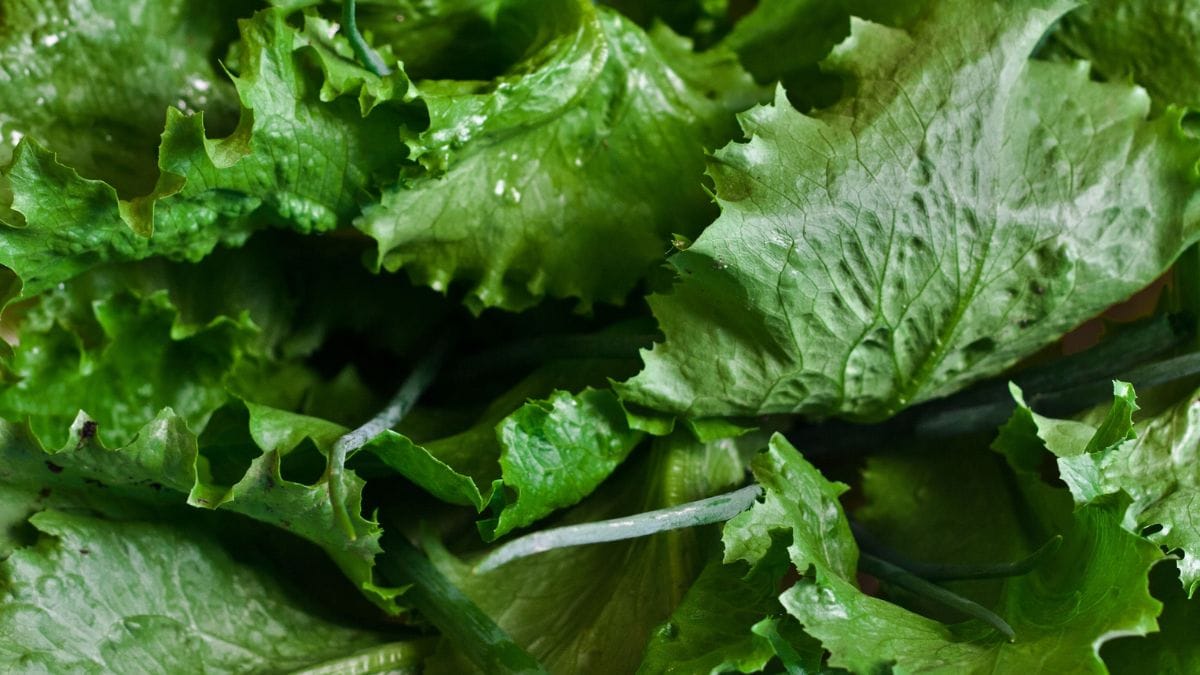
Scientists in London made special lettuce and tobacco plants that can create a protein from meat called myoglobin.
This protein is what gives meat its red color and helps it taste like meat.
The scientists took the recipe for this protein from pigs and cows and put it inside the plants.
The plants grew normally, made flowers, and created seeds just like regular plants.
Putting the recipe inside the plant's energy-making part, called the chloroplast, worked three times better than other methods.
This meat protein could one day make plant-based burgers taste more like real meat.
Raising animals for meat uses a lot of water and creates pollution that warms the planet.
Growing plants uses fewer resources and is kinder to the Earth.
Still, it will take many years before we see this in stores.

Researchers at Imperial College London engineered lettuce and tobacco plants to produce myoglobin, the iron-rich protein that gives meat its red colour and metallic taste.
The study, titled 'Sustainable production of myoglobin meat protein in plant chloroplasts', was published on 6 August in the journal Frontiers.
Inserting myoglobin genes into plant chloroplasts produced three times more protein than inserting them into the plant's nuclear genome.
Both engineered plants yielded around 800 mg of protein per kilogram, significantly lower than the 8.1 to 11.2 mg of myoglobin per gram found in real meat.
The research is at a proof-of-concept stage and is expected to take several years before reaching the market as an ingredient for plant-based meat alternatives.
- Who
- Researchers at Imperial College London, led by Dr Alexia Groff, with input from coauthor Kyoko Morimoto.
- What
- Created genetically engineered lettuce and tobacco plants that produce myoglobin, the animal protein that gives meat its colour and flavour.
- When
- The study was published on 6 August in the journal Frontiers.
- Where
- The research was conducted at Imperial College London.
- Why
- To offer a more sustainable way to produce a key ingredient for plant-based meat, reducing the environmental footprint of livestock farming.
- Study Title
- Sustainable production of myoglobin meat protein in plant chloroplasts
- Publication
- Frontiers journal, published 6 August
- Lead Researcher
- Dr Alexia Groff, Imperial College London
- Protein Yield
- About 800 mg of protein per kilogram of plant
- Chloroplast Advantage
- Three times more protein than nuclear genome insertion
- Myoglobin in Real Meat
- 8.1 to 11.2 mg per gram
- Meat Alternatives Market
- Between €6.7 billion and €8.1 billion per year
- Current Stage
- Proof of concept; several years from market
- Partial Funder
- Kyomei, a Cambridge-based plant biotechnology startup