

Archive · 17 Nov 2025
IIT Kanpur Director on India's Tech Self-Reliance and Academic Challenges
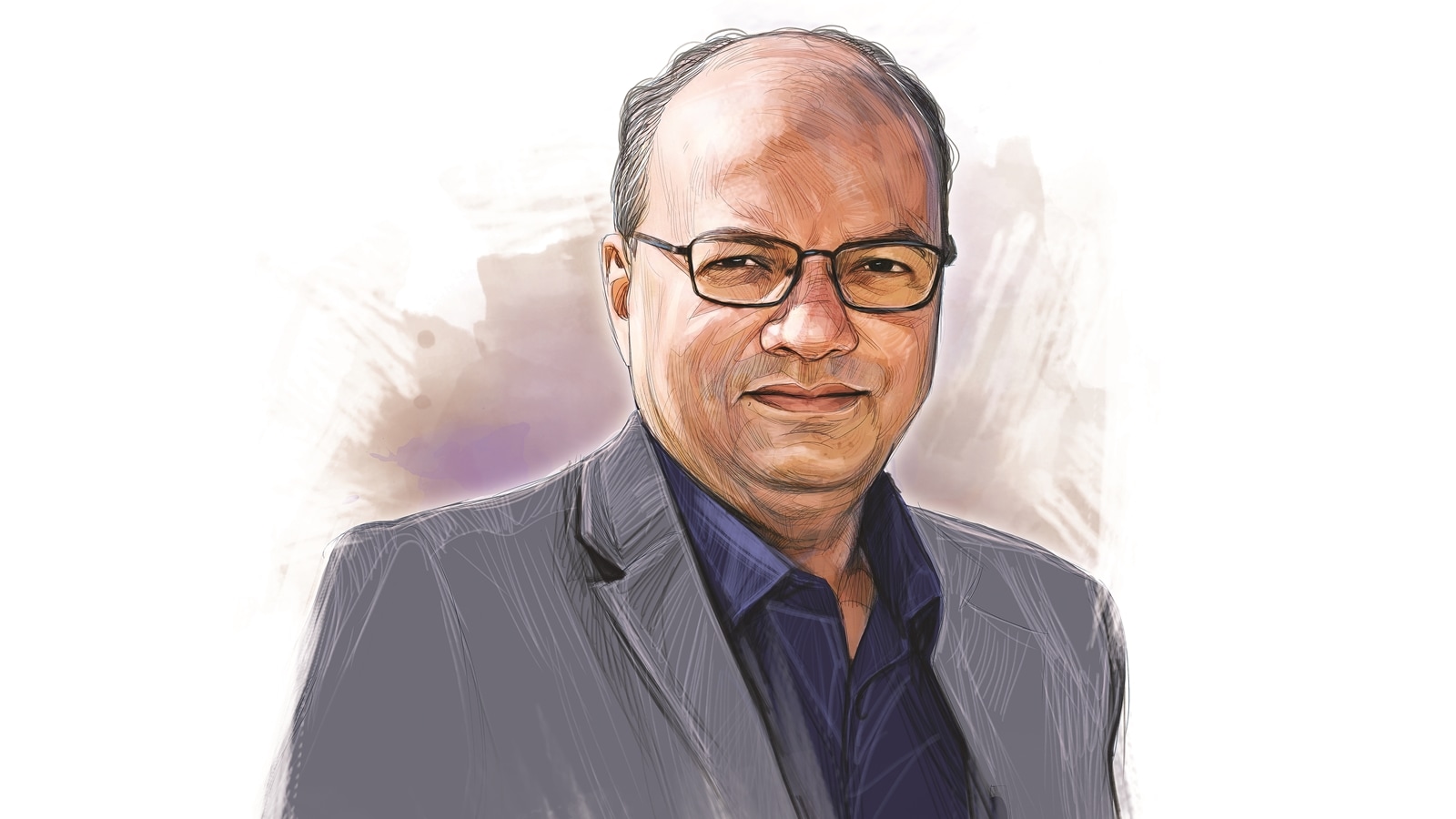
India wants to make its own important technologies, like computer programs and computer chips, instead of always buying them from other countries.
Sometimes, other countries can stop us from using technology, which is a worry.
IIT Kanpur's director, Manindra Agrawal, believes India has smart people who can create these technologies.
He also talked about cloud seeding as an experiment to understand weather better, not as a pollution fix.
He mentioned that too much focus on test-prep coaching can make it hard for students to learn how to solve problems on their own and interact with others.
He also discussed the need to attract good teachers to new universities and improve research facilities.

India aims for self-reliance in critical technologies like AI, chips, and foundational software, recognizing potential risks of external dependencies.
Cloud seeding in Delhi was conducted as a data-gathering experiment, not a permanent solution for pollution, due to low moisture content.
The current coaching system can hinder students' problem-solving skills and social development by prioritizing test tricks over deep understanding.
Challenges exist in retaining foreign faculty and attracting Indian talent from abroad due to issues with non-performance and inadequate facilities.
IIT Kanpur has incubated over 500 startups, with about 50 faculty members initiating their own ventures, indicating a growing entrepreneurial spirit.
- Who
- Manindra Agrawal, Director of IIT Kanpur
- What
- Discussed India's drive for technological self-reliance, the systematic issues within the coaching industry, and the challenges and opportunities within the academic and research ecosystem.
- When
- During an Idea Exchange session moderated by Deputy Editor Amitabh Sinha.
- Where
- IIT Kanpur
- Why
- To provide insights on India's technological future, the impact of systemic flaws on student development, and the state of research and academia in the country.
Pro-Coaching
Anti-Coaching
Impact of Coaching on Student Development
Pro-Coaching
Coaching institutes teach students tricks to produce correct solutions, which can be effective for exam preparation.
Anti-Coaching
Coaching institutes teach tricks rather than fundamental problem-solving, leading to underdeveloped abilities in students upon entering higher education and causing behavioral challenges like poor social interaction and difficulty managing difficult situations.
Need for More Higher Education Institutions
Pro-Coaching
Given the large demand, there is a need for more high-quality institutions to accommodate students.
Anti-Coaching
While more institutions are needed, the primary challenge is attracting and retaining the right faculty to establish the correct culture and processes, especially for newer IITs.
- Key technology areas for Indian leadership
- Foundational software (OS, email, browser), chip design and manufacturing, space, AI, cybersecurity, healthcare devices, and medicines
- IIT Kanpur incubator startups
- Over 500 since inception
- IIT faculty startups
- Around 50 out of 570 faculty members have started their own companies
- Number of IITs
- 23 IITs, categorized into three generations
- Cloud seeding experiment conditions
- Conducted with cloud moisture content below 15%, acknowledging it was unlikely to rain, as an experiment to collect data