

Archive · 29 Jul 2026
Trump's 4-year visa cap may cost US economy billions
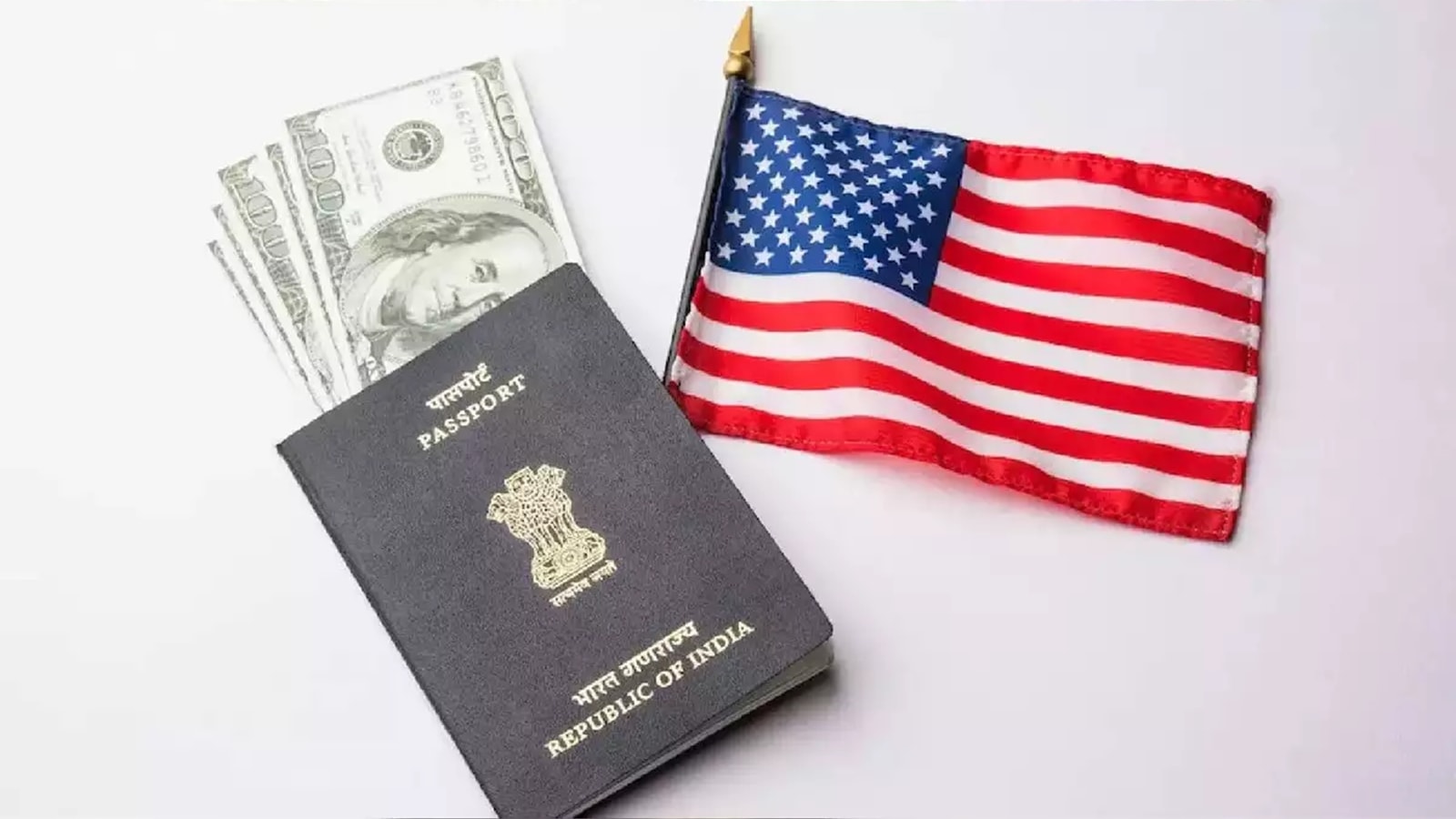
The US government has introduced new rules that limit international students to stay in the country for only four years.
This change is expected to cost the US economy a lot of money, between $200 billion and $400 billion, according to a study.
The new rules will automatically apply to students, and they will need to ask for an extension if they need more time to finish their studies.
Additionally, many students will not be allowed to stay and work in the US after they graduate.
This could lead to delays and difficulties for students trying to complete their courses.

New visa rules cap international students' stay in the US at 4 years.
Students will automatically transition to the new system and face fixed admission deadlines.
Many students will not be allowed to stay and work after graduation.
The new rules could cost the US economy between $200 billion and $400 billion.
The study highlighting the economic impact is from the Peterson Institute for International Economics.
- Who
- International students in the US
- What
- New visa rules capping stay at 4 years
- When
- Implementation details not specified
- Where
- United States
- Why
- To limit the stay of international students and reduce the number of international students in the US
Economic Impact
Immigration Policy
Economic Consequences
Economic Impact
The new visa rules could cost the US economy between $200 billion and $400 billion, according to a study by the Peterson Institute for International Economics.
Immigration Policy
The Trump administration aims to limit the stay of international students to four years, which may reduce the number of international students in the US.
- Visa Types
- F-1 (academic programs), M-1 (vocational programs)
- Maximum Stay
- 4 years
- Economic Impact
- $200 billion to $400 billion
- Study Source
- Peterson Institute for International Economics
- Visa Transition
- Automatic transition to new system