

Archive · 29 Nov 2025
Supreme Court Examines Plea to Ban Female Genital Mutilation
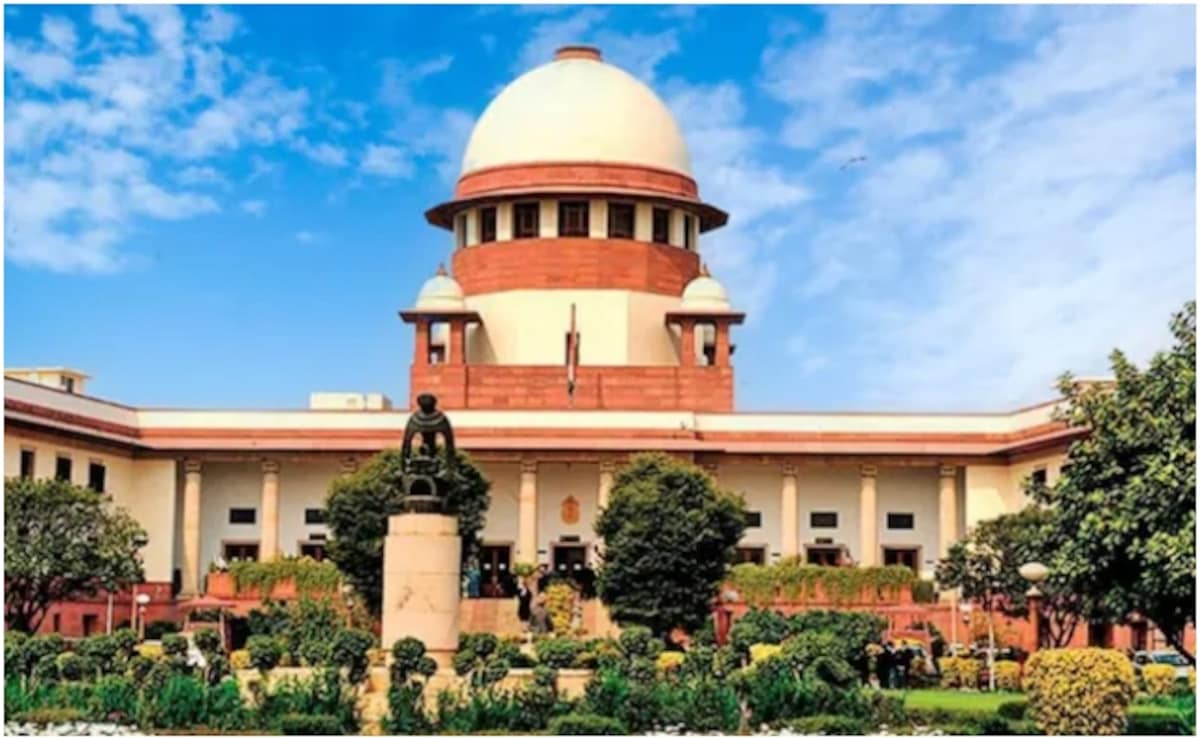
The Supreme Court of India is looking into a request to stop a practice called Female Genital Mutilation (FGM).
This practice is done by some Muslim groups, especially the Dawoodi Bohra community.
An organization called Chetna Welfare Society asked the court to ban it because they say it hurts children and is not part of Islam.
The court has asked the government to respond.
The practice is said to cause health problems and is considered a violation of human rights by the World Health Organization.
The court will decide if it should be banned.

Supreme Court agreed to examine a plea to ban Female Genital Mutilation (FGM) among Muslims, especially the Dawoodi Bohra community.
NGO Chetna Welfare Society filed the plea, arguing that FGM is not an essential part of Islam and violates children's rights.
The court issued notices to the Centre and others, with Justices B V Nagarathna and R Mahadevan presiding.
The plea claims FGM falls under multiple offences relating to causing hurt under the BNS and violates the POCSO Act.
FGM is classified by the World Health Organisation as a gross violation of the human rights of girls and women, with serious health concerns.
- Who
- Supreme Court of India, NGO Chetna Welfare Society, Dawoodi Bohra community
- What
- Plea to ban Female Genital Mutilation (FGM)
- When
- Friday (specific date not mentioned)
- Where
- India
- Why
- To examine the legality and human rights violations of FGM
- Practice
- Female Genital Mutilation (FGM) or Female Circumcision
- Community
- Dawoodi Bohra
- Petitioner
- NGO Chetna Welfare Society
- Court
- Supreme Court of India
- Justices
- B V Nagarathna and R Mahadevan
- Legal Basis
- Sections 113, 118(1), 118(2), 118(3) of BNS, POCSO Act
- Health Concerns
- Infections, childbirth problems, severe physical impairments
- Human Rights Violation
- Classified by WHO as a gross violation of human rights