

Archive · 23 Jul 2026
US Tech CEOs Back Chinese Open-Weight AI Models
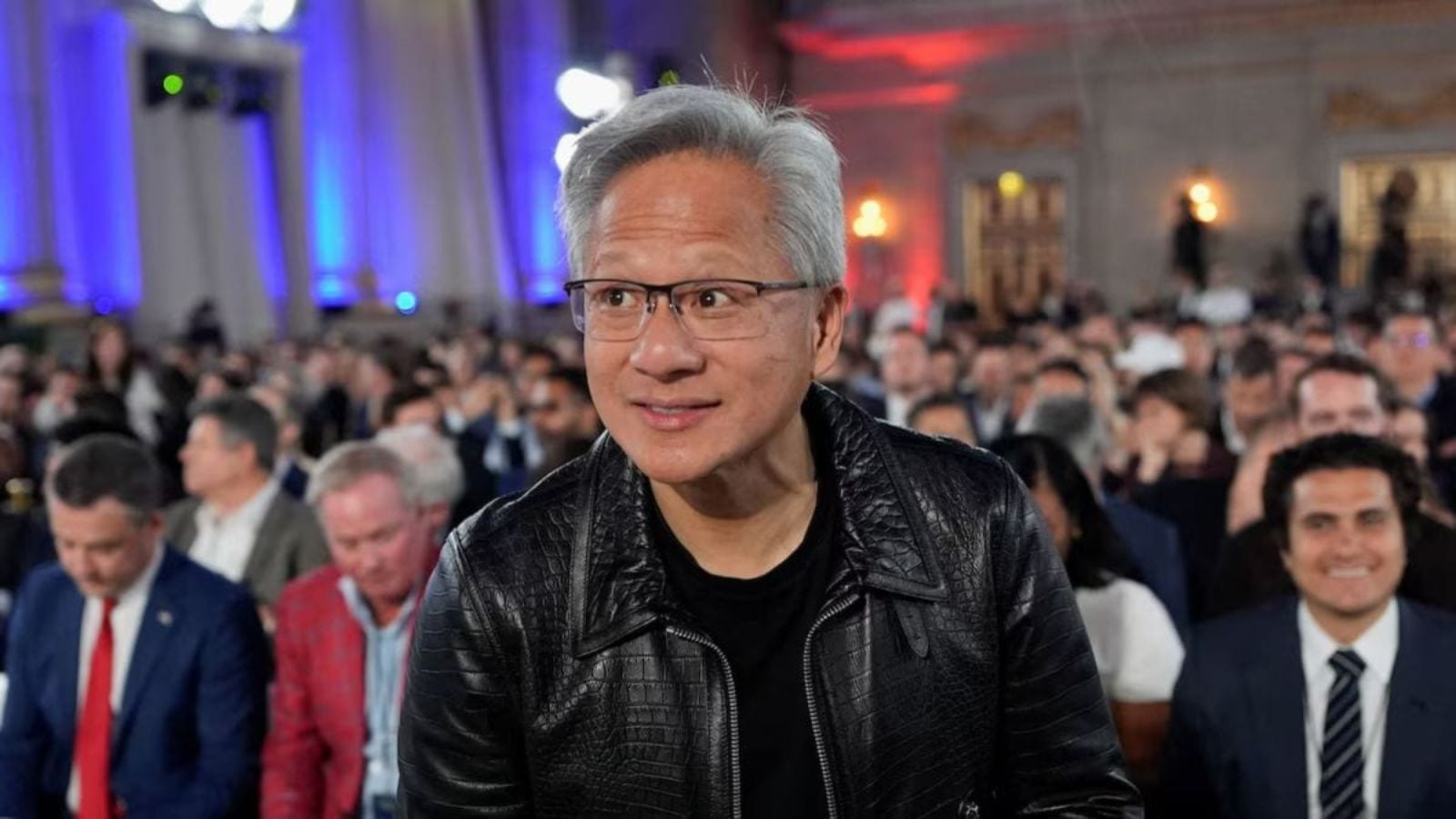
Some big tech leaders in the US are saying that AI models from China, which anyone can use and change, are really good.
They think these models should be freely available because they help more people use AI and make companies like Nvidia sell more computer parts.
But the US government is worried that these Chinese models might steal American technology and cause security problems.
Some people say that the rules on American AI models are too strict and make them less competitive.
There's a debate about whether these open models are safe and if they should be used more widely.

US tech CEOs, including Nvidia's Jensen Huang, support Chinese open-weight AI models for broader adoption and increased demand for hardware.
The Trump administration accuses Chinese startup Moonshot AI of stealing US technology to develop its open-weight AI model, Kimi K3.
Chinese open-weight AI models are challenging US models on performance and cost, with significant enterprise usage via platforms like OpenRouter.
Nvidia CEO Jensen Huang dismisses security concerns, stating that open-source models can be customized and run in secure environments.
Silicon Valley investor David Sacks criticizes restrictive guardrails on US-developed AI models, arguing they make American models less competitive.
- Who
- US tech CEOs, including Nvidia's Jensen Huang, Coinbase's Brian Armstrong, Airbnb's Brian Chesky, OpenAI's Greg Brockman, and investor David Sacks
- What
- Support for Chinese open-weight AI models and concerns over US government restrictions
- When
- Recent remarks and actions in July 2026
- Where
- United States and China
- Why
- To drive broader adoption of AI, increase demand for hardware and data centers, and address concerns over security and competitive advantage
Proponents of Open-Weight AI Models
US Government and Security Concerns
Benefits of Open-Weight AI Models
Proponents of Open-Weight AI Models
Open-weight AI models are excellent and should be freely used, as they drive broader adoption and demand for hardware and data centers.
US Government and Security Concerns
Chinese open-weight AI models pose security threats and may steal proprietary US technology.
Security and Customization
Proponents of Open-Weight AI Models
Open-source models can be customized and run in secure environments, making AI more secure as researchers can inspect and identify weaknesses.
US Government and Security Concerns
The US government is considering adding Moonshot AI to a trade blacklist and imposing sanctions due to concerns over technology theft.
Competitive Advantage
Proponents of Open-Weight AI Models
Chinese open-weight AI models are challenging US models on performance and cost, with significant enterprise usage via platforms like OpenRouter.
US Government and Security Concerns
US-developed frontier AI models are held back by overly restrictive guardrails, making them less competitive.
- Nvidia CEO
- Jensen Huang
- Trump Administration Official
- Michael Kratsios
- US Treasury Secretary
- Scott Bessent
- Chinese AI Model
- Kimi K3
- Pricing of Kimi K3
- $3 per million input tokens, $15 per million output tokens
- US Enterprise Usage
- 30-46% of enterprise token usage on Chinese open-weight AI models
- OpenAI President
- Greg Brockman
- Silicon Valley Investor
- David Sacks