Archive · 17 Sep 2026
US House Passes Bill Allowing 100% Tariffs Over Russian Oil
The US Congress passed a bill about countries that buy Russian oil and gas.
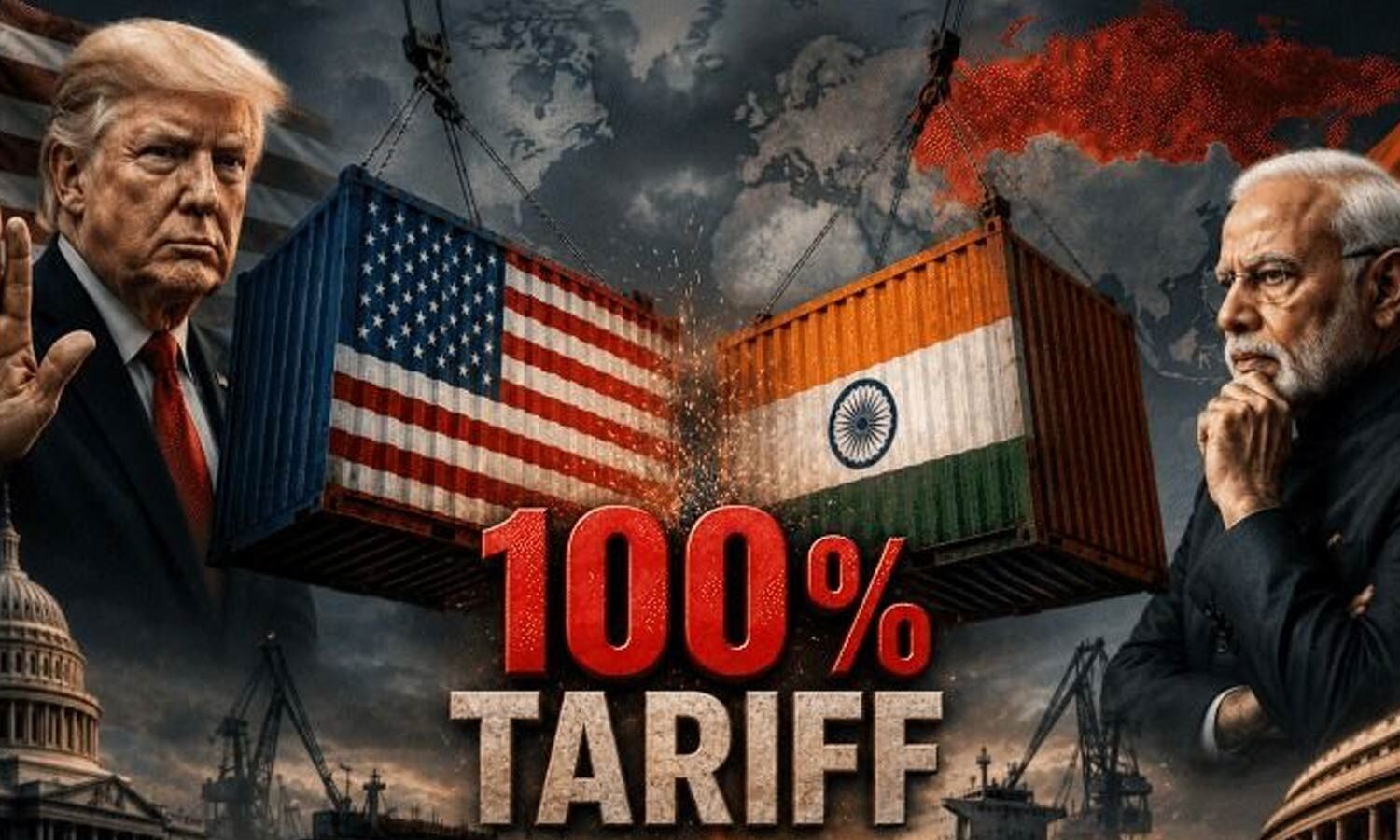
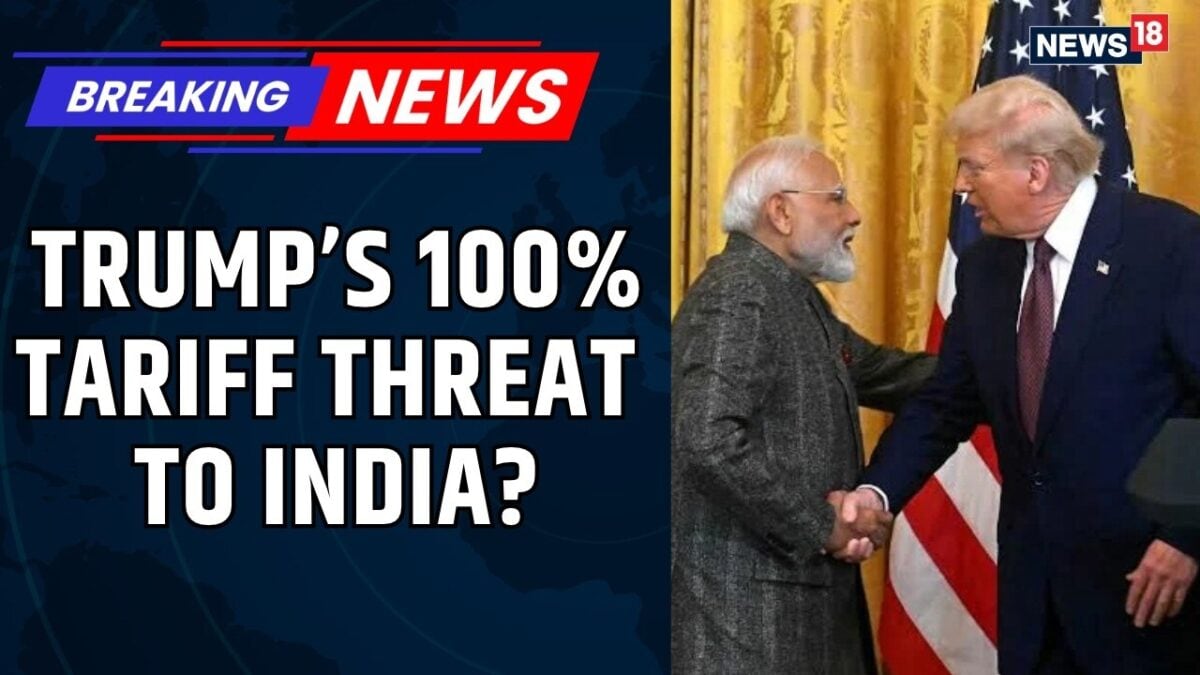
It could allow President Donald Trump to place tariffs as high as 100% on goods from some of those countries.
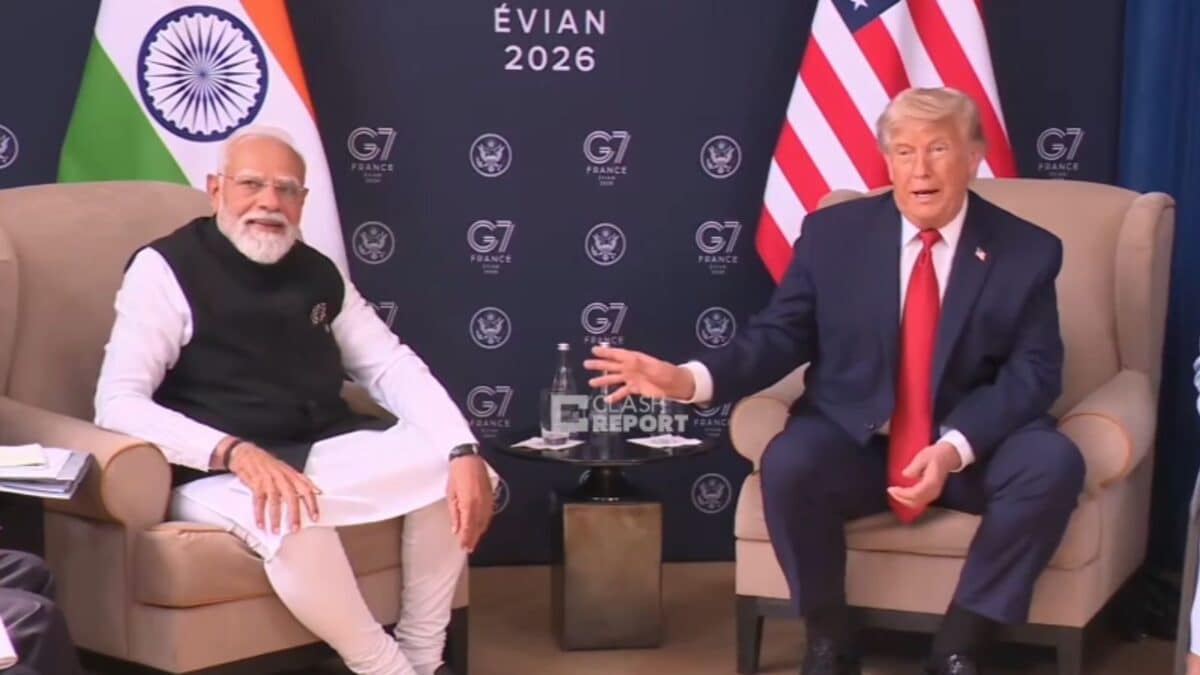
India and China could be affected, but India would not automatically receive a 100% tariff.
Trump would have to decide whether to use the power and what tariff rate to set.
The bill says the rules could cover some of the biggest buyers of Russian energy or countries helping Russia avoid sanctions.
The US says buying Russian energy helps provide money for Russia’s war against Ukraine.
India says it buys oil based on price, reliable supplies, and other business reasons.
The Senate already approved the bill, and it was sent to Trump after the House vote.

The House passed the Lindsey O. Graham Sanctioning Russia and Iran Act of 2026 by 262-159.
The bill would let President Donald Trump impose tariffs of up to 100% on qualifying Russian oil and gas buyers, including potentially India and China.
The Senate approved the legislation 86-11 on August 7, and the bill was sent to Trump for his assent.
The tariffs would be discretionary and could apply to major Russian energy importers or countries helping Russia evade oil-related sanctions.
India says its energy purchases are based on commercial viability, stable prices, and secure supplies as trade negotiations with Washington continue.
- Who
- The US House and Senate, President Donald Trump, and countries including India and China that buy Russian oil or gas.
- What
- Congress passed legislation authorizing potential tariffs of up to 100% on qualifying Russian energy buyers and sanctions evaders.
- When
- The House passed the bill on Wednesday, September 16, 2026, after a procedural vote of 214-211 on Tuesday; the Senate passed it on August 7.
- Where
- The legislation passed in the United States Congress and was sent to the White House.
- Why
- US officials say pressure on Russian energy buyers could reduce Moscow’s revenues and support for its war against Ukraine.
Supporters of the legislation
Critics and affected countries
Pressure on Russia
Supporters of the legislation
Supporters say tariffs on major Russian energy buyers could reduce Moscow’s energy revenues and pressure countries to limit purchases that help sustain Russia’s war effort.
Critics and affected countries
India maintains that its crude-buying decisions are based primarily on commercial viability, stable energy prices, and secure supplies.
Presidential tariff authority
Supporters of the legislation
Republican supporters argue that broad tariff authority would give Washington leverage over countries buying Russian energy or helping Russia evade sanctions.
Critics and affected countries
Several senior Democrats, including House Democratic Leader Hakeem Jeffries, argued that the bill gives the president excessive discretion to impose sweeping tariffs on trading partners, including allies.
Effect on India-US trade
Supporters of the legislation
Supporters say the legislation creates pressure to reduce Russian oil purchases while preserving the option of targeted action against qualifying countries.
Critics and affected countries
Critics and Indian officials face concerns that higher US duties could hurt Indian exporters and complicate ongoing negotiations over a broader India-US trade deal.
- Legislation
- Lindsey O. Graham Sanctioning Russia and Iran Act of 2026
- House final vote
- 262-159
- House procedural vote
- 214-211
- Senate vote
- 86-11 on August 7
- Maximum tariff
- Up to 100% on goods from qualifying countries
- Potentially affected countries
- India, China, and other major Russian oil and gas buyers
- Eligibility criteria
- Countries could be targeted if they knowingly continue buying Russian energy or help Russia evade oil-related sanctions.
- Current status
- The bill was sent to President Donald Trump for his assent; the articles do not state that he has signed it.