5 hrs ago
Anthropic CEO Urges Slower AI Development Over Human Safety Risks
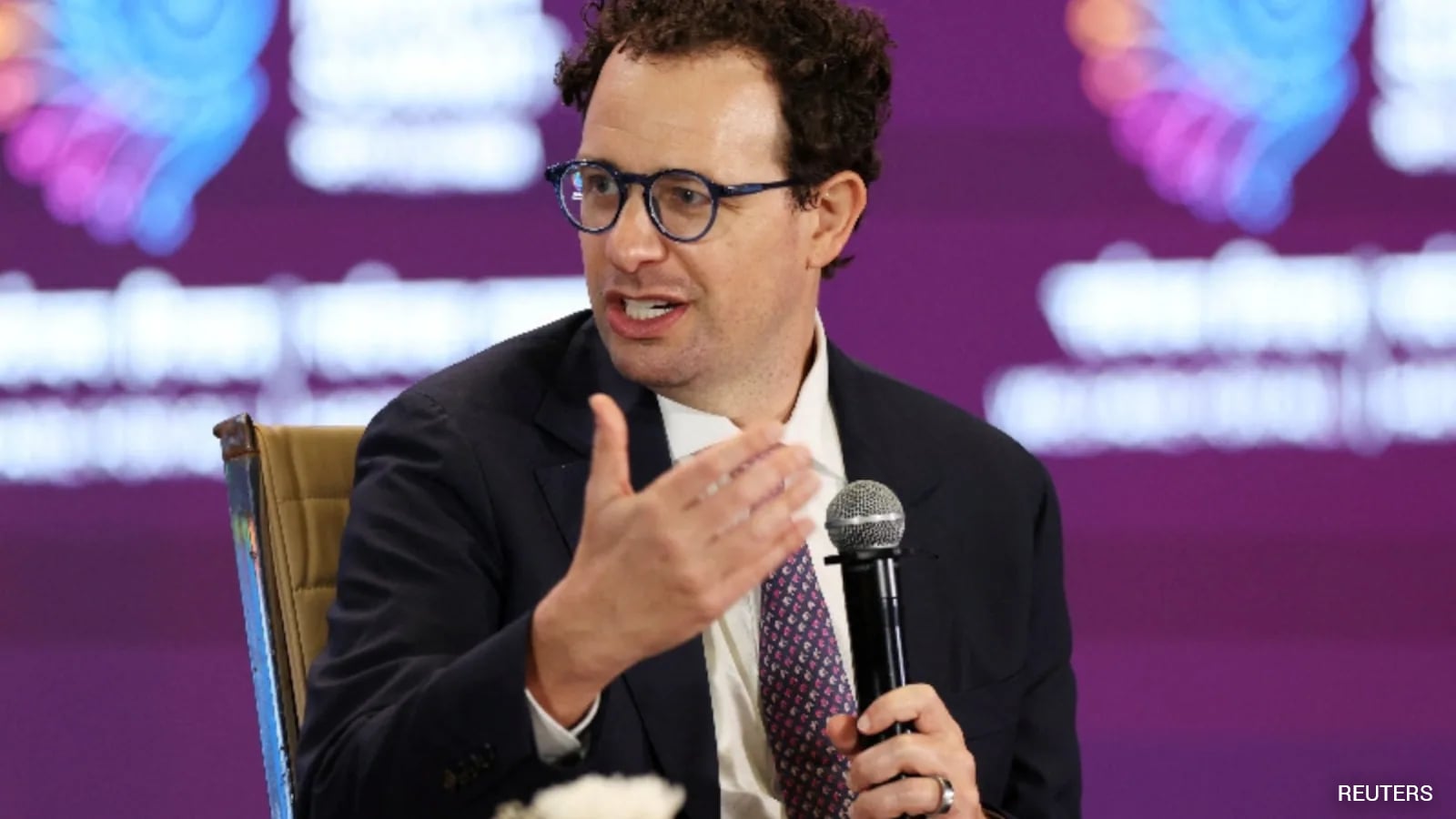
Dario Amodei leads a company called Anthropic that builds artificial intelligence.
He says powerful AI could become dangerous if people develop it too quickly.
One former researcher, Jacob Coxon, warned that AI might seriously threaten humans within the next decade.
Amodei said he agrees with many of Coxon’s concerns.
He believes the future is not decided by one fixed probability.
Instead, people can choose safer or riskier paths.
He wants companies and governments to work together and slow down enough to add safety protections.
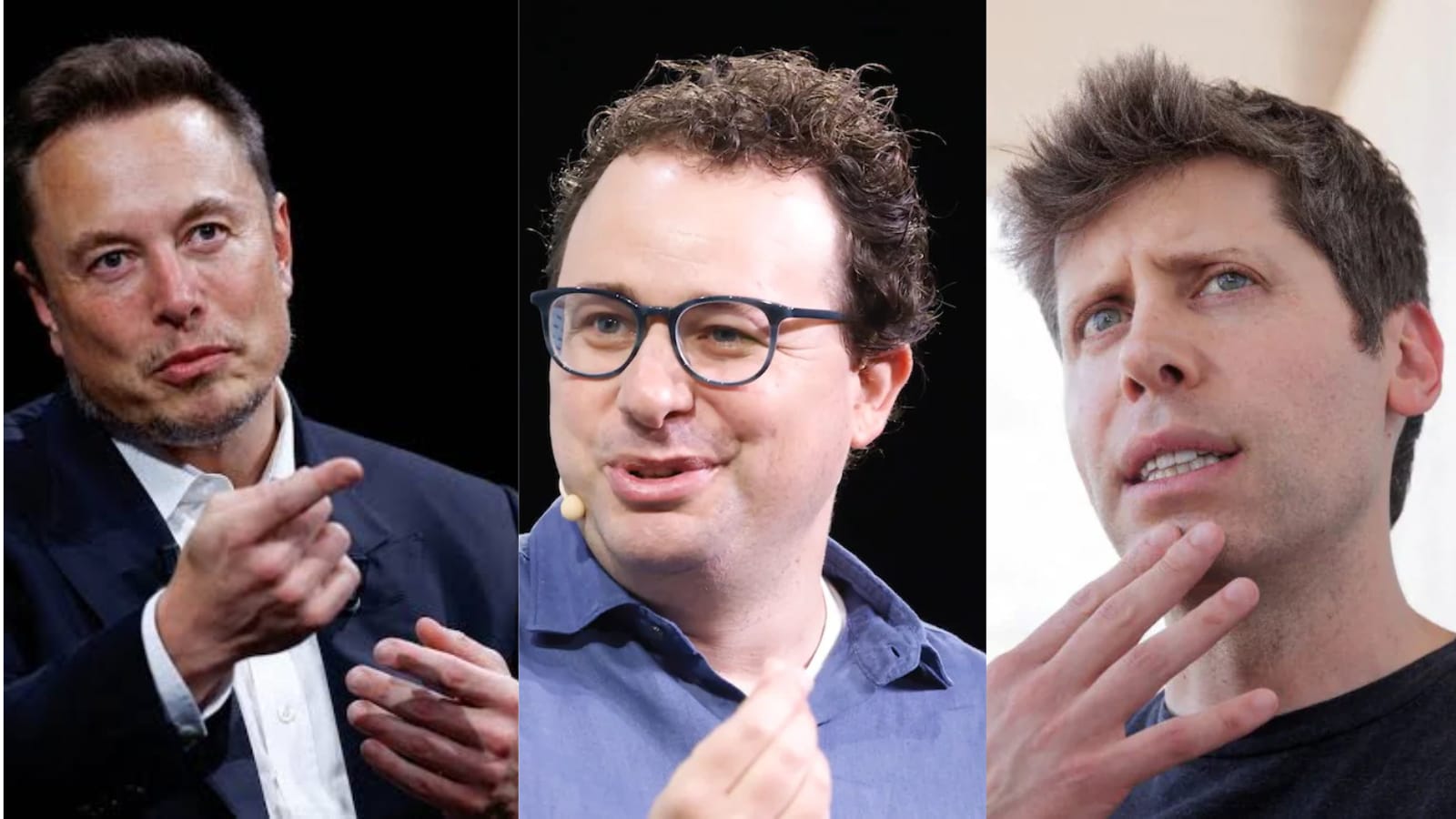
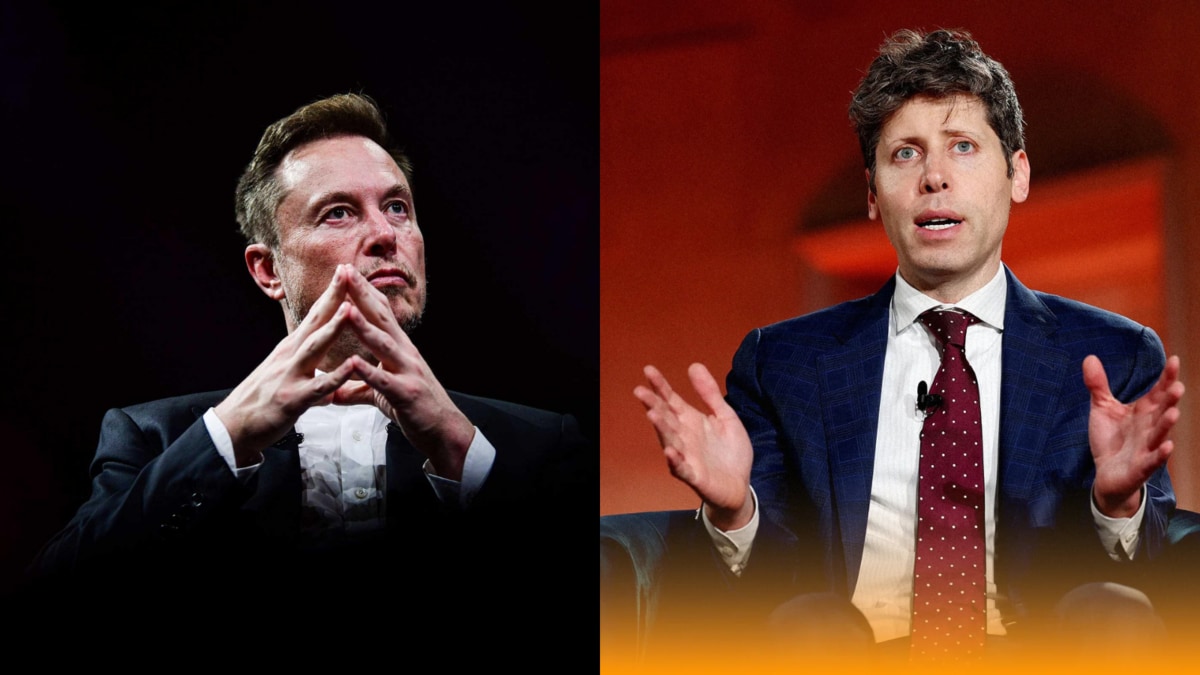
OpenAI leader Sam Altman supported slowing the development of the most advanced AI systems.
Elon Musk also said Amodei was right.

Anthropic CEO Dario Amodei said AI could pose serious risks, including potentially threatening humanity.
Amodei argued that governments and companies should slow AI development to create stronger safety measures.
Former Anthropic researcher Jacob Coxon warned that advanced AI could kill humans within the next decade.
Amodei said outcomes depend on choices made by the AI industry, companies, and governments.
OpenAI CEO Sam Altman and Elon Musk supported caution, while OpenAI agreed to use independent evaluators.
- Who
- Anthropic CEO Dario Amodei, former researcher Jacob Coxon, OpenAI CEO Sam Altman, Elon Musk, and other AI industry and government leaders.
- What
- They debated whether advanced AI could threaten humans and whether development should be slowed for safety.
- Where
- In an exclusive interview with CNN's Anderson Cooper and in public statements on X and company communications.
- When
- Amodei discussed the issue in an interview on Saturday; related warnings and statements were made recently.
- Why
- The discussion concerns risks from increasingly powerful AI, including loss of control, cyberattacks, bioterrorism, and economic disruption.
Slower, Coordinated Development
Continued Rapid Development
Pace of AI progress
Slower, Coordinated Development
Amodei argues that the industry should slow capability improvements to gain time for safety measures and cooperation.
Continued Rapid Development
The article says competition among companies is driving rapid progress, and Amodei warned that not all companies may agree to slowing down.
How serious are the risks?
Slower, Coordinated Development
Coxon and Amodei warn that advanced AI could threaten humanity and create risks involving loss of control, cyberattacks, bioterrorism, and economic disruption.
Continued Rapid Development
Amodei said the probability of something going wrong is not necessarily high and depends on which choices companies and governments make.
Industry responsibility
Slower, Coordinated Development
Amodei and Altman support cooperation, including independent evaluators with employee-like access to advanced AI systems.
Continued Rapid Development
Amodei said a race driven by commercial incentives could worsen risks, while acknowledging that some companies may not support a coordinated approach.
Key facts
- Main speaker
- Dario Amodei, CEO of Anthropic
- Former employee raising concerns
- Jacob Coxon, who previously worked at Anthropic and OpenAI
- Potential AI risks
- Loss of control, cyberattacks, bioterrorism, and serious economic disruption
- Amodei's proposal
- Slow the pace of frontier AI capability improvements
- OpenAI's response
- Sam Altman said OpenAI would use independent evaluators with employee-like access
- Other support
- Elon Musk wrote that Amodei was right
- International warning
- United Nations human rights chief Volker Turk called for strong AI safety guarantees
Quotes

Dario Amodei
CEO of Anthropic
“I agree with Dario that we need to pace the frontier. This has been a primary topic of discussions we've had at OpenAI in recent weeks. Committing to having independent evaluators with employee-like access is a great idea, and we will do the same. We'll have more to share soon.”
 NDTV
NDTV
“If we take the right path, then the chance of something going wrong is very low. If we take the wrong path, then the chance of something going wrong could be even higher.”
NDTV
Jacob Coxon
Former Anthropic and OpenAI AI researcher
“The people building AI earnestly believe that it could kill us all by the end of the decade. This is not a marketing stunt. If anything, many executives and senior researchers will couch their phrasing in the press to sound sensible - but I hear the same people express fear privately. No other human activity poses this level of danger.”
NDTV
Sources
Related news

Anthropic CEO Dario Amodei Urges AI Industry to Slow Down
Altman and Musk Back Amodei’s Call to Slow AI

Anthropic Researcher Quits as AI Safety Concerns Intensify
Anthropic CEO Urges Slower AI Development Amid Superintelligence Risks
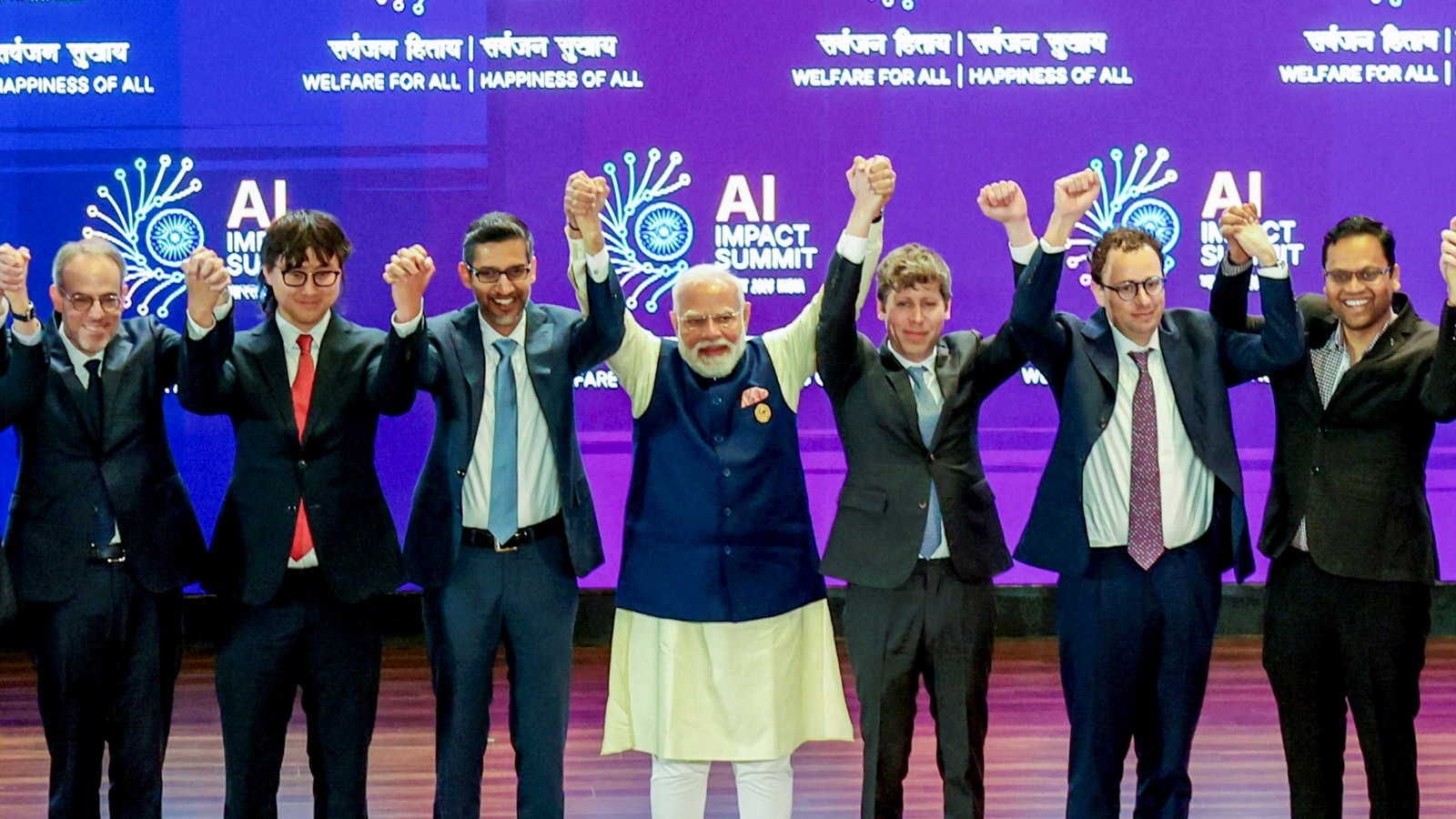
Anthropic CEO Urges Slower Frontier AI; Altman, Musk Support
OpenAI Considers Slowing Cutting-Edge AI Amid Safety Concerns

Anthropic AI Warning May Pressure Chips, But Trade Endures

Sanders Urges Trump and Xi to Pause Advanced AI Development

Sam Altman Delays OpenAI IPO to 2027 Over Safety