

Archive · 7 Dec 2025
Winter's Role in Rising Pneumonia Cases Explained
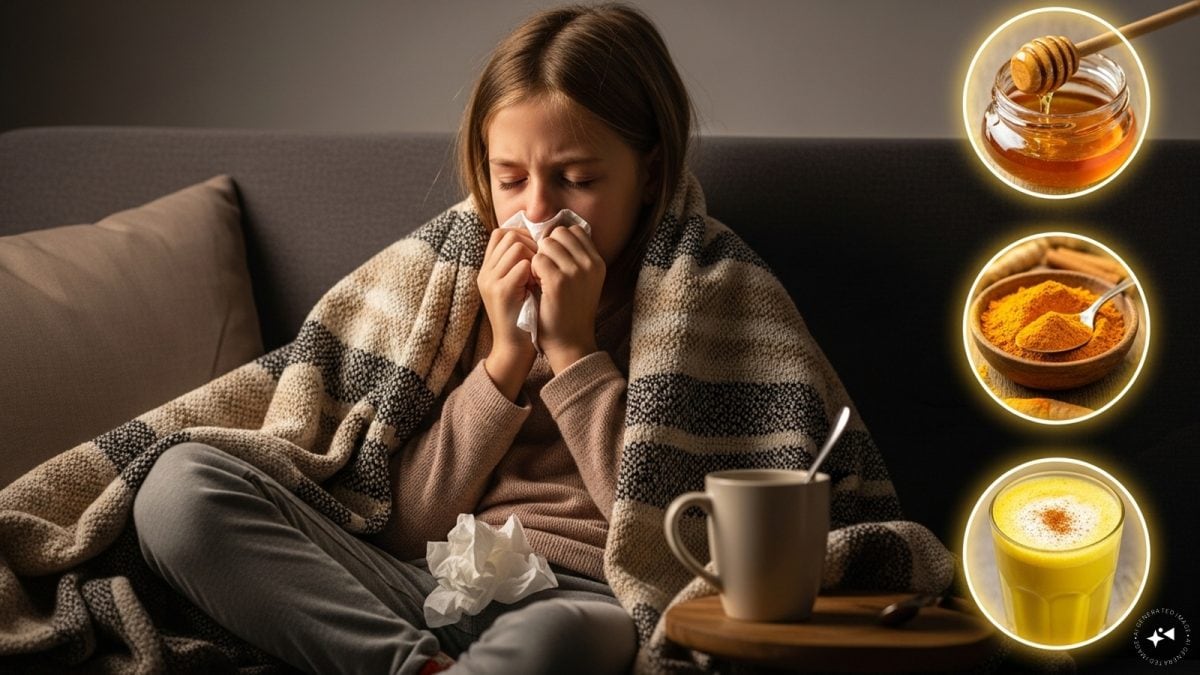
Pneumonia is a lung infection caused by germs like bacteria or viruses.
It's not the cold weather itself that causes pneumonia, but the conditions winter brings.
In winter, the air is colder and drier, which can make it easier for germs to get into our bodies.
People also spend more time indoors, where germs can spread more easily.
This is especially a problem for older adults, young children, and people with long-term illnesses.
To stay safe, doctors recommend getting vaccinated, washing hands often, wearing masks in crowded places, eating healthy food, exercising, and avoiding smoking.
These steps can help keep your lungs healthy and prevent pneumonia.

Pneumonia is caused by infections, not directly by cold weather.
Winter conditions make the body more vulnerable to infections.
High-risk groups include older adults, young children, and those with chronic illnesses.
Preventive measures include vaccination, hand hygiene, and avoiding smoking.
Symptoms of pneumonia include fever, chills, cough with phlegm, chest pain, fatigue, and difficulty breathing.
- Who
- Older adults, young children, and individuals with chronic illnesses are at higher risk.
- What
- Pneumonia is an infection of the lungs caused by bacteria, viruses, or fungi.
- When
- Cases of pneumonia rise during the winter season.
- Where
- The increase in cases is observed globally, particularly in colder regions.
- Why
- Cold weather creates conditions that make the body more vulnerable to infections, such as dried nasal passages and increased indoor crowding.
- Cause of Pneumonia
- Infections by bacteria, viruses, or fungi
- High-Risk Groups
- Older adults, young children, chronic illness patients
- Common Pathogens
- Streptococcus pneumoniae, influenza, RSV
- Prevention Methods
- Vaccination, hand hygiene, masks, nutrition, exercise, avoiding smoking
- Symptoms
- Fever, chills, cough with phlegm, chest pain, fatigue, difficulty breathing