Archive · 29 Oct 2025
Trump and Takaichi Ink Rare Earth Minerals Deal, Reiterate Trade Commitments
Imagine two friends, the US and Japan, made a new agreement.
They signed a deal to work together on special minerals called rare earths.
They also promised to stick to old agreements they had.
One important agreement is about cars; now, cars from Japan going to the US will have a lower tax, called a tariff.
This might make Japanese cars sell better in America.
But, some American car companies are worried this isn't fair.
Japan also promised to spend a lot of money in the US, helping American businesses.
This meeting is part of President Trump's trip around Asia.

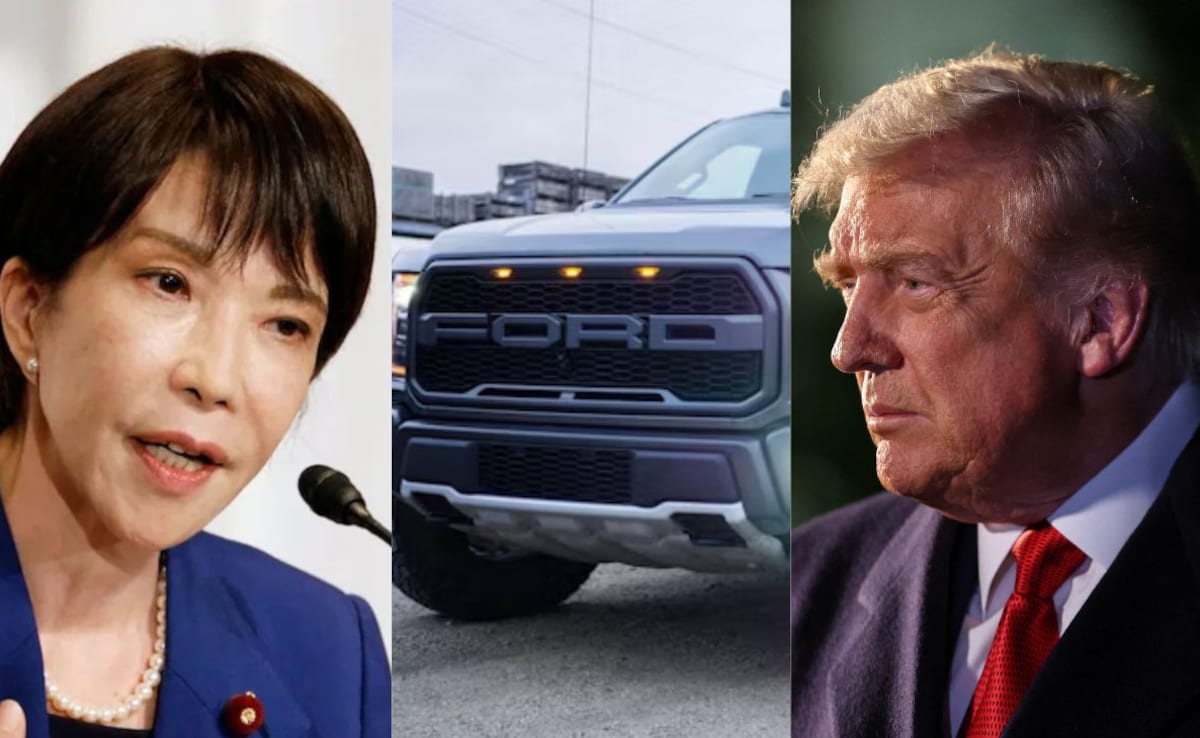
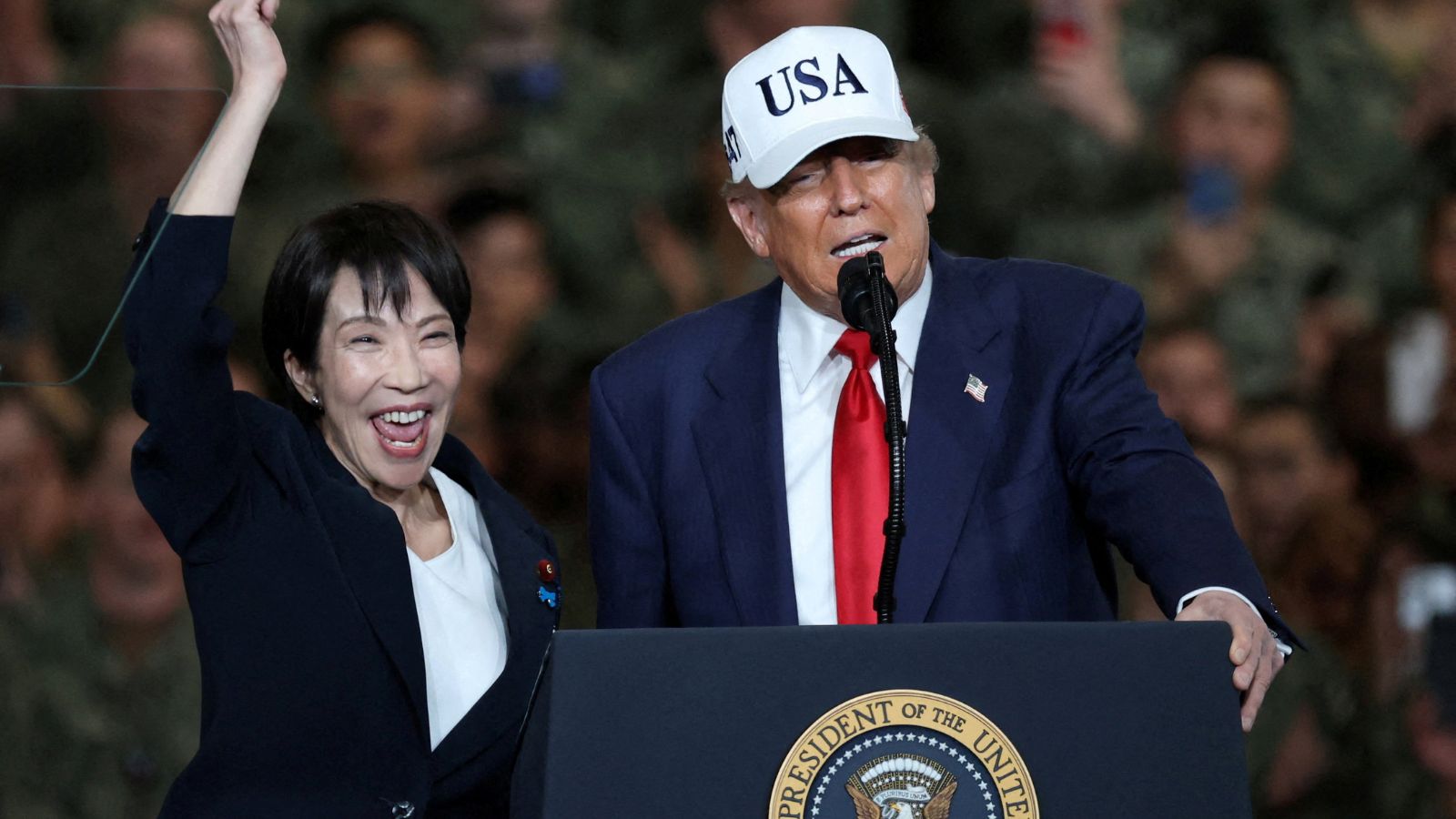
US President Donald Trump met with Japanese Prime Minister Sanae Takaichi in Tokyo.
The leaders signed a new deal on rare earth minerals and reaffirmed existing agreements.
A key trade aspect involves a 15% tariff on Japanese cars entering the US, benefiting Japanese automakers.
US automakers expressed concern over the perceived tariff advantage for Japanese cars.
Japan pledged $550 billion in investments in the US and agreed to hike its defense budget.
- Who
- US President Donald Trump and Japanese Prime Minister Sanae Takaichi
- What
- Signed a deal on rare earth minerals and reiterated commitments to existing trade agreements, including a reduced tariff on Japanese cars.
- When
- Tuesday
- Where
- Tokyo, Japan
- Why
- To foster a 'golden age' of US-Japan relations, address trade imbalances, and secure US backing against China.
US Automakers
Japanese Automakers
Tariff Impact on Auto Industry
US Automakers
US automakers like GM, Ford, and Stellantis protest the deal, believing Japanese cars now have a clear tariff advantage in the US market.
Japanese Automakers
Japanese automakers will face a 15% tariff on cars entering the US, which is less than the global tariff imposed by the US, potentially making their vehicles more competitive.
Trade Imbalance and Competitiveness
US Automakers
The US has a substantial trade deficit with Japan, particularly in the auto sector, and American automakers face higher tariffs importing from Canada and Mexico.
Japanese Automakers
Japanese cars entering the US pay 15% tariff, while American car makers pay 25% tariff to import cars and parts from Canada and Mexico, creating a comparative advantage for Japanese vehicles.
- New Deal Signed
- US-Japan bilateral summit resulted in a new deal on rare earth minerals and a reiterated commitment to existing pacts, including a 15% tariff deal.
- Japanese Prime Minister
- Sanae Takaichi
- US President
- Donald Trump
- Rare Earth Minerals Deal
- Inked during the bilateral summit.
- Automotive Tariffs
- Japanese cars to face 15% tariff entering the US, down from previous threats.
- Japanese Investment Pledge
- $550 billion in American sectors like pharmaceuticals and semiconductors.
- Japanese Defense Budget Goal
- Hike to 2% by the end of the fiscal year.