

Archive · 18 Sep 2025
Nasa: Sun's Activity Unexpectedly Increases Since 2008
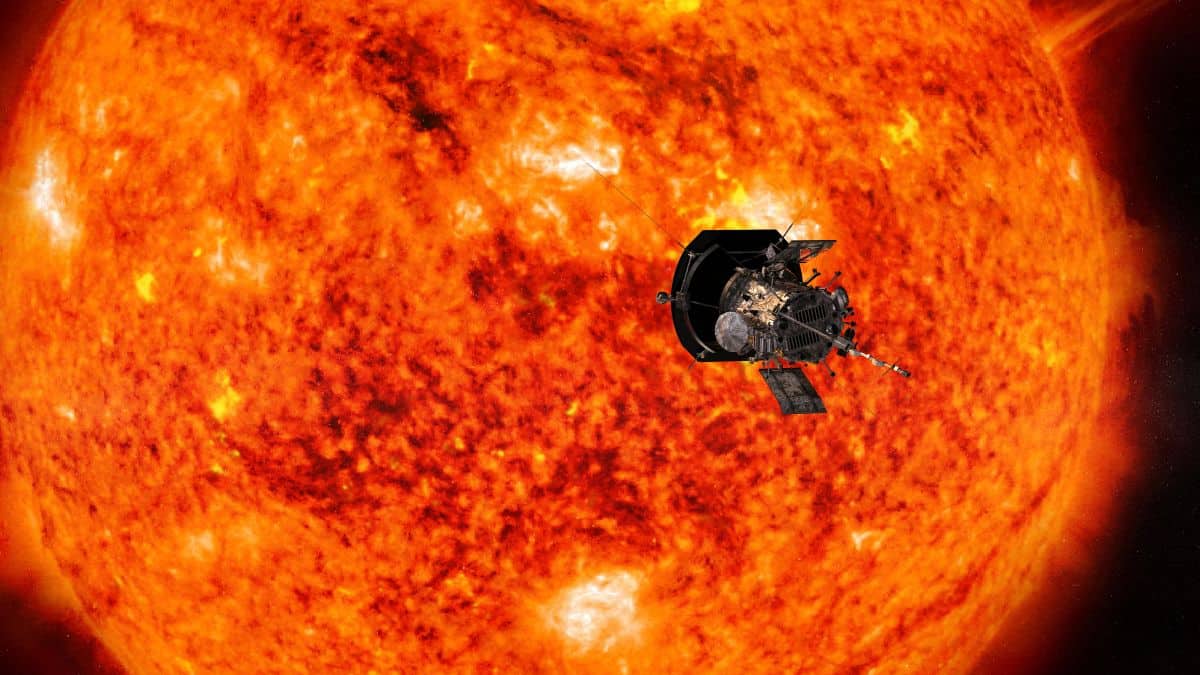
Imagine the Sun as a giant lightbulb that sometimes shines brighter and sometimes dimmer.
Scientists thought the Sun was going to become less active, like it did a long time ago.
But, surprise!
Since 2008, the Sun has been getting more active.
This means more solar winds and storms, which can mess with things like satellites and power grids here on Earth.
Nasa is sending up new tools to watch the Sun closely and understand what's happening, which is very important for future space trips, especially to the Moon and Mars.
Scientists are also looking at data from old missions to help figure out how the Sun works and what it might do in the future.

Nasa research reveals an unexpected increase in solar activity starting in 2008.
Scientists previously believed the Sun was entering a period of reduced activity.
Increased activity has led to stronger solar winds and more frequent solar storms.
This shift challenges previous assumptions about the Sun's behavior.
Increased solar activity poses risks to technology, astronauts, and power grids.
- Who
- Nasa scientists
- What
- The sun's activity has been steadily increasing since 2008
- When
- Since 2008
- Where
- The Sun
- Why
- The Sun's behavior is more complex than previously thought; increasing activity could affect Earth and space missions.
- Key Finding
- Sun's activity, solar winds, and solar storms have increased since 2008, reversing a decades-long decline.
- Solar Cycles
- The sun follows an approximately 11-year cycle of activity.
- Data Source
- Data from Nasa spacecraft (ACE, Wind mission) and OMNIWeb Plus platform.
- Solar Events
- Increased activity can disrupt communication, damage satellites, cause GPS errors, and impact power grids.
- Upcoming Missions
- IMAP, Carruthers Geocorona Observatory, and NOAA's SWFO-L1 will launch to improve observations and forecasting.
- Historical Context
- The Maunder and Dalton Minimums represent past periods of low solar activity.