Archive · 6 Sep 2026
Kolkata Restaurateurs Support Food Safety Checks, Seek Fair Enforcement
Food officials are checking restaurants in Bengal to see whether food is stored and prepared safely.
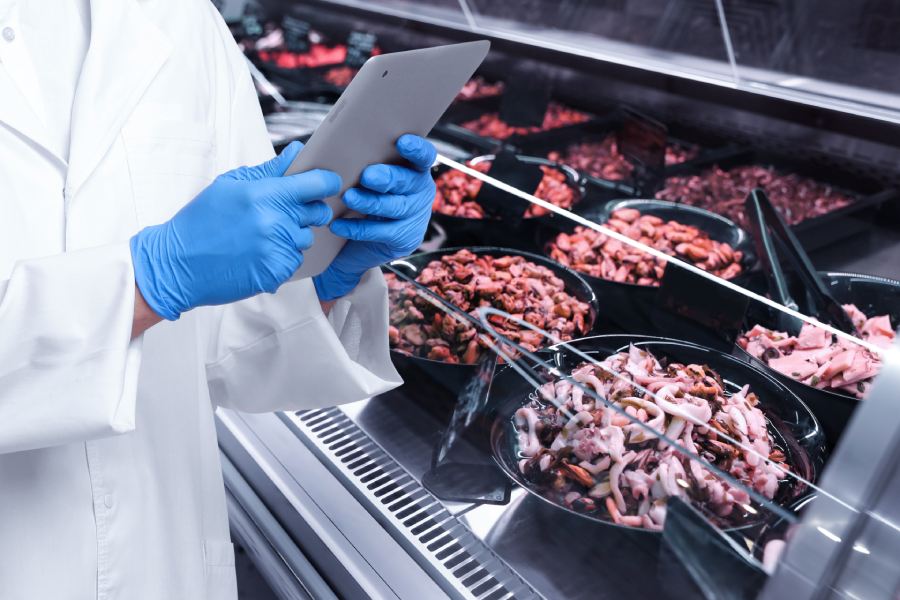
The checks included kitchens, refrigerators, freezers, food supplies and licences.
During a two-day drive, officials visited 1,730 food establishments and found reported problems at 1,525.
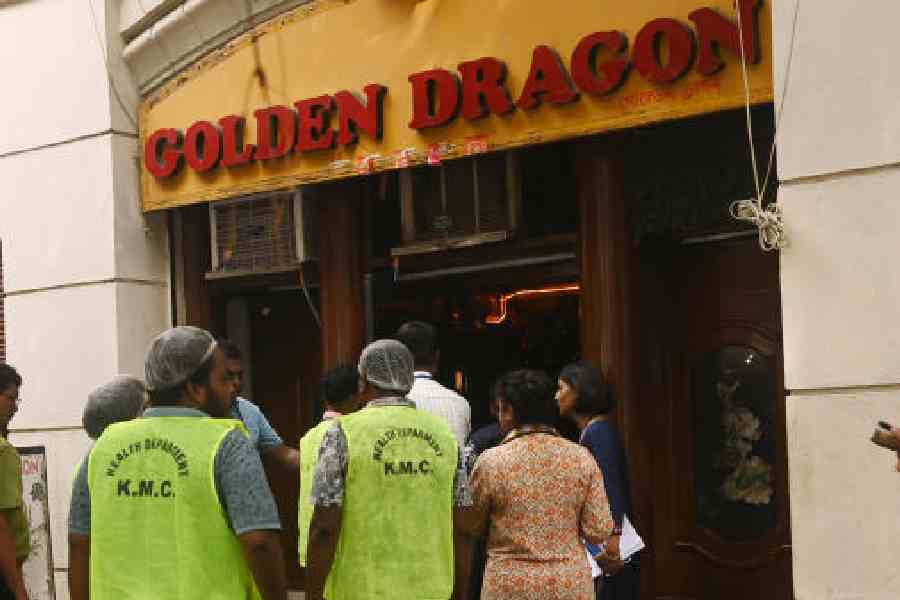
Officials also visited more than a dozen restaurants around Kolkata’s Park Street.
At least two restaurants were told to fix violations within a week.
Many restaurant owners said inspections help protect customers and improve hygiene.
Some restaurants said they already follow rules such as using fresh supplies and rotating older food first.
Restaurant groups want checks to happen regularly and be based on risk, not just licences.
Smaller businesses also want guidance and time to fix small problems before being shut down.

Food safety inspections across Bengal covered 1,730 establishments, with irregularities reported at 1,525.
Kolkata Municipal Corporation teams inspected more than a dozen Park Street eateries and issued at least two notices.
Restaurateurs said inspections are useful for hygiene, customer welfare and accountability, and several reported no violations.
Industry representatives called for regular, risk-based and transparent checks because licences do not guarantee ongoing compliance.
Some owners urged officials to distinguish minor lapses from serious violations, while others criticised incomplete public portrayals of inspections.
- Who
- Food safety officials, Kolkata Municipal Corporation teams, and Bengal restaurant owners and industry representatives.
- What
- A food safety inspection drive examined restaurants and other food establishments across Bengal.
- When
- The wider drive began on Wednesday and covered two days; Park Street inspections took place on Friday, during food safety week from September 1 to 8.
- Where
- Across West Bengal, including Kolkata’s Park Street and other city restaurants.
- Why
- The inspections aim to address food adulteration concerns, improve hygiene and food handling, and protect customers.
Regular, Strong Enforcement
Contextual, Corrective Enforcement
Need for inspections
Regular, Strong Enforcement
Regular and risk-based checks are necessary because holding a licence does not prove continuous compliance, and monitoring has previously been inconsistent.
Contextual, Corrective Enforcement
Restaurateurs generally support inspections as a useful reminder and accountability measure, but want them conducted transparently and explained clearly.
Handling violations
Regular, Strong Enforcement
Food hygiene and food handling standards should not be compromised, and inspections should identify establishments that do not follow the rules.
Contextual, Corrective Enforcement
Smaller establishments should receive a reasonable opportunity to correct minor lapses rather than being shut down immediately.
Publicity and reporting
Regular, Strong Enforcement
Public attention can increase pressure on establishments to maintain food safety standards, especially when inspections reveal problems.
Contextual, Corrective Enforcement
Some restaurant owners objected to incomplete or sensational portrayals and said checks should primarily remain a matter between officials and establishments; they also want publicity for restaurants that pass.
- Establishments covered
- 1,730 food establishments were inspected during the two-day Bengal drive.
- Reported irregularities
- Irregularities were reported at 1,525 establishments.
- Park Street inspections
- Kolkata Municipal Corporation teams visited more than a dozen eateries around Park Street.
- Notices issued
- At least two eateries received notices to rectify violations within a week.
- Items checked
- Teams examined kitchens, stores, refrigerators, freezers, food stocks and licences.
- Industry position
- Restaurateurs broadly supported inspections but requested regular, transparent and risk-based enforcement.
- Business concerns
- Some owners sought opportunities to correct minor lapses and objected to inspections being reported without complete context.