Archive · 25 Sep 2025
Gene Therapy Shows Promise for Huntington's Disease

Huntington's disease causes brain cell damage leading to movement and thinking problems.
A new gene therapy, AMT-130, has shown success in slowing the disease.
The treatment slowed the disease's progression by 75% over three years.
The therapy is delivered via brain surgery.
Patients could potentially live and work independently longer.
The FDA is expected to review data in 2026, and if approved, could launch in the next year.
This is the first treatment to slow the progression of the disease and offers hope to patients.

Gene therapy successfully slowed Huntington's disease progression by 75%.
The treatment slowed the disease progression by 75% after 36 months.
Huntington’s disease is a genetic condition affecting movement and thinking.
The therapy, AMT-130, is delivered via brain surgery.
The treatment may allow patients to work and live independently longer.
- Who
- Researchers and patients with Huntington's disease
- What
- Gene therapy slowed Huntington's disease progression by 75% after 36 months.
- When
- Results after 36 months
- Where
- Trials in UK and US
- Why
- To slow the progression of Huntington's disease.
- Disease
- Huntington's Disease
- Treatment
- Gene Therapy (AMT-130)
- Progression Slowed
- 75% at 36 months
- Lead Researcher
- Prof. Sarah Tabrizi
- Symptoms
- Movement, Cognitive, Mental Health Impairment
- Surgery Duration
- 12 to 20 hours
- FDA Review
- Expected in 2026
Sources

Historic medical breakthrough! Gene therapy slows Huntington's disease by 75%, offering new hope for patients

What is Huntington's disease? In major breakthrough, experimental gene therapy slows down progression by 75%

Huntington’s disease treated successfully for the first time in UK gene therapy trial, researchers report breakthrough
Huntington's Disease Successfully Treated For The First Time In Historic Breakthrough In UK
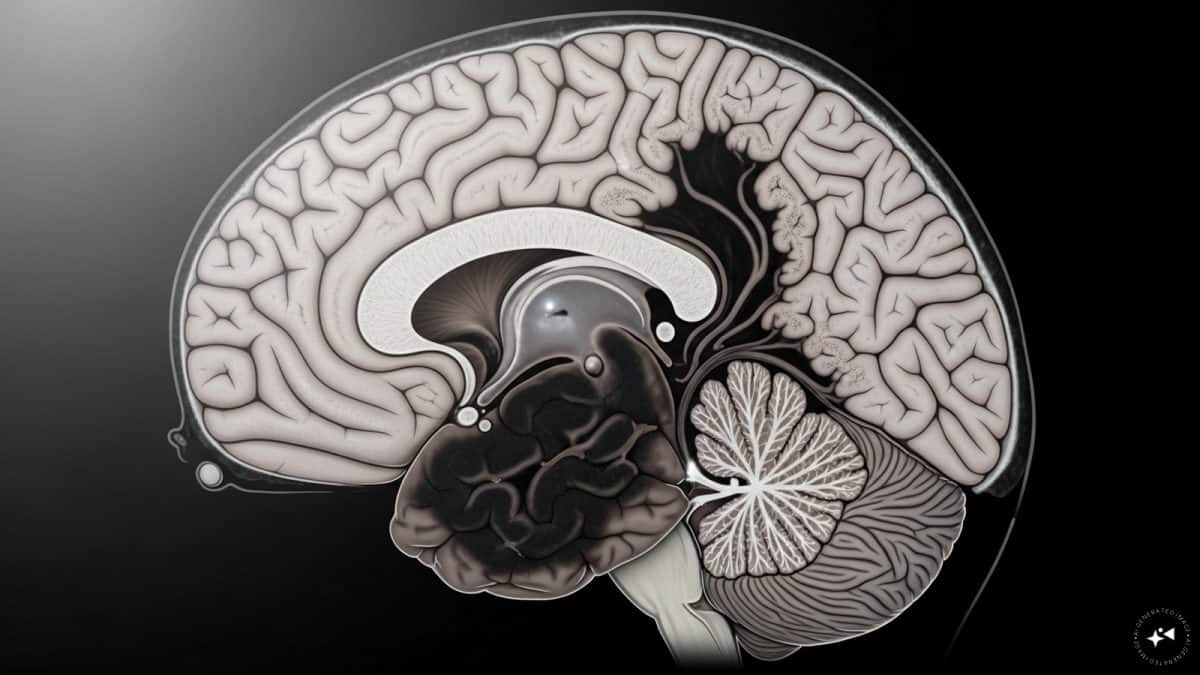
Breakthrough: Scientists treat Huntington's disease for the first time

Huntington’s disease treatment found. Why is it known as world’s most ‘cruel condition’?