Archive · 8 Oct 2026
Ladakh Launches India’s First High-Altitude Wildlife Safari
Ladakh has started a guided safari in places where snow leopards and other wildlife live.
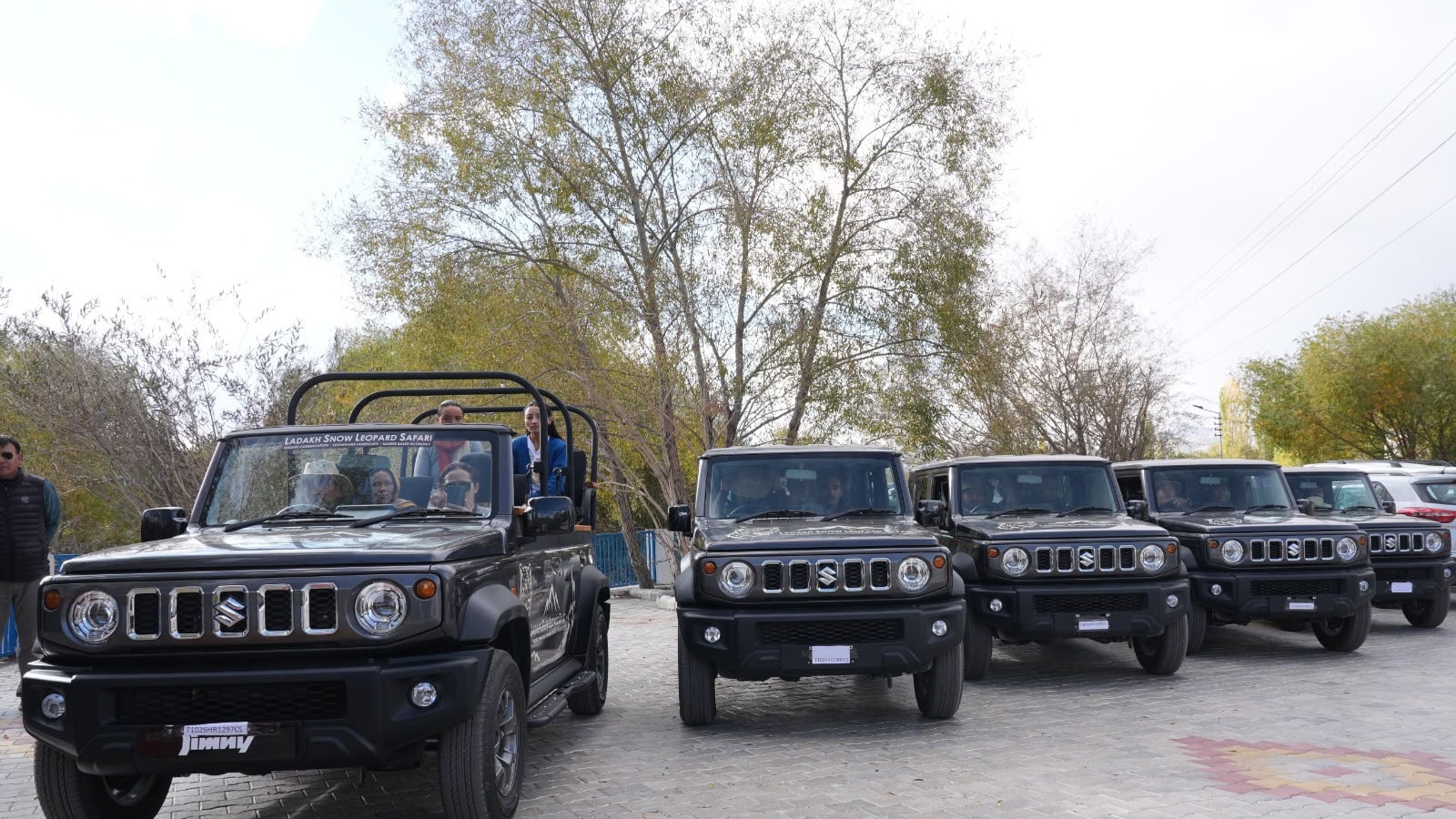
Six open-back vehicles have been launched for the trips.
At first, they will go through Rumbak, Shang and Uley.
Trained local drivers and wildlife guides will accompany visitors along approved routes.
The safari gives people a chance to visit snow leopard habitat, but it cannot promise that they will see one.
Officials say rules and visitor limits can help protect wildlife and its home.
The programme is also meant to help local people earn a living through guiding and crafts.
Twenty young people are learning about birds, and 50 women are making wildlife-themed wool products.

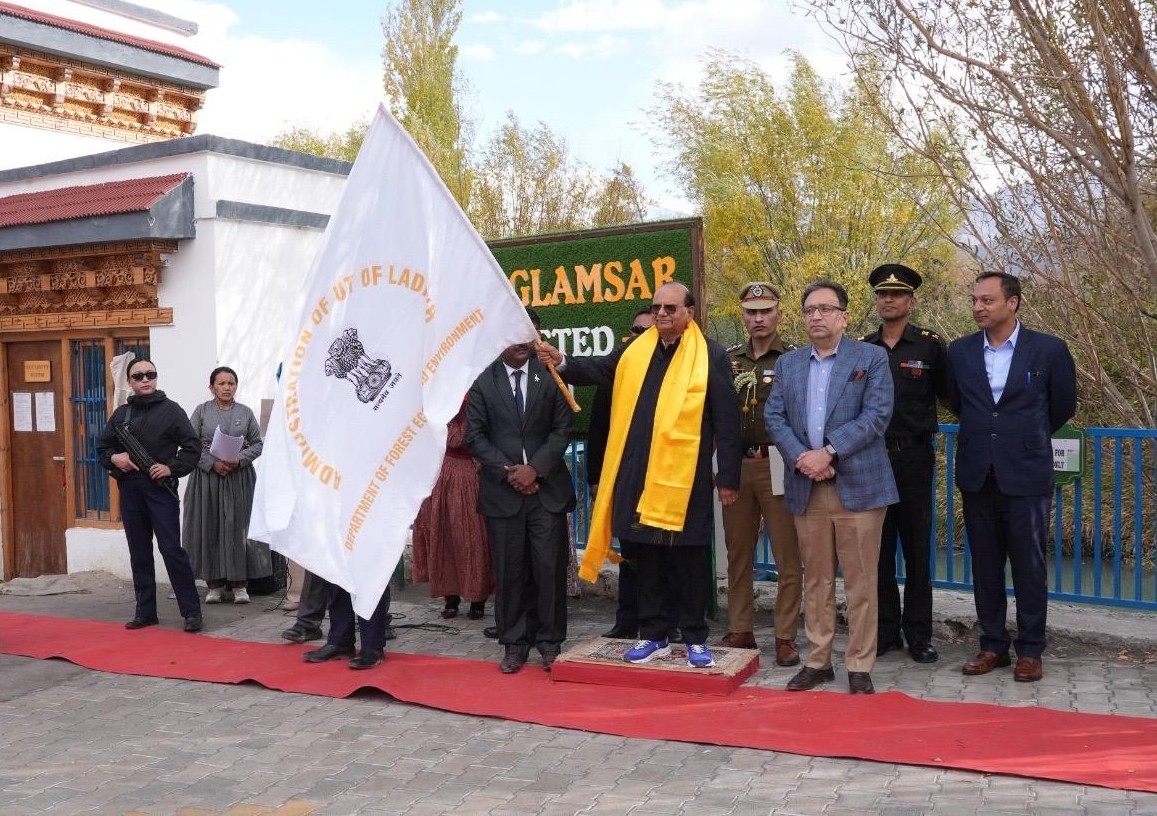
Lieutenant Governor Vinai Kumar Saxena flagged off six open-back vehicles for the safari during Wildlife Week 2026.
The safari will initially operate in Rumbak, Shang and Uley, with routes being considered for other areas across Ladakh.
The Snow Leopard and High-Altitude Nature Conservation Society is running the initiative with Ladakh’s Forest, Ecology and Environment Department.
Officials say trained local drivers and wildlife guides, approved routes and regulated visitor numbers are intended to reduce disturbance and illegal off-roading.
The programme links conservation with local livelihoods, including training for 20 young people and wildlife-themed crafts made by 50 women.
- Who
- Lieutenant Governor Vinai Kumar Saxena flagged off the vehicles; the Snow Leopard and High-Altitude Nature Conservation Society is operating the safari with Ladakh’s Forest, Ecology and Environment Department.
- What
- Six vehicles were launched for a guided, high-altitude wildlife safari focused on snow leopards and other wildlife.
- When
- Wednesday, October 7, during Wildlife Week 2026; the initiative was announced on August 5.
- Where
- The initial areas are Rumbak, Shang and Uley in Ladakh.
- Why
- The initiative aims to promote regulated wildlife tourism, reduce disturbance and illegal off-roading, and create conservation-linked livelihoods.
Potential benefits
Conservation concerns
Tourism and local livelihoods
Potential benefits
Officials say guided safaris can create work for local drivers, guides and nature interpreters while giving communities an economic stake in conservation.
Conservation concerns
The reports note that increased vehicle movement could put added pressure on a sensitive high-altitude ecosystem; the effects depend in part on how routes and visitor numbers are controlled.
Access and wildlife protection
Potential benefits
Organised trips can provide guided access to wildlife habitat and are intended to curb illegal off-roading.
Conservation concerns
A safari offers access to snow leopard habitat, not a guaranteed sighting, and vehicle activity must be managed to avoid disturbing wildlife.
- Vehicles launched
- Six specially designed open-back vehicles
- Initial operating areas
- Rumbak, Shang and Uley
- Potential additional routes
- Hemis National Park, Changthang, Karakoram Wildlife Sanctuary, Nubra, Zanskar, Sham, Kargil and Drass
- Estimated snow leopard population
- 477 in Ladakh, out of an estimated 718 nationwide
- Youth training
- 20 local young people are being trained in bird identification and spotting
- Women’s programme
- 50 women from five areas are participating in a wildlife-themed felting programme
- Visitor information
- Fares, booking arrangements, daily timings and the complete operating calendar had not been publicly announced in one report