

Archive · 22 Dec 2025
New York's congestion tax reduces traffic, raises funds
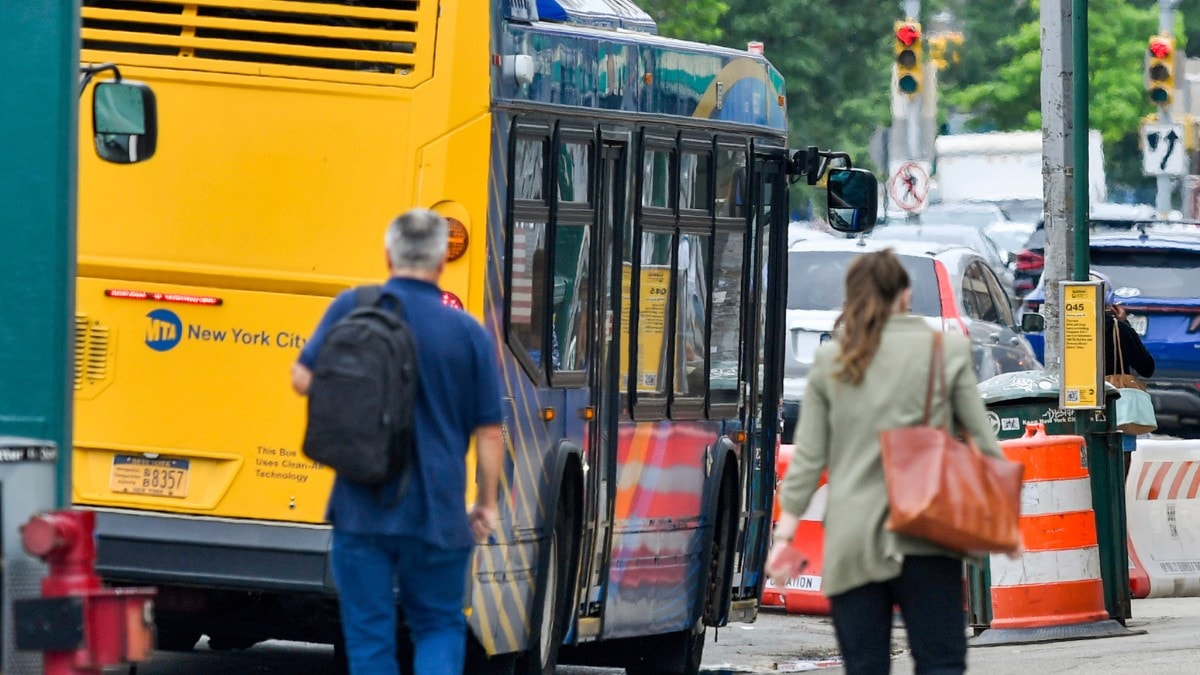
New York City started a new program in 2025 where cars have to pay $9 to enter busy parts of Manhattan.
This was done to reduce traffic and pollution and to raise money for fixing and improving the city's trains and buses.
After one year, the program seems to be working.
There are fewer cars on the road, the air is cleaner, and the city has raised more money than expected.
The money will be used to upgrade train signals, add elevators to subway stations, and extend train lines.
Some people, like the governor of New Jersey, were worried this would hurt the economy, but so far, the city's sales tax revenue has actually gone up.

New York City's congestion pricing plan, started in 2025, has reduced traffic by 11% in the tolled zone.
The program has raised $548.3 million in 2025, surpassing the $500 million goal.
Fewer vehicles entered the Central Business District, with 23.7 million fewer vehicles from January to November 2025.
The $15 billion raised will fund capital improvements, including modernizing train signals and extending the Second Avenue subway.
Despite initial concerns, the city's sales tax revenue grew by 6.3% compared to 2024.
- Who
- Metropolitan Transportation Authority (MTA) and New York City
- What
- Implementation of a congestion pricing plan to reduce traffic and raise funds for transit upgrades
- When
- Started in 2025
- Where
- New York City, primarily affecting Manhattan's Central Business District
- Why
- To improve air quality, reduce traffic, and fund $15 billion in capital improvements for the MTA network
- Program Start Year
- 2025
- Toll Fee
- $9 per vehicle
- Revenue Goal (2025)
- $500 million
- Actual Revenue (2025)
- $548.3 million (anticipated)
- Traffic Reduction
- 11% decline in tolled zone
- Vehicles Avoided (Jan-Nov 2025)
- 23.7 million fewer
- Funding Purpose
- $15 billion for transit upgrades
- Air Quality Improvement
- Significant drop in pollution in parts of Manhattan