

Archive · 8 Nov 2025
India's Basmati Rice Trademark Appeals Rejected in New Zealand and Kenya
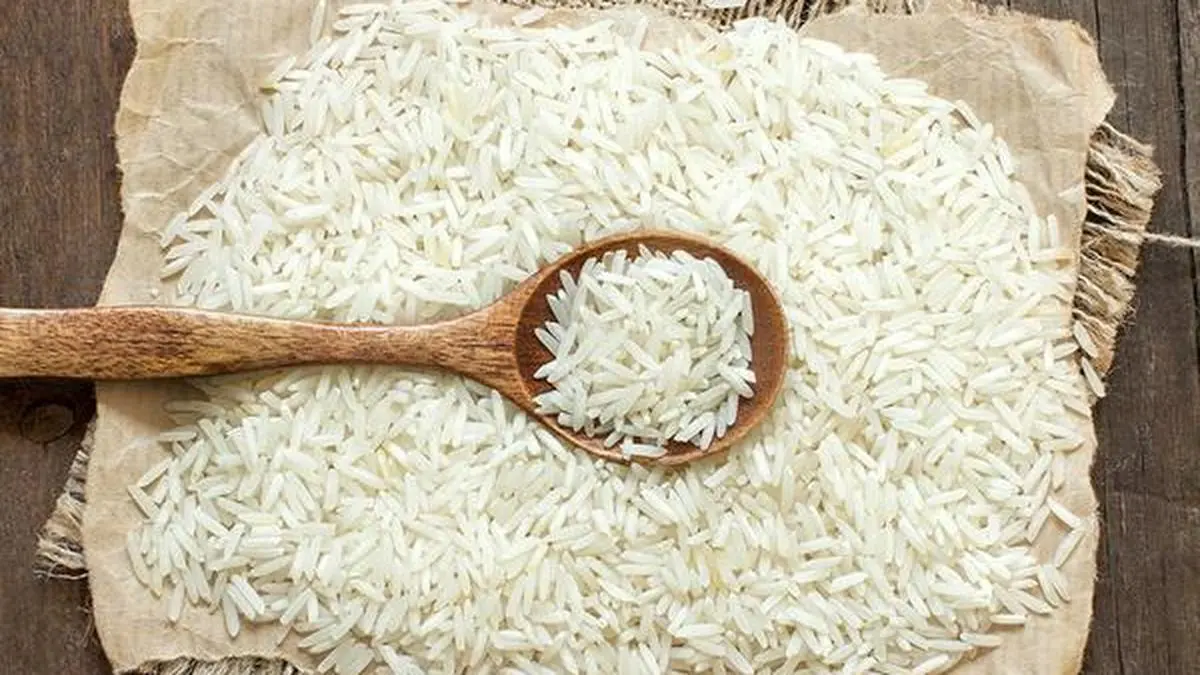
India has a special type of rice called basmati and wanted to be the only country allowed to use that name for its rice in places like New Zealand and Kenya.
They tried to get official permission, like a special badge, to be the only sellers.
However, the courts in New Zealand said that because basmati rice also grows in Pakistan, it wouldn't be fair to give India the exclusive badge.
In Kenya, the court said that 'basmati' isn't an officially recognized special name there.
Therefore, they couldn't stop other companies from using it in their product names.
These court decisions are a setback for India's plans to control who can sell basmati rice internationally.
Experts are questioning if India has been handling these international requests in the best way possible.

India's Agricultural and Processed Food Products Export Development Authority (Apeda) lost appeals in New Zealand and Kenya regarding exclusive basmati rice trademark rights.
The New Zealand High Court dismissed Apeda's appeal, stating basmati is grown in both India and Pakistan, preventing exclusive Indian rights.
Kenya's Court of Appeal rejected Apeda's plea against a ruling allowing a Kenyan company to use 'Basmati' in its trademark, citing lack of formal recognition.
Courts in both nations cited trademark law and the shared origin of basmati rice, undermining India's efforts to secure international GI protection.
International experts question India's strategy and effectiveness in obtaining GI tag registrations abroad for basmati rice.
- Who
- India's Agricultural and Processed Food Products Export Development Authority (Apeda)
- What
- Appeals by India's Apeda seeking exclusive market rights and GI tag protection for basmati rice were rejected by courts in New Zealand and Kenya.
- When
- New Zealand ruling on October 30; Kenya's Court of Appeal recent decision; earlier decisions and applications date back to 2009.
- Where
- New Zealand and Kenya
- Why
- Courts in both countries ruled against India's claims for exclusive rights, citing issues with trademark law, the shared growing region of basmati (India and Pakistan), and the lack of formal recognition of the term 'basmati' in Kenya.
India's APEDA (Seeking Exclusive Rights)
New Zealand & Kenya Courts (Denying Exclusive Rights)
Geographic Origin and Shared Cultivation
India's APEDA (Seeking Exclusive Rights)
APEDA sought exclusive rights for India's basmati rice, based on its GI tag.
New Zealand & Kenya Courts (Denying Exclusive Rights)
The New Zealand High Court ruled that basmati is grown in both India and Pakistan, and granting exclusive Indian rights would unfairly prevent Pakistani basmati from being sold. Kenya's Court of Appeal noted that 'basmati' is not formally recognized in Kenya, weakening APEDA's grounds for opposition.
Trademark Law and Legal Standing
India's APEDA (Seeking Exclusive Rights)
APEDA applied for a certification trade mark in New Zealand and opposed a Kenyan company's trademark registration.
New Zealand & Kenya Courts (Denying Exclusive Rights)
The Assistant Commissioner in New Zealand rejected APEDA's application, citing the Trade Marks Act, 2002. Kenya's Court of Appeal found APEDA lacked legal standing to object to the Kenyan company's use of 'Basmati' without its formal recognition in Kenya.
International GI Tag Strategy and Implementation
India's APEDA (Seeking Exclusive Rights)
India obtained a GI tag for basmati rice in 2016 and has been pursuing international protection for its market rights.
New Zealand & Kenya Courts (Denying Exclusive Rights)
International GI experts question why APEDA has not been able to secure a single GI tag registration abroad for Indian basmati rice in nine years and suggest a review of case handling. There is also a view that the 'Euro-centric definition' of GI needs to be linked with 'reputation and origin' from a geo-cultural perspective.
- New Zealand Ruling Date
- October 30
- New Zealand Application Date
- February 2019
- Kenya Trade Mark Application
- 2009
- Kenya Registrar Decision Date
- May 17, 2013
- Kenya High Court Decision
- April 2017
- Australia Ruling Date
- December 2022
- India Basmati GI Tag
- 2016