19 hrs ago
Italy Caps Poor Italian in Classes, Bans Full-Face Veils
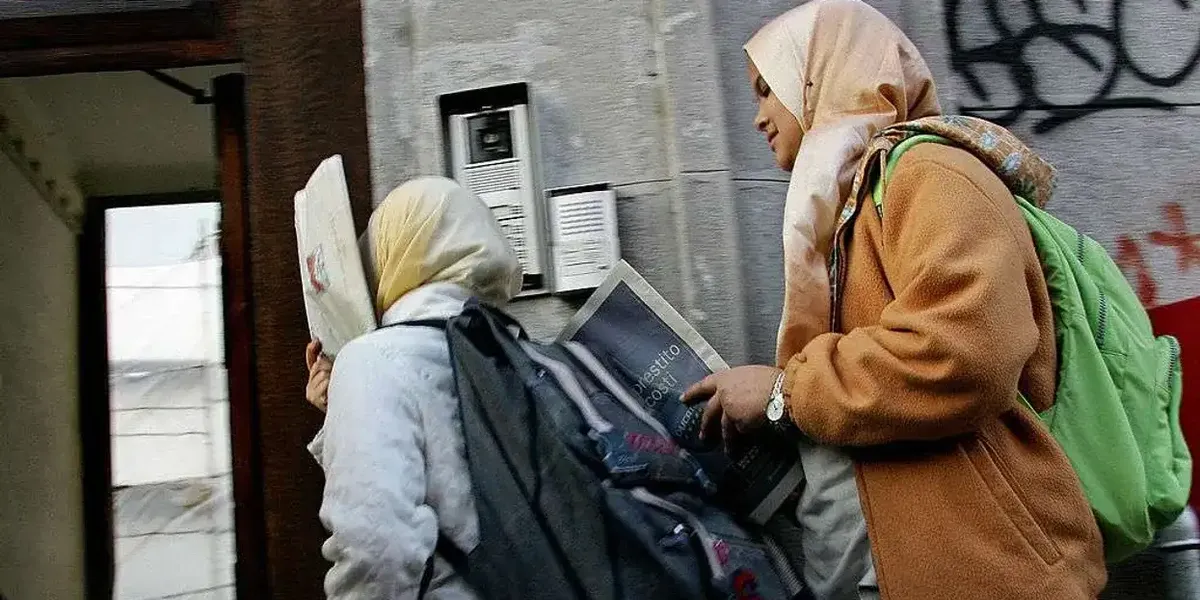
Italy has made new school rules about language and face coverings.
A classroom usually cannot have more than 30 percent of students who do not speak enough Italian for their lessons.
The rule is mainly aimed at children who recently arrived in Italy.
Children born in Italy or who attended Italian preschool will generally not be counted in the same way.
Schools may receive more money and teaching help for students learning Italian.
Some parents may have to take free Italian classes if language problems are seriously hurting their child’s education or behavior.
Burqas and niqabs, which cover the face, will not be allowed in schools, but hijabs will still be allowed.
The government says the rules will prevent separated “ghetto classrooms” and help children integrate.
Critics say the rules could treat children differently or make them travel far from home.

Italy’s cabinet approved an immediate decree limiting students with inadequate Italian to 30 percent of each classroom.
The measure mainly targets newly arrived students with limited Italian; children born in Italy or who attended Italian preschool are generally exempt.
Burqas and niqabs will be banned in schools, while hijabs remain permitted; violations can carry fines of up to €1,000.
Some parents may be required to attend free Italian courses if language barriers seriously affect a child’s education or behavior, with noncompliance fines of €200 to €1,000.
Supporters say the rules promote integration and equal opportunity, while critics warn they could divide pupils and force some children to attend distant schools.
- Who
- Italy’s government, led by Prime Minister Giorgia Meloni, approved the decree; Education Minister Giuseppe Valditara defended it, while opposition parties, educators, unions and Save the Children criticized parts of it.
- What
- A decree caps the share of students with inadequate Italian at 30 percent per classroom, bans burqas and niqabs in schools, and establishes language support and possible parental-course requirements.
- Where
- Schools across Italy.
- When
- The cabinet adopted the decree on Thursday, and it takes effect immediately; Parliament must approve or convert it within 60 days or the applicable constitutional timeframe.
- Why
- The government says the measures will improve Italian-language learning, integration, educational progress, equal opportunity and security.
Government’s rationale
Critics’ concerns
Language cap and school placement
Government’s rationale
The government says inadequate Italian hinders educational progress and that limiting concentrations will prevent isolated classrooms and give students equal opportunities.
Critics’ concerns
Save the Children, educators, unions and opposition parties warn that children could be separated from peers or sent to schools far from home, creating unequal treatment and practical problems in migrant-heavy areas.
Resources and feasibility
Government’s rationale
Officials say schools will receive additional language teachers, support and exemptions when the placement rules cannot be met.
Critics’ concerns
Teachers’ unions say the €14 million package is insufficient for specialized language teachers and cultural mediators, while school leaders question how the policy would work where only one nearby school serves a migrant-heavy neighborhood.
Full-face veil ban
Government’s rationale
Meloni describes the burqa and niqab ban as a security and fundamental-rights measure that supports integration, particularly when women or girls are forced to cover their faces.
Critics’ concerns
Critics say full-face veils are rarely seen in Italian classrooms and argue that the ban is primarily a symbolic political message about migration rather than an educational solution.
Political purpose
Government’s rationale
Meloni presents the package as common-sense measures that strengthen integration and avoid “ghetto classrooms.”
Critics’ concerns
Opposition leader Elly Schlein and other critics accuse the government of using schools to promote a political message on migration and of repackaging a flexible policy introduced in 2010.
Key facts
- Classroom limit
- No more than 30 percent of students lacking adequate Italian proficiency may generally be placed in one classroom.
- Mainly affected students
- The rule targets newly arrived non-Italian students with limited Italian, while children born in Italy or who attended Italian preschool are generally exempt.
- Face-covering ban
- Burqas and niqabs are prohibited in schools and during school-related activities; hijabs remain allowed.
- Parent courses
- Some parents may be referred to social services and required to attend tailored, free Italian-language courses.
- Potential fines
- Parents who fail to attend required language courses may face fines of €200 to €1,000; face-covering violations can also carry fines of up to €1,000.
- Estimated impact
- The education minister said about 1,000 classrooms, or roughly 0.3 percent nationwide, would be affected under the new criteria.
- Funding
- The government announced a €14 million package and additional language-support resources for qualifying schools.
- Parliamentary process
- The decree is immediately effective but requires parliamentary approval within the stated legal timeframe.
Quotes
Antonello Giannelli
President of Italy’s National Association of Principals
“A 30 percent cap on the number of students in a class who do not have an adequate command of Italian, more tools for learning our language, and a ban on the burqa and niqab in schools”
 NDTV
NDTV
“Differences mean opportunities, and as with every opportunity, one must be able to catch it. In most cases they (foreign students) allow the class to enrich their view of the world.”
 deccanchronicle.com
Sources

Related news
Meloni Proposes School Face-Covering Ban, Foreign-Student Cap

Italy Plans Foreign Student Cap and School Veil Ban

Scholar Backs Respect for Italy’s Proposed School Burqa Ban
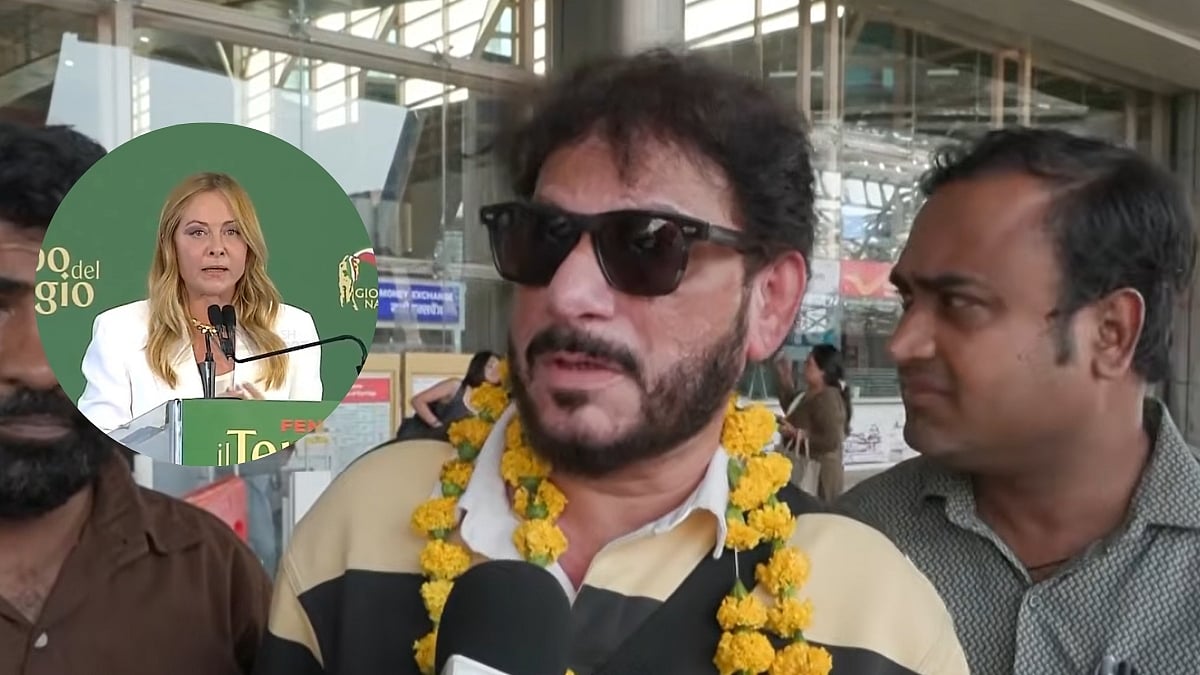
Waris Pathan Criticizes Meloni Over Proposed Italian Burqa Ban

Australia Plans Ban on Student Dependants Amid Immigration Tightening