7 months ago
Union Budget 2026: Focus on Tourism, Textiles, and Education

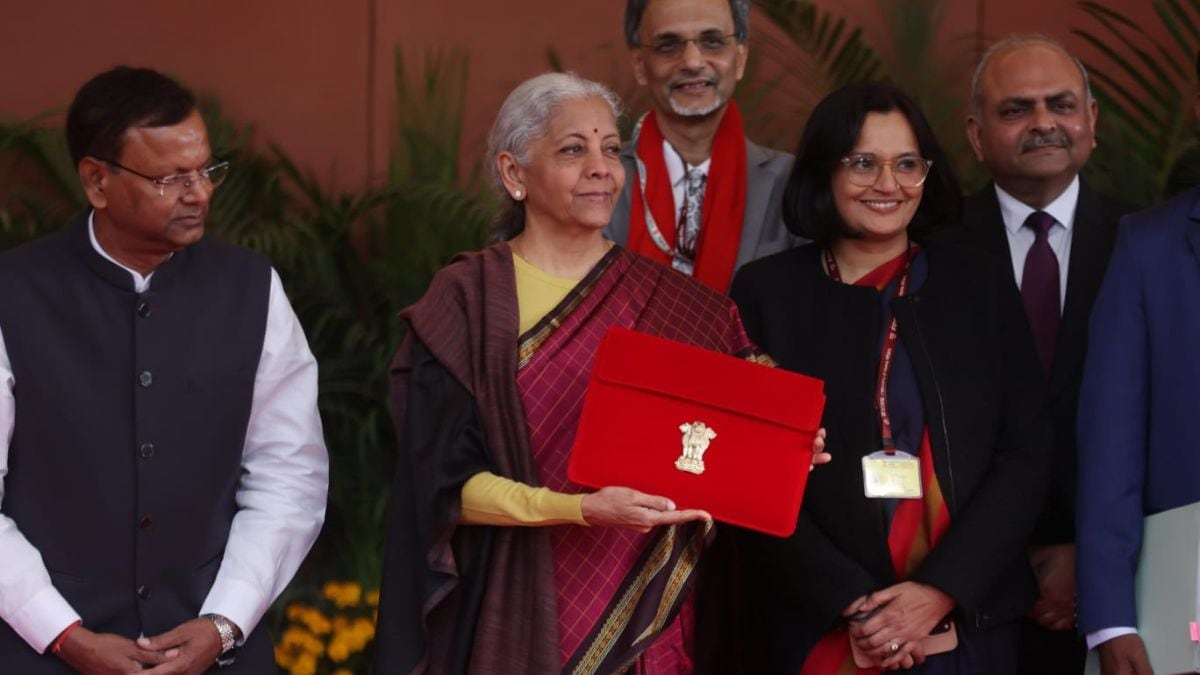
In the Union Budget 2026, Finance Minister Nirmala Sitharaman announced several important initiatives.
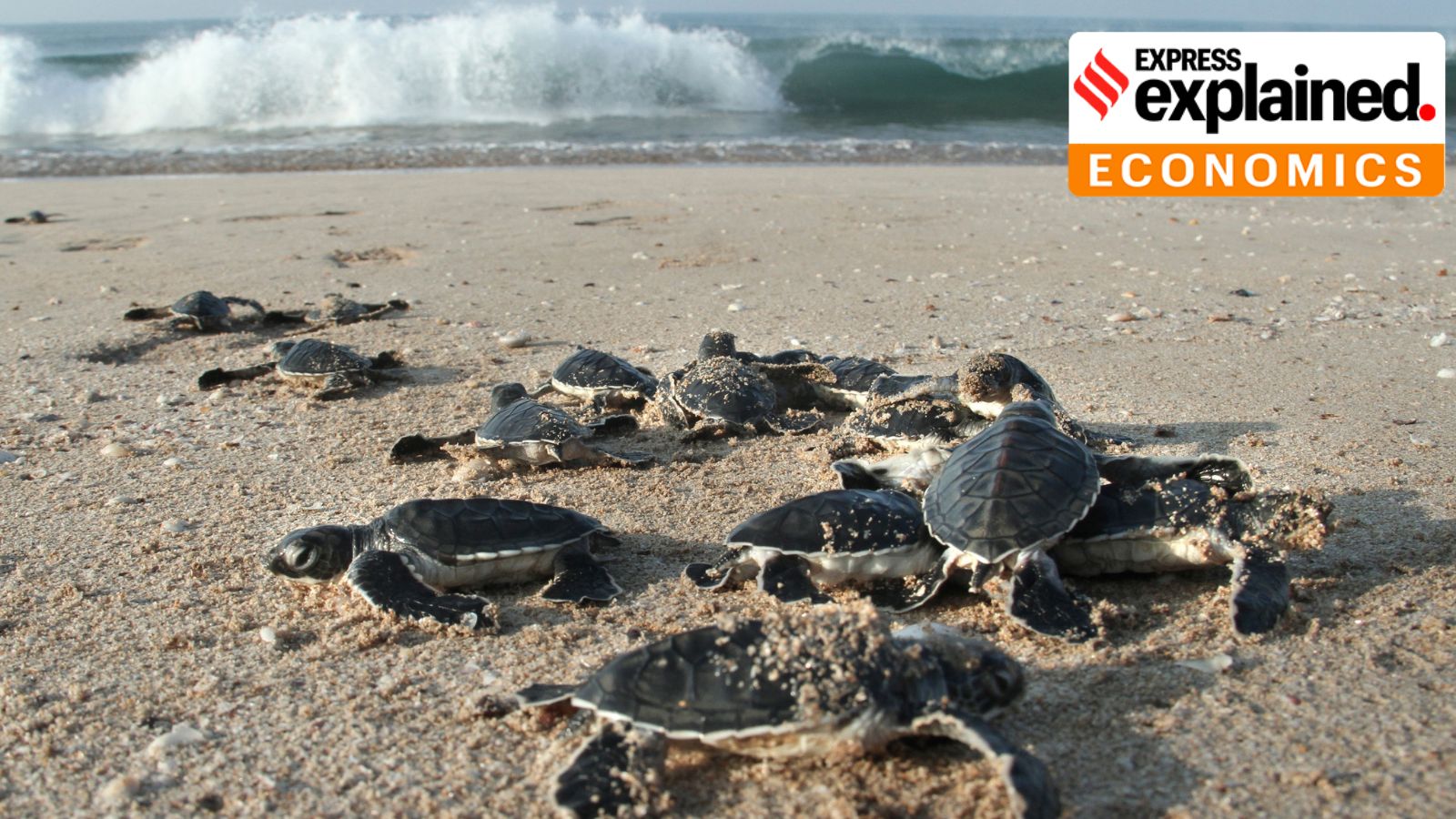
For tourism, she proposed setting up a National Institute of Hospitality and developing ecologically sustainable mountain trails in Himachal Pradesh, Uttarakhand, and Jammu and Kashmir.
She also plans to develop 15 archaeological sites into vibrant cultural destinations and upskill 10,000 tourist guides.
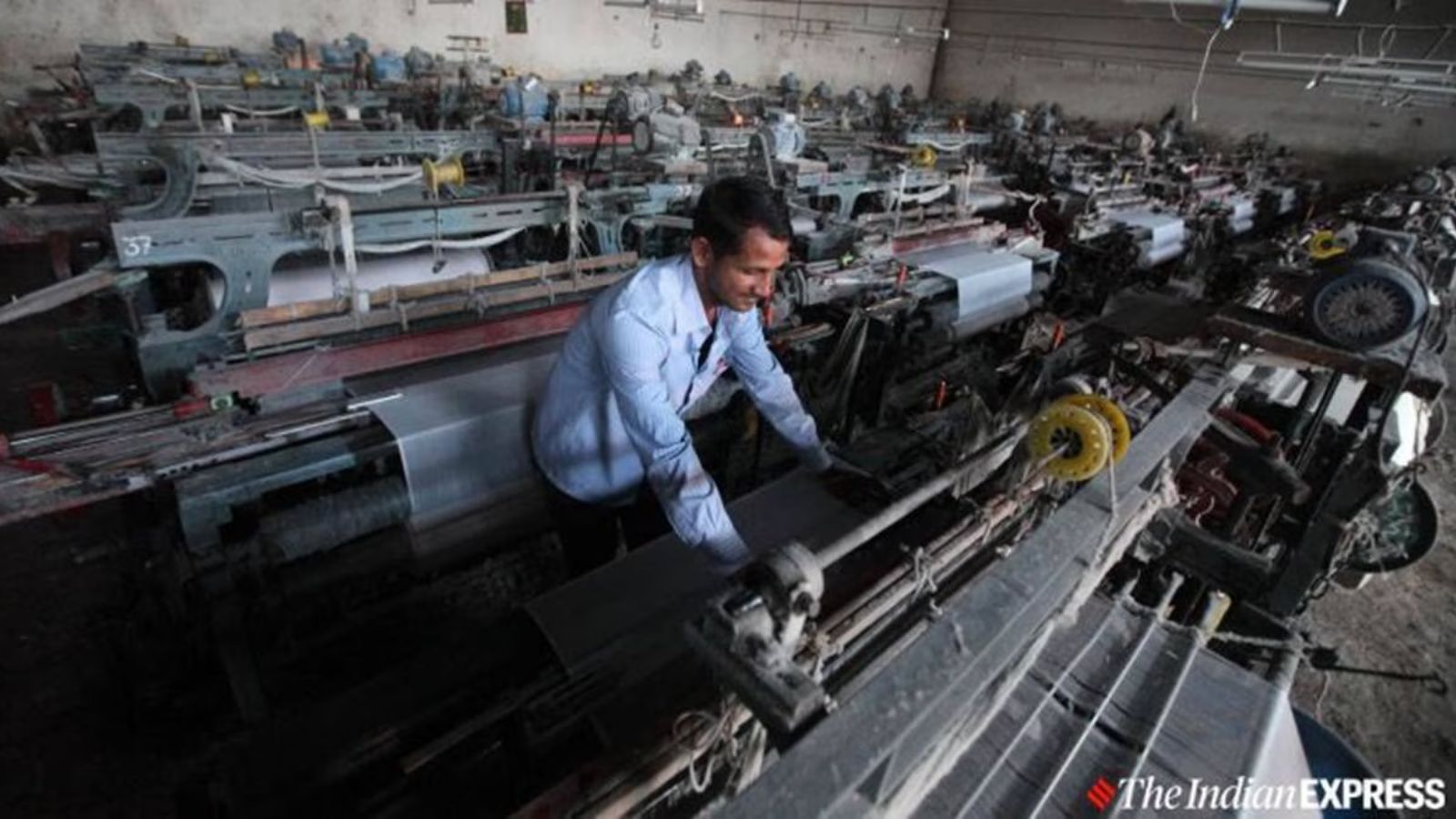
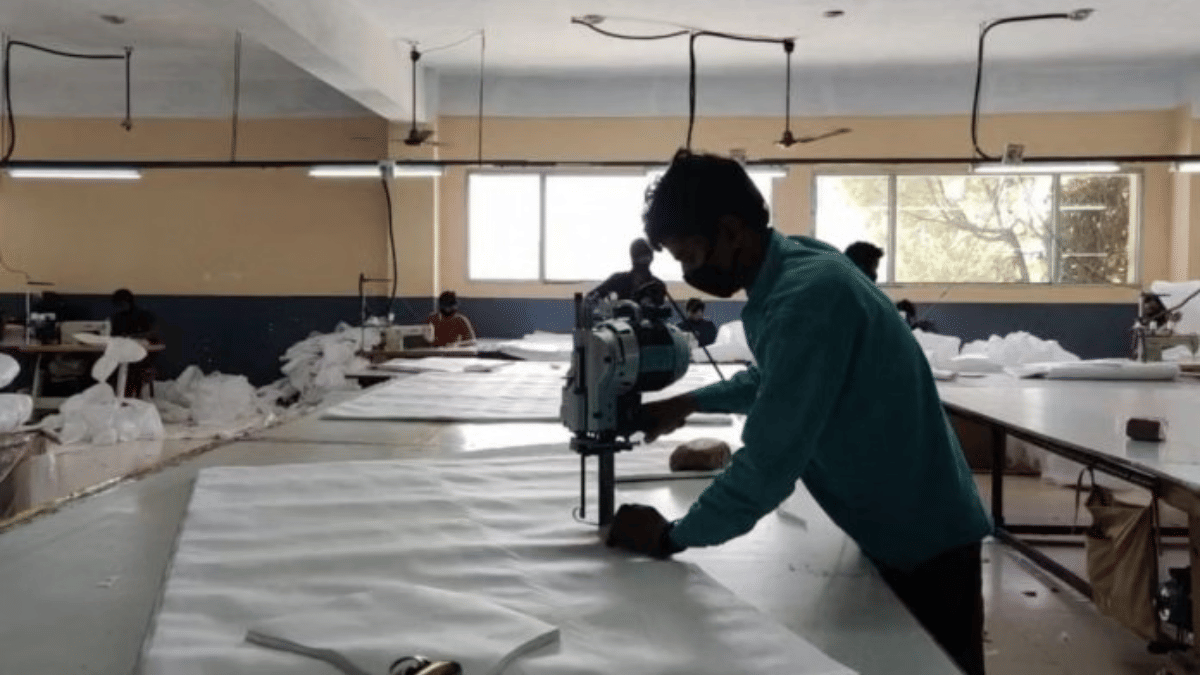
For the textile sector, she introduced an integrated programme with five key components, including the National Fibre Scheme, Textile Expansion and Employment Scheme, and Samarth 2.0 for modernizing the skilling ecosystem.
Additionally, she proposed setting up mega textile parks and launching the Mahatma Gandhi Gram Swaraj initiative to strengthen Khadi, handloom, and handicrafts.
In education, she announced setting up one girls' hostel in every district and supporting five university townships near major industrial logistics centres.
For healthcare, she proposed a loan-linked capital subsidy support scheme for veterinary colleges and hospitals and upgrading Ayush pharmacies and drug testing labs.
A WHO Traditional Medicine Centre will also be established in Jamanagar, Gujarat.
The budget also focuses on biopharma innovation, education reforms, and AI and cloud investments.
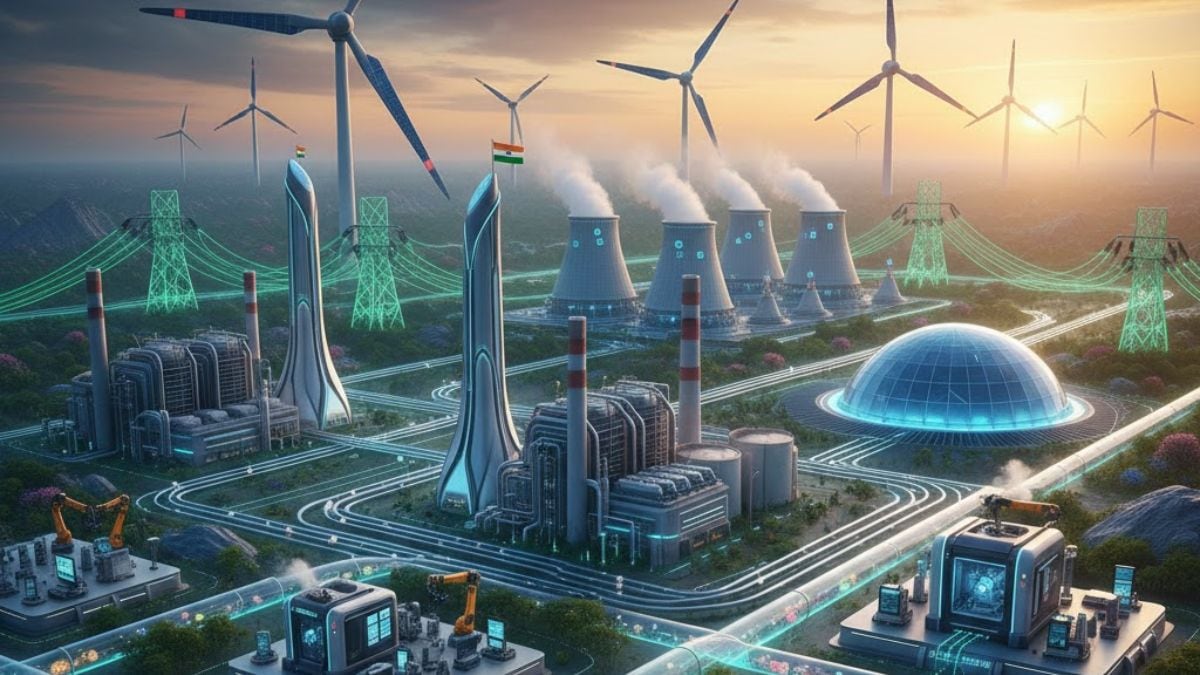
It aims to boost manufacturing, enhance energy security, and cut critical import dependency.
The fiscal deficit for FY27 is pegged at 4.3% of GDP, with a debt-to-GDP ratio expected to decline to 55.6%.
The budget prioritizes social sectors and employment generation, proposing schemes for medical tourism hubs, upgrading allied health skills, promoting sports goods manufacturing, and supporting vulnerable populations, including women entrepreneurs and the differently-abled.

Finance Minister Nirmala Sitharaman announced the setting up of a National Institute of Hospitality and development of ecologically sustainable mountain trails in Himachal Pradesh, Uttarakhand, and Jammu and Kashmir.
15 archaeological sites, including Lothal, Dholavira, Rakhigarhi, Sarnath, Hastinapur, and Leh Palace, will be developed into vibrant cultural destinations.
A pilot scheme for upskilling 10,000 tourist guides in 20 iconic tourist sites through a 12-week training programme in collaboration with an Indian Institute of Management.
An integrated programme for the textile sector with five key components: National Fibre Scheme, Textile Expansion and Employment Scheme, National Handloom and Handicraft Programme, Text-ECON initiative, and Samarth 2.0.
Proposed setting up of mega textile parks in challenge mode and launching the Mahatma Gandhi Gram Swaraj initiative to strengthen Khadi, handloom, and handicrafts.
- Who
- Finance Minister Nirmala Sitharaman
- What
- Announcement of various initiatives and schemes in the Union Budget 2026
- Where
- India
- When
- February 1, 2026
- Why
- To promote tourism, textile sector, education, healthcare, and infrastructure development
Balancing Services and Manufacturing
Prioritizing Service Sector
Employment Generation
Balancing Services and Manufacturing
The government should not overlook the potential of the smart manufacturing sector in generating both employment and profit.
Prioritizing Service Sector
The government has prioritized the service sector, where employment generation will be easier to achieve, especially for people in rural areas, women, the disabled, and others.
Key facts
- National Institute of Hospitality
- Upgraded from National Council for Hotel Management and Catering Technology
- Mountain Trails
- Ecologically sustainable trails in Himachal Pradesh, Uttarakhand, and Jammu and Kashmir
- Archaeological Sites
- 15 sites including Lothal, Dholavira, Rakhigarhi, Sarnath, Hastinapur, Leh Palace
- Tourist Guides
- Pilot scheme for upskilling 10,000 guides in 20 iconic tourist sites
- Textile Sector
- Integrated programme with five key components
- National Fibre Scheme
- Self-reliance in natural and man-made fibres
- Textile Expansion and Employment Scheme
- Modernisation of traditional clusters with capital support
- National Handloom and Handicraft Programme
- Integration and strengthening of existing schemes
- Samarth 2.0
- Modernisation and upgrade of textile skilling ecosystem
- Mega Textile Parks
- Challenge mode selection process for proposed parks
- Mahatma Gandhi Gram Swaraj Initiative
- Strengthening Khadi, handloom, and handicrafts
- Girls' Hostels
- One in every district of the country
- Veterinary Colleges and Hospitals
- Loan-linked capital subsidy support scheme
- Ayush Pharmacies and Drug Testing Labs
- Upgrading and modernization
- WHO Traditional Medicine Centre
- At Jamanagar, Gujarat
- University Townships
- Support for five university townships near major industrial logistics centres
- Biopharma SHAKTI Mission
- ₹10,000-crore, five-year outlay for biopharma innovation
- NIPERs
- Three new National Institutes of Pharmaceutical Education and Research
- Clinical Trial Sites
- Over 1,000 accredited clinical trial sites
- CDSCO
- Strengthening with a dedicated scientific review cadre
- AI and Cloud Investments
- Expected to surpass $200 billion
- ISM 2.0
- Focus on equipment manufacturing and design in India
- Rare Earth Corridors
- In mineral-rich states like Odisha, Kerala, Andhra Pradesh, and Tamil Nadu
- High-Speed Rail Corridors
- Seven new corridors including Mumbai-Pune, Delhi-Varanasi, and Hyderabad-Bengaluru
- Dedicated Freight Corridor
- Between Dankuni in West Bengal and Surat in Gujarat
- Fiscal Deficit
- 4.3% of GDP for FY27
- Debt-to-GDP Ratio
- Expected to decline to 55.6%
- Tax Devolution to States
- 41% with Rs 1.4 trillion allocated as grants
- Gross Tax Revenues
- Projected to grow 8% to Rs 44.04 lakh crore in FY27
- Corporate Tax Collection
- Projected to rise 11% to Rs 12.31 lakh crore in FY27
- Personal Income Tax Collection
- Expected to grow 11.73% to Rs 14.66 lakh crore in FY27
- Securities Transaction Tax
- Estimated at Rs 73,700 crore in FY27
- Total Direct Tax Collection
- Projected at Rs 26.97 lakh crore for FY27
- Customs Duty
- Rs 2.71 lakh crore estimated
- Excise Duty
- Rs 3.89 lakh crore estimated
- GST Collection
- Projected at Rs 10.19 lakh crore in FY27
- Public Capital Expenditure
- Increased to Rs 12.2 lakh crore in FY27
- Infrastructure Risk Guarantee Fund
- To provide partial credit guarantees to lenders during infrastructure development
- Road Transport and Highways
- Allocated Rs 3,09,875.30 crore in FY27
- High-Speed Corridors
- ₹1,87,293.16 crore earmarked for development
- Maintenance and Repair of National Highways
- Increased to Rs 5,020 crore
- Works under Roads Wing
- Increased to Rs 86,125 crore
- Indian Railways
- Allocated Rs 2.78 lakh crore for FY27
- New High-Speed Rail Corridors
- Including Mumbai-Pune, Delhi-Varanasi, and Hyderabad-Bengaluru
- Dankuni-Surat Dedicated Freight Corridor
- New corridor proposed
- Ministry of Civil Aviation
- Allocated Rs 2,102.87 crore in FY27
- Airports Authority of India
- Outlay of Rs 4,699.92 crore in FY27
- Regional Connectivity Scheme
- Allocation of Rs 540 crore in FY26
- National Waterways
- 20 new waterways to be operationalised over the next five years
- Coastal Cargo Promotion Scheme
- Aims to raise the share of inland and coastal shipping from 6% to 12% by 2047
- Infrastructure Investment Trusts and Real Estate Investment Trusts
- Continued use for public infrastructure creation
- National Investment and Infrastructure Fund
- Institutions for public infrastructure creation
- National Bank for Financing Infrastructure and Development
- Institutions for public infrastructure creation
- Focus on Structural Levers of Farm Income Growth
- Sustained public investments, growth of farm incomes, and enhanced support to MSMEs
- Medical Tourism Hubs
- Five Regional Medical Hubs proposed in partnership with the private sector
- Global Big Cat Summit
- First-ever summit to be held in India in 2026
- Heritage and Culture Tourism
- 15 archaeological sites to be developed into experiential culture destinations
- Integrated East Coast Industrial Corridor
- Five tourism destinations in the five Purvodaya states
- E-buses
- 4,000 e-buses allocated
Timeline
Tatsuki's tsunami warning slashed Japan travel bookings.
Victorian budget boosted healthcare, transport, then tax refunds push.
Finance Minister fast-tracked GST probes, consulted sectors.
November talks shaped Union Budget 2026 initiatives.
Sitharaman unveils tourism, textile boosts in Budget 2026.
Quotes

Nirmala Sitharaman
Finance Minister of India
“I propose to launch the Mahatma Gandhi Gram Swaraj initiative to strengthen khadi, handloom and handicrafts. This will help in global market linkage and branding. It will streamline and support training, skilling, quality of process and production”
 theprint.in
“We followed an approach that allows the Centre to address region-specific economic needs while keeping the Budget aligned with a pan-India framework and avoiding state-specific allocations during an election cycle.”
 livemint.com
Finance Minister Nirmala Sitharaman and the secretaries of all six departments in the ministry
Finance Minister and the secretaries of all six departments in the ministry
“The high level committee is going to look into it. Terms of Reference (ToR) of the committee will be prepared. We are looking for the committee to go into the entire expanse of the banking sector so that they come up with recommendations that help us to plan for banking for 2047. By the time we become Viksit Bharat we need to understand what other steps we need to take in the banking area and based on those recommendations we will move forward. There are a large number of aspects related to banking requirements and expansion of the banking network and procedures that are impeding deposits as well as credit. All these aspects will be looked at by the committee.”
 financialexpress.com
“The primary objective of raising the STT is that it is felt that if you look at the volume of transactions in F&O, whether you compare with the size of the GDP or size of the underlying securities market. It is largely in the realm of speculation which results in losses to small and unsophisticated investors. The government’s intention is to discourage speculation tendencies. The increase in rate essentially is in this direction.”
financialexpress.com

Ashwini Vaishnaw
Union Minister for Railways, Information and Broadcasting, and Electronics and Information Technology
“The first version, we wanted to get the marquee investments and wanted to create that jumpstart. The second version will focus on equipment manufacturing and design in our country... We must focus on making sure that the chips required for the strategic sectors are all designed and manufactured in India.”
 businesstoday.in
“Today, the world looks at India as an economy which is the bright spot among the entire globally turbulent world... everybody wants to be a partner with India.”
businesstoday.in

Mohan Yadav
Chief Minister of Madhya Pradesh
“The provisions for the development of cities with a population of more than five lakh, spending Rs 5,000 crore over five years on all urban economic zones, developing pilgrimage sites in smaller cities, constructing one women’s hostel in every district, and upgrading district hospitals will greatly benefit the state.”
 deccanchronicle.com
“Prime Minister Narendra Modi has given Madhya Pradesh a major boost in the textile sector in the form of a PM MITRA Park, adding that this will create employment opportunities for three lakh people and benefit six lakh farmers.”
deccanchronicle.com
Dr Anshuman Jaswal
Director of NMIMS campus
“"The recent Union Budget has focused heavily on health and AI when it comes to education. There will be new institutes for pharmacy, mental health, and Ayurveda. Similarly, there is emphasis on AI-enabled education and on skilling in sports, tourism, and for Divyangjan. A National Institute of Hospitality will be created. The government is also going to set up five university townships to support major industrial centres. Another significant initiative is the proposed support for the Indian Institute of Creative Technologies to set up AV, gaming and creative content labs in 15,000 secondary schools and 500 colleges. Investment is also being provided in astronomy-related research."”
 freepressjournal.in
“"These are all significant steps, but one does feel that more could have been done to encourage research and education in areas of AI, sustainability, space, deep tech and related technologies in the education sector. This is a crucial time for the Indian science and technology sector. It is important that universities get strong support from the government for their research in areas such as AI, computer hardware, quantum computing, robotics, space, defence, drones and related fields. Similarly, sustainability-related research is also highly relevant today. The current support is welcome, but more can be done if Indian universities and industry are to compete globally."”
freepressjournal.in
A. Sakthivel
Chairman, Apparel Export Promotion Council (AEPC)
“The National Fibre Scheme is a significant step towards self-reliance across natural fibres such as silk, wool and jute, man-made fibres and new-age fibres. This integrated approach will help India build a robust raw material base and reduce import dependence while supporting innovation.”
 thehindubusinessline.com
“The launch of Samarth 2.0 to modernise and upgrade the textile skilling ecosystem through collaboration with industry and academic institutions will help bridge skill gaps and promote employment especially for youth and women.”
thehindubusinessline.com
Prabhu Dhamodharan
Convenor, Indian Texpreneurs Federation (ITF), Coimbatore
“Competitiveness in textiles begins with raw material security and competitive pricing. The Budget’s proposal for a National Fibre Mission, covering the full fibre spectrum, will ensure supply stability, price competitiveness, and stronger global positioning of finished textile and apparel products.”
thehindubusinessline.com
“The Budget’s push for technology upgrades in clusters and mission-mode Mega Textile Parks will enable faster scaling, higher productivity, and globally competitive supply chains.”
thehindubusinessline.com
Durai Palanisamy
Chairman, The Southern India Mills’ Association
“The Centre had already allocated ₹5,900 crores under 'Mission for Cotton Productivity' that covers new age fibres.”
thehindubusinessline.com
“National Fibre Scheme will strengthen availability of raw materials including man-made fibres and new age fibres.”
thehindubusinessline.com
Pawan Goenka
Chairman of the Indian National Space Promotion and Authorization Centre and SCALE Committee, Government of India
“With wide-ranging reforms across sectors and a focus on manufacturing, including a boost to creating Champion MSMEs, and infrastructure reflects an understanding that scale and resilience are built through stable policy and institutional support.”
thehindubusinessline.com
“The proposal to establish dedicated Rare Earth Corridors across mineral-rich states is a timely step towards securing critical materials, strengthening domestic value chains, and reducing strategic dependencies.”
thehindubusinessline.com
Sudipta Mukherjee
Managing Director of Texmaco Rail & Engineering
“Eri silk of Assam and Meghalaya are being increasingly used by a lot of brands and even designers. But they do not attribute it to Assam, which means the weavers do not really get the business. Also there has never been a standardisation of fabric per metre of these handloom fabrics. So there’s a divide between those who have jacked-up prices in a way that most people cannot afford and those weavers who barely earn a living”
theprint.in
“The announcement of seven high-speed rail corridors as ‘growth connectors’, along with a new Dedicated Freight Corridor between Dankuni and Surat, will significantly enhance passenger mobility, freight efficiency and regional economic integration.”
theprint.in
Chetan Shah
Chairman & Managing Director of Solex Energy Limited
“The Budget places manufacturing at the heart of India’s energy transition.”
financialexpress.com
“Exemptions for batteries, energy storage systems, critical minerals and nuclear infrastructure will accelerate domestic value addition and reinforce India’s ambition to 'Make in India for the World'.”
financialexpress.com
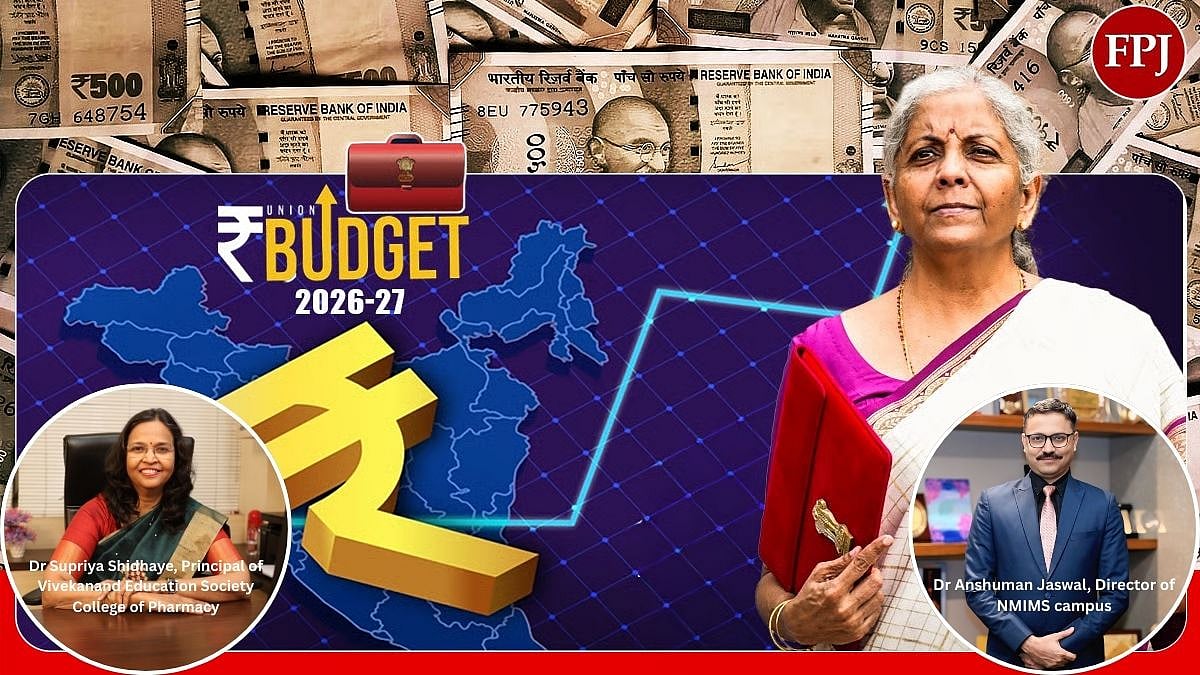
Dr Supriya Shidhaye
Principal of Vivekanand Education Society College of Pharmacy
“"The Union Budget 2026–27, through the launch of the Biopharma SHAKTI Mission with a ₹10,000-crore, five-year outlay, marks a transformative step for India’s pharmaceutical and biopharma ecosystem. The focus on biologics and biosimilars, establishment of three new NIPERs, and upgradation of seven existing institutes will significantly strengthen academic capacity, advanced research, and industry-ready talent development. The creation of over 1,000 accredited clinical trial sites and the strengthening of CDSCO with a dedicated scientific review cadre will further enhance India’s global credibility in research and regulatory excellence. Together, these reforms signal a decisive shift from generic-led manufacturing to innovation-driven, high-value pharmaceutical production, empowering academia to play a central role in India’s journey towards a Viksit Bharat and global pharmaceutical leadership."”
freepressjournal.in
Potluri Bhaskara Rao
President of the Andhra Pradesh Chambers of Commerce and Industry Federation (AP Chambers)
“We congratulate Finance Minister Nirmala Sitharaman on presenting the Union Budget for a record ninth time. The budget reflects a balanced and pragmatic approach, especially in the backdrop of global economic uncertainties arising from geopolitical tensions and trade disruptions. The government’s emphasis on fiscal consolidation and structural reforms is encouraging.”
deccanchronicle.com
B. Raja Sekhar
Executive vice president of the Andhra Pradesh Chambers of Commerce and Industry Federation (AP Chambers)
“The decision to facilitate all CPSE purchases from MSMEs through TReDS will significantly improve liquidity and timely payments. Continued infrastructure development in Tier-2 and Tier-3 cities will boost regional economic activity. The rare-earth corridor announced for Andhra Pradesh will further strengthen the State’s industrial ecosystem.”
deccanchronicle.com
Arjun Kulkarni
Past president of the Indian Leather Products Association (ILPA)
“The move would help improve margins by 2-3 per cent for high leather exports, which have a 10-12 per cent import component.”
theprint.in
Rajarshi Banerji
Member of the national managing committee of the Seafood Exporters Association of India
“The intervention is welcome but not adequate for the seafood sector, where imports are not a major cost component.”
theprint.in
Vinod Kumar Gupta
MD of Kolkata-based Dollar Industries Ltd
“The Rs 10,000 crore MSME Growth Fund and the introduction of the National Fibre Scheme were 'strong steps towards boosting manufacturing.' The fibre scheme would improve domestic availability of natural and man-made fibres, enhance competitiveness of the labour-intensive hosiery sector and support sustainable growth and employment generation.”
theprint.in
Rajeev Gupta
Joint Managing Director, RSWM Limited, a leading yarn manufacturer based in Rajasthan
“The National Fibre Scheme is significant in strengthening self-reliance across natural, man-made and new-age fibres, while mitigating supply-chain vulnerabilities amid global disruptions.”
thehindubusinessline.com
Pradeep Khaitan
Managing Director of Pandrol Rahee Technologies
“Overall, the budget creates a stable and forward-looking environment for technology-driven rail infrastructure companies focused on safety, reliability and indigenisation.”
theprint.in
Gaurav Lath
Joint Managing Director of Concord Control Systems Limited
“This unprecedented investment reinforces railways as the backbone of India’s long-term mobility and logistics strategy.”
theprint.in
Aishani Gupta
Owner of a small business that deals in handloom sarees and fabrics
“Even if we push for Khadi and handloom or even if it is articulated in the Budget, not a lot will change behind the scenes. The situation is dire in places like West Bengal and Odisha. In Bengal, there is still the mahajan system in place where some get to own karkhanas and weavers are paid meagre daily wages”
theprint.in
Neha Sinha
Fashion stylist
“Celebrities and influencers tend to wear khadi and Indian handlooms for desi events, or for the national awards. But when they attend a global event like the Met Gala or award shows abroad, khadi is not the first or even the fifth choice. One reason is that different silhouettes have not been experimented with khadi. For instance, no one has made a khadi gown that one can wear to a fashion week in Paris or London”
theprint.in
Pooja Kapoor
Designer and consultant for companies exporting textiles and apparels
“The current budget announcements are focusing on long-term approaches. We need to find other countries to export to to offset the current situation while working with the USA to rework the tax bracket. Handloom and khadi products are our strengths but currently only account for a tiny portion of the exports (under 5 per cent) and can be our USP if brought into the forefront”
theprint.in
Atanu Mukherjee
President & CEO of Dastur Energy
“The funding reflects a realistic approach to emissions reduction without compromising competitiveness.”
financialexpress.com
Saugata Gupta
MD & CEO, Marico Ltd
“The continued emphasis on enhancing agricultural incomes through higher productivity and value addition is structurally positive for rural and semi-urban demand, creating sustained tailwinds for consumption.”
thehindubusinessline.com
Naveen Malpani
Partner, Consumer and Retail Industry Leader, Grant Thornton Bharat
“This is particularly relevant for mass and mid-priced consumer categories, where spending is closely linked to income visibility. Over time, this shift can help make consumption growth less metro-centric and more broad-based.”
thehindubusinessline.com

Mohit Malhotra
CEO, Dabur India
“Sharper focus on tier-2 and tier-3 cities to broaden India’ economic footprint will help drive deeper penetration of branded consumer products by improving access, logistics efficiency and income resilience across Bharat.”
thehindubusinessline.com
Kumar Rajagopalan
CEO, Retailers Association of India (RAI)
“Union Budget 2026–27 is not designed to stimulate consumption in the short term. Instead, it focuses on shaping the operating environment for retail through fiscal consolidation, infrastructure investment, MSME enablement, skilling, and regional growth. For the retail sector, its impact will be gradual and uneven, driven more by improvements in supply chains, workforce readiness, and rural and non-metro demand than by direct policy support.”
thehindubusinessline.com
Sources

Union Budget: National Destination Digital Knowledge Grid to be set up

Union Budget pushes National Fibre Scheme to enhance textile self-reliance
Union Budget 2026: FM Nirmala Sitharaman Proposes Key Components To Promote Labour Intensive Textile Sector

Champion MSMEs May Incentivise Dwarf MSMEs To Grow
Budget: India to establish Mega Textile Parks in challenge mode
In Budget, industrial sector seeks focus on modernisation, innovation, skilled manpower and job creation
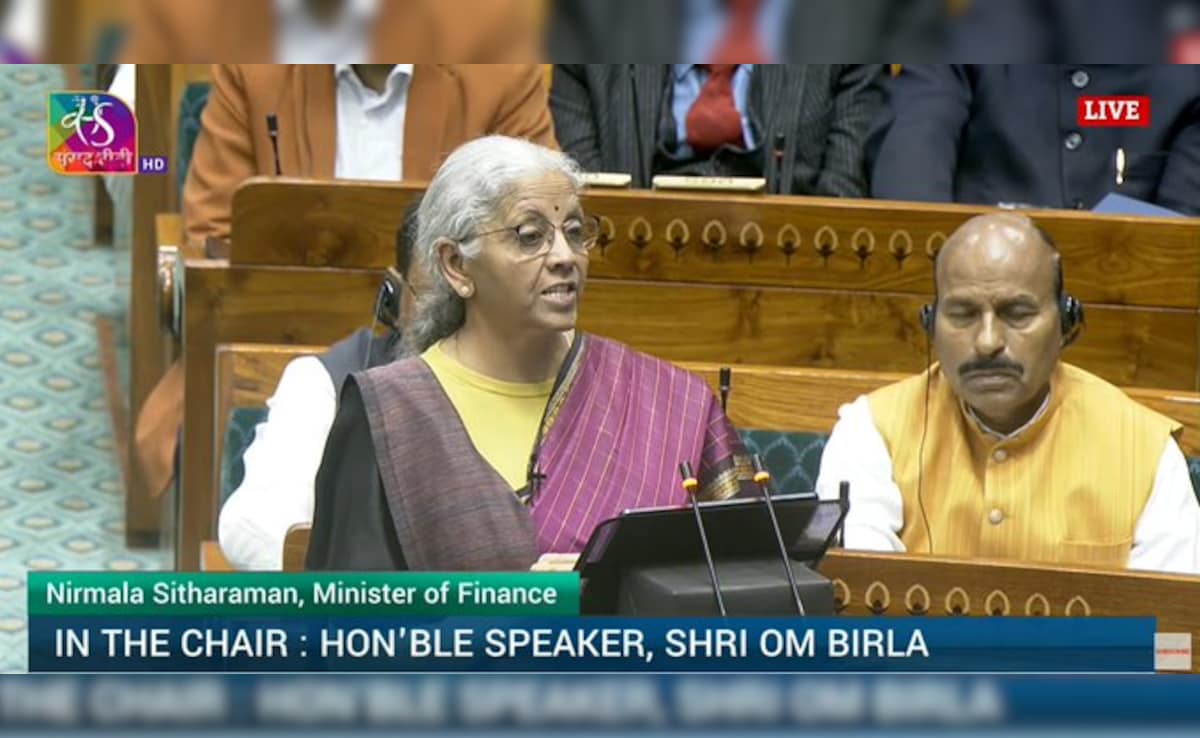
India To Set Up Textile Parks, Mahatma Gandhi Gram Samaj Initiative To Support Khadi: Nirmala Sitharaman
Nirmala Sitharaman talks of ‘orange economy’ in Budget speech: What is it, how govt plans to boost it

Budget 2026: Govt announces setting up of one girls' hostel in every district
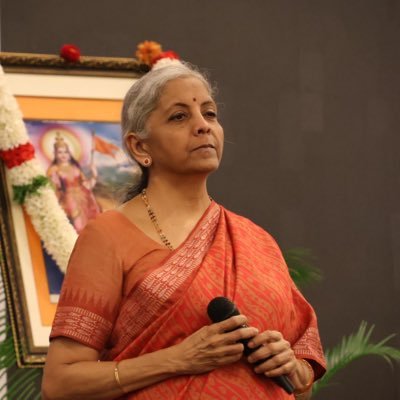
AP Chambers Says Union Budget Balanced, Pragmatic
Budget: Bengal stands to gain from freight corridor, Durgapur industrial node, tourism push

Budget 2026 boosts the foundation for sustained economic growth says Pawan Goenka
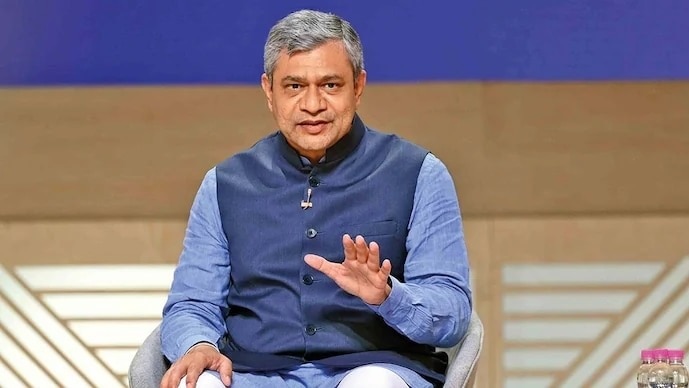
Budget 2026: Ashwini Vaishnaw expects AI and cloud investments to top $200 billion soon
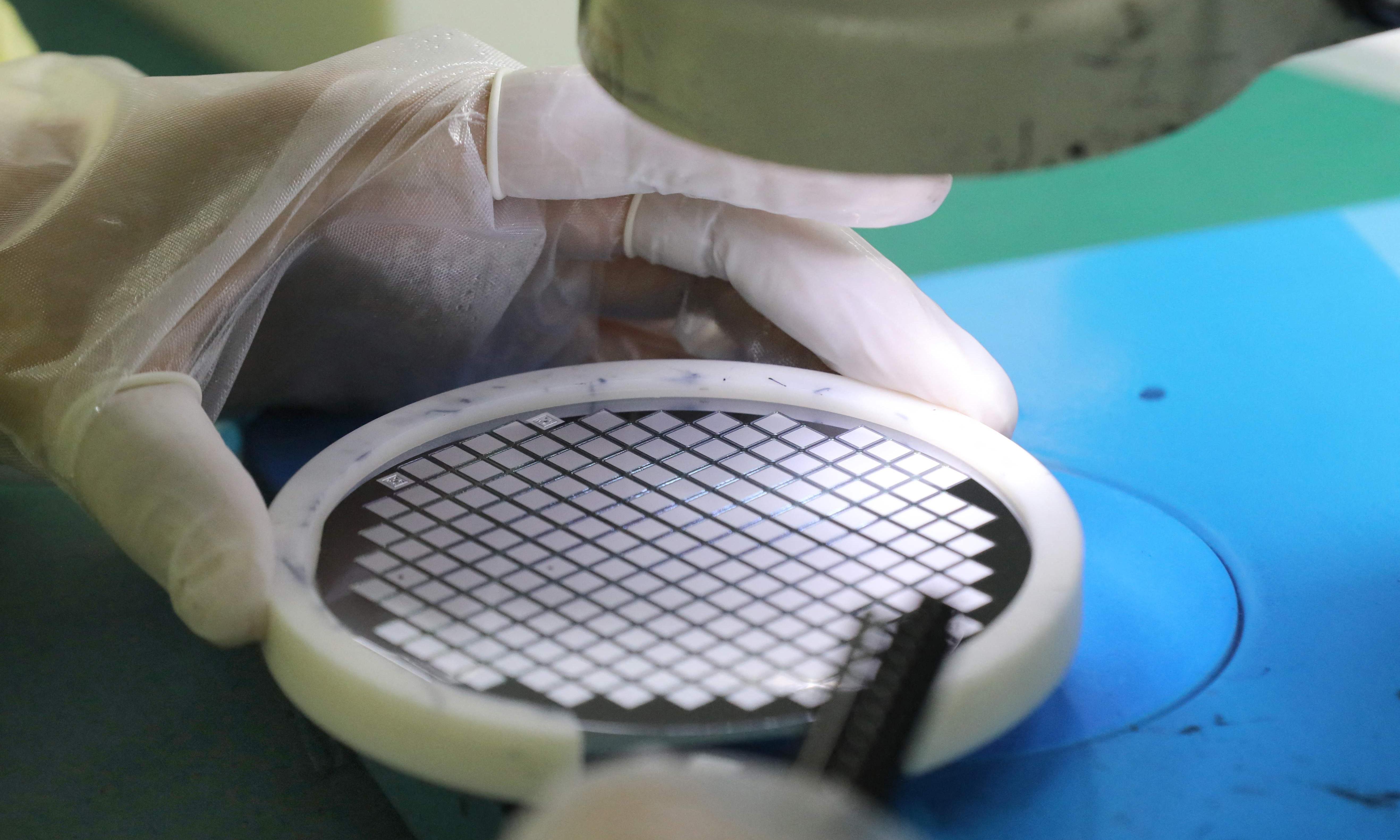
Union Budget Pushes Research in Semiconductors and Rare Earths
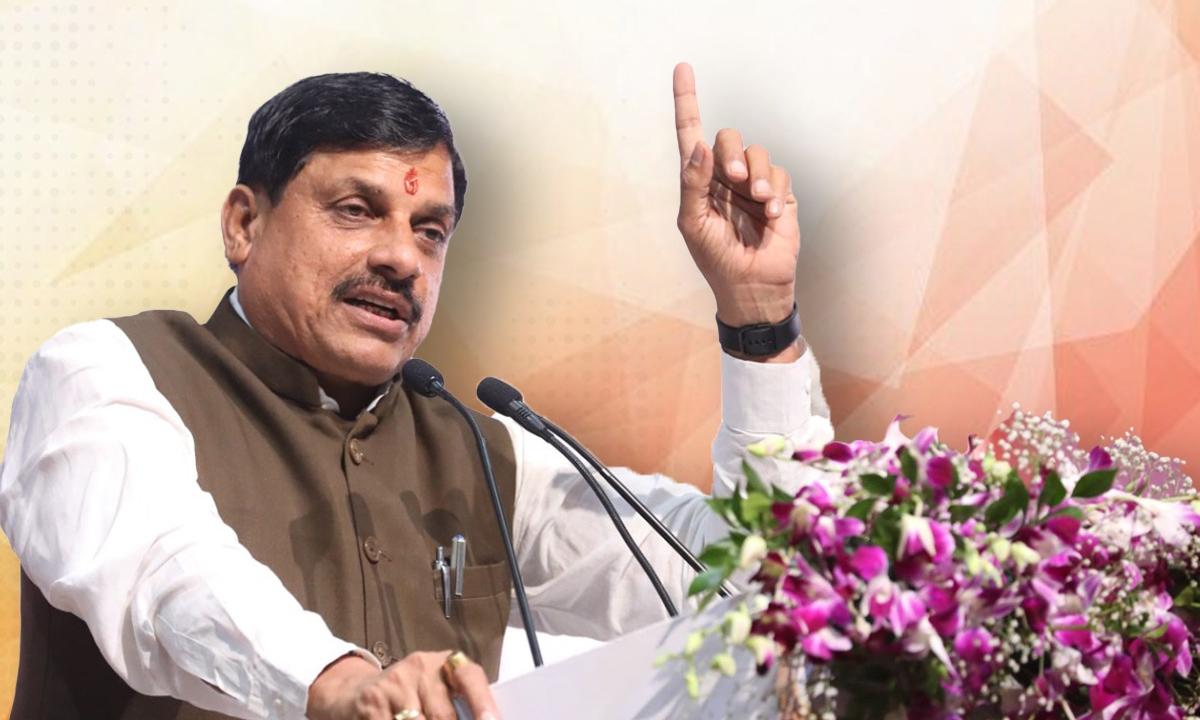
MP: Union Budget Embodies Spirit Of ‘Sabka Saath, Sabka Vikas’: Mohan Yadav

A disciplined pathway to future growth

Focus on structural levers of farm income growth, support to MSMEs to sustain consumption tailwinds
Union Budget 2026: Experiences, medical tourism, job creation part of big tourism push
Union Budget 2026: Biopharma SHAKTI And Education Reforms Signal Shift Towards Innovation-Led Growth
Budget FY27: India’s growth, reforms, and inclusive development take center stage
Budget proposes schemes to revive 200 legacy industrial clusters
Seven high-speed, one new freight corridor to transform transportation sector: Vaishnaw
Gross tax revenues projected to grow 8 pc to Rs 44.04 lakh cr in FY27
Sitharaman announces integrated textile programme. What it means for businesses, artisans

How poll-bound states stand to gain from Budget despite no specific proposals for them
The strategy behind the surplus: Analyzing the 2026 budget presser

Budget FY27 gives boost to high-speed, multimodal infra creation

Budget 2026-27 rolls out tax incentives for cooperatives
Budget 2026 is deliberately boring. Given the global climate, it’s a smart decision

Building towards a Viksit Bharat
Budget bets on minerals, manufacturing and decarbonisation to secure India’s energy future
Related news
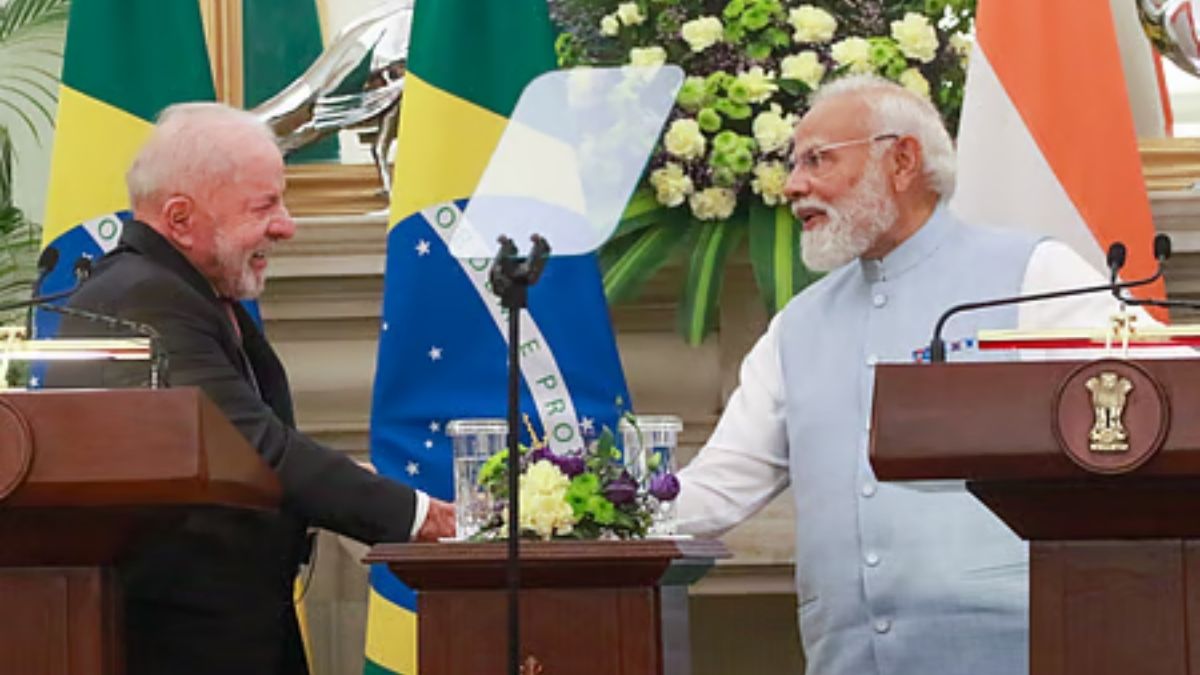
India, Brazil Agree to Double Trade by 2030

Maharashtra Orders Strict Compliance At Blood Centres After Inspections
India Tightens Sale Rules for Four CNS Drugs
India Requires Sterilisation Licence Numbers On Device Labels
UK TPO Gel Nail Phaseout Raises Indian Safety Questions