

10 months ago
Kolkata Cafes Embrace Matcha: From Trend to Ritual
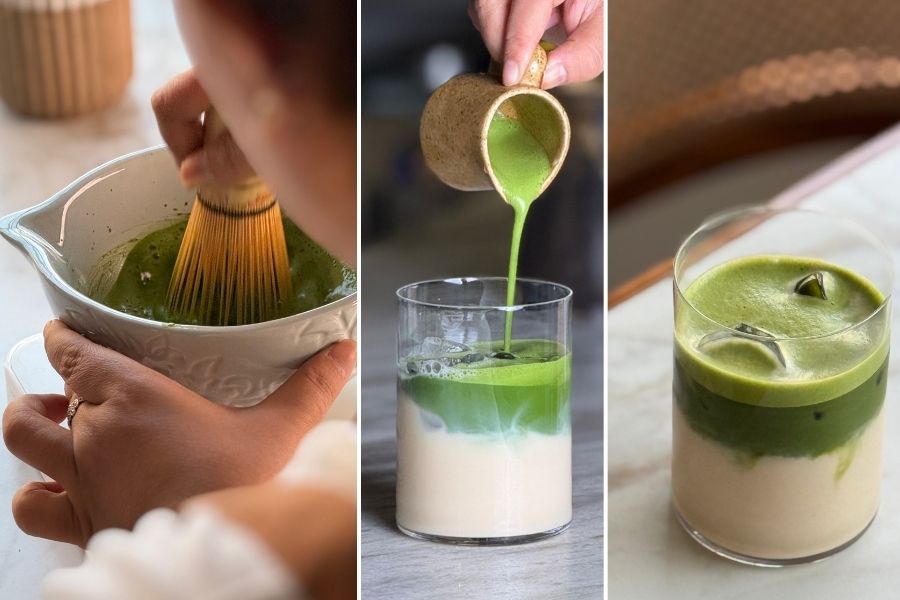
Imagine a special kind of green tea powder that you drink whole, not just steep!
It's called matcha and it comes from young tea leaves grown in Japan.
Farmers carefully grow, pick, and grind these leaves into a super fine, bright green powder.
Unlike regular green tea where you throw away the leaves, with matcha, you're drinking the actual leaf, which is why it tastes so strong and fresh, like grassy leaves.
To make it right, you need to whisk the powder with warm water using a special bamboo whisk, not just stir it.
If the powder is a dull color, it's probably not good matcha.
Cafes in Kolkata are starting to serve many matcha drinks, but some people still think it's just a pretty drink for photos.
Experts say that like coffee, matcha has its own special way of being enjoyed as a daily ritual for calm focus.

Matcha is powdered green tea leaves, consumed entirely, unlike steeped tea.
Authentic matcha comes from specific regions in Japan and requires careful cultivation and processing.
Proper preparation involves whisking the matcha powder with water using a bamboo whisk (chasen) to achieve a smooth texture.
Quality is determined by bright green color, fine texture, and balanced flavor; dull or brownish powder indicates lower quality or staleness.
While some see matcha as a trend, others are embracing it as a ritual for its calm, focused energy, similar to coffee's evolution.
- Who
- Ankita Sarkar (home brewer, content creator) and Ashmita Ghosh (Bright Hospitality, AMPM)
- What
- The growing popularity and proper understanding of matcha in Kolkata's café scene.
- Where
- Kolkata's cafes and homes.
- When
- Currently, with a look back at its evolving perception.
- Why
- To differentiate authentic matcha from imitations and educate consumers about its quality, preparation, and ritualistic consumption.
Matcha as a Fad
Matcha as a Ritual
Perception by Consumers
Matcha as a Fad
Many people order matcha for its Instagrammable aesthetics and bright green color, viewing it as a trendy beverage.
Matcha as a Ritual
A growing segment of consumers are appreciating matcha for its unique taste, ritualistic preparation, and calm, focused energy it provides.
Authenticity and Quality
Matcha as a Fad
There's confusion and widespread mislabeling, with many assuming any green powder is matcha, leading to a perception of a 'grassy' taste.
Matcha as a Ritual
Experts emphasize that true matcha comes from specific Japanese regions, has a bright green hue, and requires careful whisking; its flavor should be fresh and intense, not just 'grassy'.
Market Evolution
Matcha as a Fad
The market is flooded with variations like berry or mango matcha, suggesting a focus on novelty rather than the essence of the tea.
Matcha as a Ritual
The trajectory of matcha in Kolkata is compared to coffee's evolution, moving from simple cold coffee to appreciating single origins and tasting notes, indicating a deeper appreciation is developing.
Key facts
- Matcha Definition
- Powdered green tea leaves, where the entire leaf is consumed.
- Origin
- Specific Japanese regions like Uji, Kyoto, or Kagoshima (GI-tagged).
- Grades
- Ceremonial (top), Premium, Culinary (older leaves, more bitter).
- Preparation
- Traditionally whisked, not stirred, using a chasen (bamboo whisk).
- Key Preparation Steps
- Vigorous whisking in a W-pattern for froth, followed by slower strokes.
- Quality Indicators
- Bright green color, smooth texture, balanced umami and astringency.
- Storage
- Airtight containers, away from light and heat to prevent oxidation and bitterness.
Quotes
Ankita Sarkar
a home brewer and coffee content creator who runs a private matcha menu from her home café
“Matcha is like Turkish coffee and green tea is like drip coffee. Turkish coffee grounds are so fine that they dissolve in water, and you drink the whole thing. Similarly, matcha is powdered tea leaves — you drink the leaf itself.”
 telegraphindia.com
“There are two traditional styles. Usucha is thinner — you take two to three grams of matcha and whisk it with 80 to 100ml of warm water. It’s for tasting the quality of the matcha, like coffee cupping.”
telegraphindia.com
Ashmita Ghosh
head of marketing for Bright Hospitality and AMPM
“It has this nutty, umami flavour with a hint of sweetness. We use it in our Odyssey of Time cocktail, a tequila-based martini with a matcha garnish. It’s one of our bestsellers.”
telegraphindia.com
“For 70 per cent of people, it’s a trend. But some have started drinking it for the calm energy it gives. It’s not like coffee — no jitters, just slow focus.”
telegraphindia.com
