Archive · 20 Aug 2025
India Needs Better Early Warning Systems for Extreme Weather
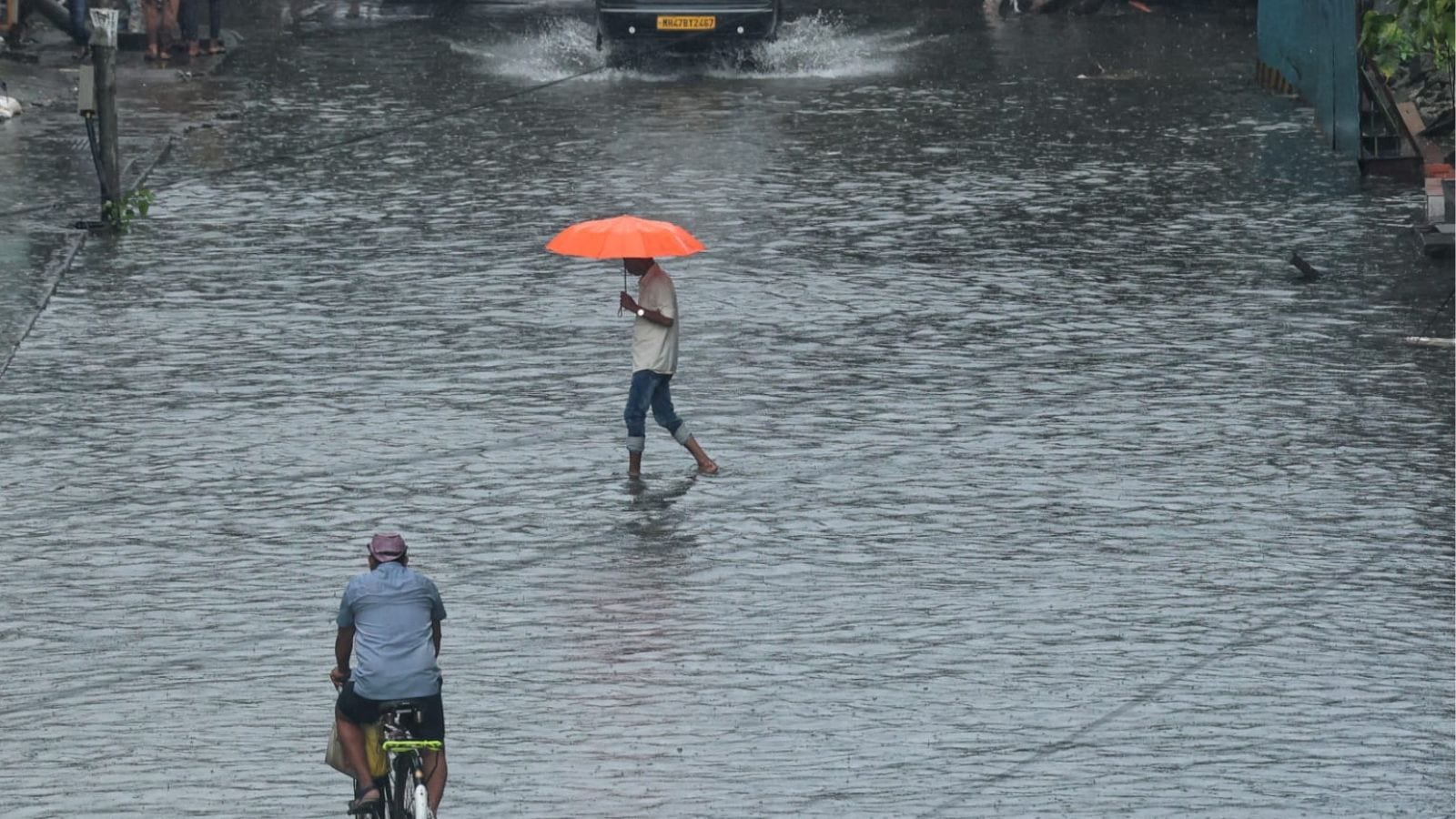
India is experiencing severe problems during the monsoon season.
Heavy rains called cloudbursts are causing flash floods and landslides.
These events have led to loss of life and damage to infrastructure.
The current weather systems in place have shown their weakness.
To help protect people, the government is working on better systems to predict and warn of extreme weather.
This includes using more weather instruments and advanced technology to analyze and share information.

Cloudbursts, flash floods, and landslides have caused havoc in several Indian regions.
Waterlogging and infrastructure damage have disrupted life in urban centers and caused fatalities.
Over 60 lives were lost in Jammu and Kashmir due to cloudbursts within a week.
Cloudbursts are linked to the interaction of monsoon and cold winds with Himalayan topography.
India's climate information system has shown vulnerabilities in the face of extreme weather.
- Who
- Residents of affected regions and the India Meteorological Department (IMD).
- What
- Increased cloudbursts, flash floods, and landslides causing damage and loss of life in India.
- When
- During the recent monsoon season.
- Where
- Northeast India, Uttarakhand, Himachal Pradesh, and Jammu and Kashmir.
- Why
- Vulnerabilities in the current climate information systems and extreme weather events.
Meteorological Systems
Residents' preparedness
Effectiveness of the current system
Meteorological Systems
The IMD is reportedly stepping up initiatives to fill information gaps and make maximum use of data.
Residents' preparedness
The current system lacks the technology for dense networks
- Affected Regions
- Northeast India, Uttarakhand, Himachal Pradesh, and Jammu and Kashmir
- Definition of Cloudburst
- Rain falling at a rate of 100 mm or more per hour over an area of about 30 sq km
- Main challenge
- Timely warning