

Archive · 28 Jul 2026
US Imposes 10% Tariff on Indian Imports
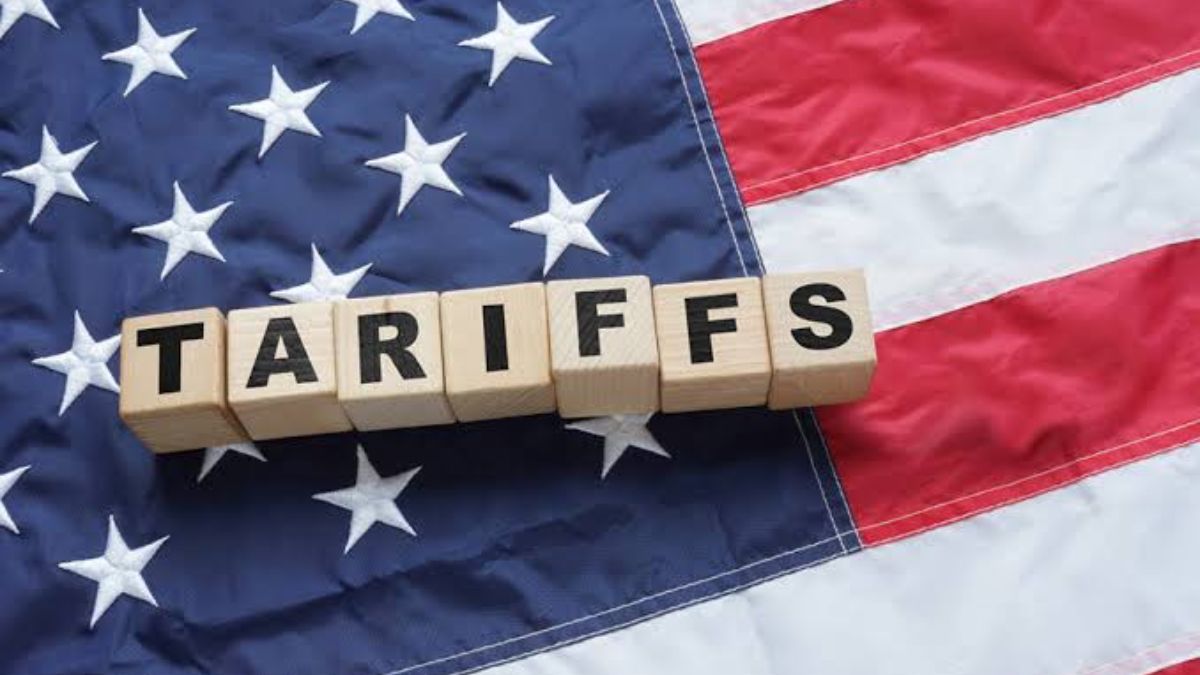
The United States has decided to add a 10% tax on goods imported from India.
This is because the US believes India needs to improve its rules on how workers are treated.
The tax will make Indian products more expensive in the US.
However, many important goods like medicines and farm products are not included in this tax.
India has strengths like a large workforce and good trade agreements, which might help it deal with this tax.
The main lesson is that countries need to focus on more than just low labour costs to stay competitive in the future.

The US imposed a 10% tariff on Indian imports under Section 301 of the Trade Act.
The tariff is effective from July 24 and aims to align India’s import regime with US expectations on forced labour.
Several countries, including Bangladesh, Pakistan, and China, face similar or higher tariffs.
Key sectors like pharmaceuticals, agricultural products, and semiconductor equipment are exempt from the tariff.
India’s competitive position may not be significantly affected due to its structural strengths and exemptions.
- Who
- United States
- What
- Imposed a 10% tariff on imports from India under Section 301 of the Trade Act
- When
- Effective July 24
- Where
- United States
- Why
- To align India’s import regime with US expectations on goods produced through forced labour
Pro-Tariff Perspective
Anti-Tariff Perspective
Economic Protectionism
Pro-Tariff Perspective
Tariffs protect domestic industries and correct trade imbalances.
Anti-Tariff Perspective
Tariffs increase costs for consumers and can lead to trade wars.
Labour Standards
Pro-Tariff Perspective
Tariffs encourage trading partners to adopt better labour practices.
Anti-Tariff Perspective
Tariffs are a form of economic coercion and can harm developing economies.
- Tariff Rate
- 10%
- Effective Date
- July 24
- Affected Countries
- India, Bangladesh, Pakistan, Sri Lanka, Cambodia, Indonesia, Malaysia, Mexico, Canada, UK
- Higher Tariff Rate
- 12.5% for China, Vietnam, Thailand, Türkiye, Brazil, South Africa, Philippines, Saudi Arabia
- Exempted Products
- Pharmaceuticals, pharma ingredients, agricultural products, semiconductor-manufacturing equipment, wood products, steel, aluminium, auto components