

Archive · 1 Jul 2025
India's Climate Taxonomy Must Include Loss and Damage
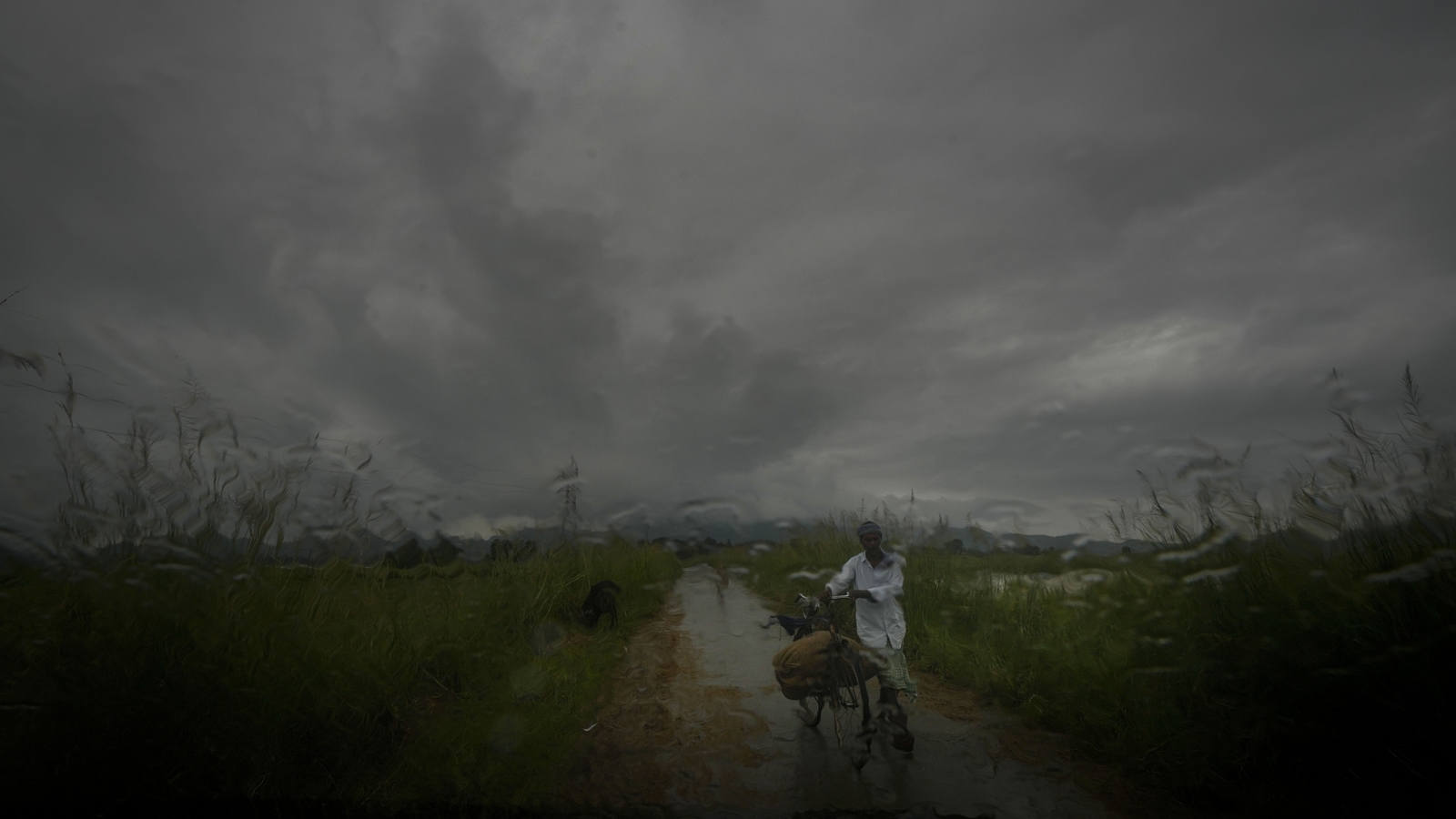
India is working on a plan to help fight climate change, called a climate taxonomy.
It helps decide what kind of investments are good for the environment.
But the plan doesn't talk about something called Loss and Damage, which is when people lose homes or jobs because of climate change, like floods or heat waves.
These losses are hard to deal with.
The author thinks the plan should include how to help people recover from these climate disasters, and it should offer funding for those recoveries.
This is important for countries like India, which is highly vulnerable to climate change and needs to prepare for the impacts.

India's draft climate taxonomy currently overlooks Loss and Damage (L&D).
L&D refers to climate change impacts beyond adaptation limits, including economic and non-economic losses.
The Global L&D Fund is underfunded compared to the estimated annual losses faced by developing countries.
India is highly climate-vulnerable, with many communities facing intensifying climate impacts.
Including L&D in the taxonomy could unlock domestic financing for recovery and support communities.
- Who
- Urban Governance Associate with Transitions Research.
- What
- The need to include Loss and Damage in India's climate taxonomy for financial support.
- When
- The draft climate taxonomy was recently released.
- Where
- India
- Why
- To provide financial pathways and support to communities impacted by climate change.
Advocates for L&D Inclusion
Current Climate Taxonomy
L&D Inclusion
Advocates for L&D Inclusion
Inclusion is vital for supporting communities.
Current Climate Taxonomy
Exclusion persists.
- Climate Taxonomy
- Drafted to align financial flows with climate goals in India
- L&D Definition
- Irreversible impacts of climate change beyond adaptation
- India's Climate Vulnerability
- Seventh most climate-vulnerable country globally
- World Bank Estimate
- Over 80% of India's population vulnerable to climate disasters
- Global L&D Fund
- Operationalized at COP28