

Archive · 14 Aug 2025
Kabul Faces Water Crisis: Running Dry by 2030
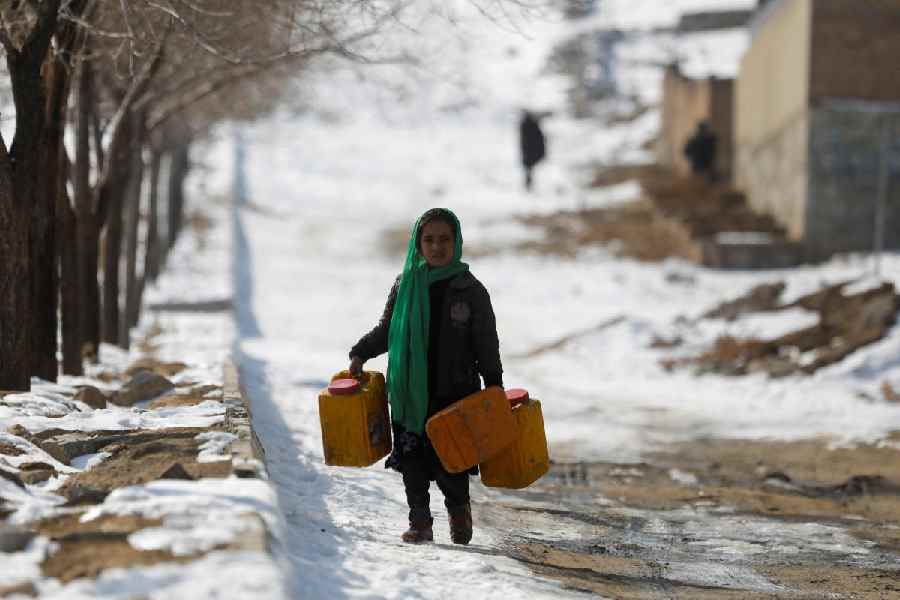
Kabul, a city with a growing population, is running out of water because of less rain, melting snow, and unregulated use of underground water.
People are fighting over the limited water available.
The city's water supply is disappearing much faster than it is being replaced, and the government hasn't been able to bring in water from other sources.
This water shortage is so severe that Kabul could become the first modern capital to run out of underground water.
As a result, families are struggling to get enough water for daily needs, and many people are being displaced due to water shortages across Afghanistan.

Kabul faces a severe water shortage, with potential water scarcity by 2030.
The city's water reserves are depleting at nearly twice the replenishment rate.
Unregulated wells and lack of water management exacerbate the crisis.
The Taliban administration faces challenges in addressing the water issue.
Water scarcity leads to conflicts and displacement within the population.
- Who
- The residents of Kabul and the Taliban administration.
- What
- Kabul is facing a severe water shortage.
- When
- By 2030, Kabul's water supply could be critically low.
- Where
- Kabul, Afghanistan.
- Why
- Due to scarcer rainfall, unregulated wells, and lack of water management.
Residents
Taliban
Access to water
Residents
Residents are in competition for water resources, resulting in conflict.
Taliban
The Taliban are unable to bring water from nearby dams and rivers
- Potential Water Scarcity
- By 2030
- Population of Kabul
- Six million
- Displacement due to climate change in Afghanistan (yearly)
- 700,000
- People without clean drinking water in Afghanistan
- One third of 42 million