

Archive · 26 Oct 2025
BRICS Nations Mull Grain Exchange and Reserves to Counter US Influence
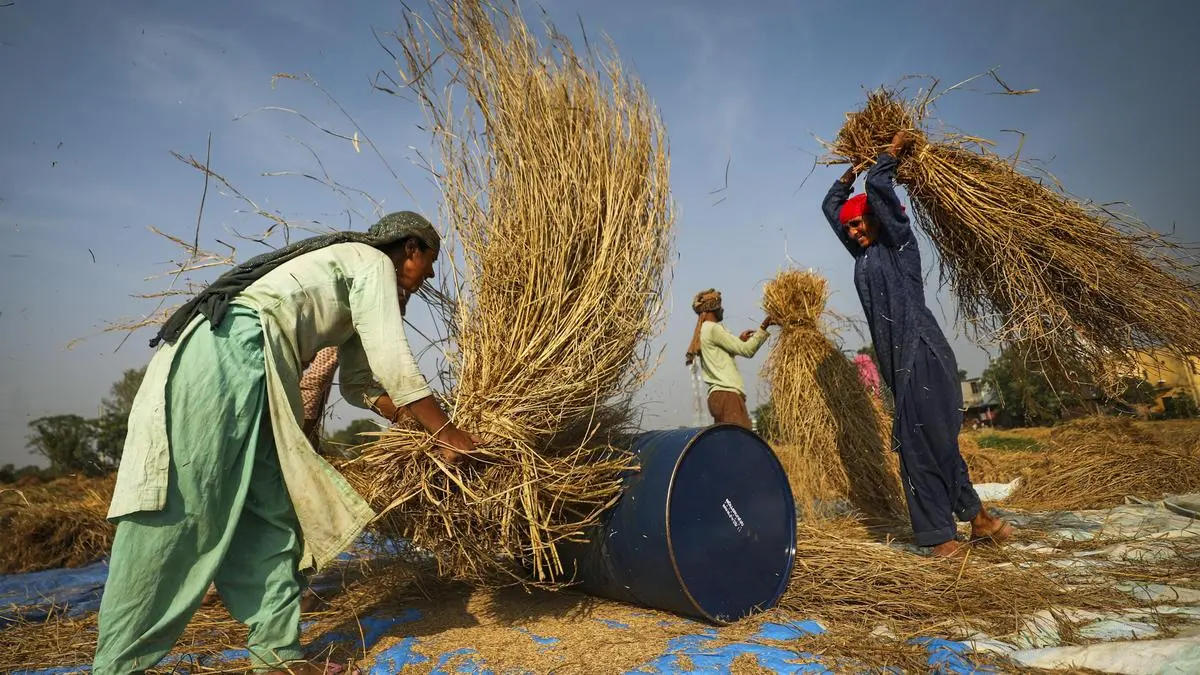
Imagine a group of countries, like BRICS, who want to trade grains like wheat and corn without always using the same trading place, like the US's CME.
Russia and Brazil have ideas.
Russia wants a new trading platform to save money, potentially $2.5 billion each year.
Brazil wants to create a food reserve, like a big pantry, to make sure they have enough food even if there are problems somewhere else.
The goal is to avoid depending too much on the US and deal with problems like rising prices.
If these plans work, it could help these countries trade more with each other and make their food supplies more secure.

BRICS nations are considering a grain exchange and food reserves.
The initiative aims to counter the influence of US-based trading platforms like CME.
Russia proposes a grain exchange; Brazil wants a food security reserve.
Pilot programs are planned with a full implementation targeted between 2026 and 2028.
The proposals aim to reduce reliance on the US market and mitigate global supply issues.
- Who
- BRICS nations, Russia, and Brazil
- What
- Exploring a grain exchange and food reserve to reduce reliance on the US and global market volatility.
- When
- Pilot programs are proposed for 2026, with full implementation targeted for 2026–2028. The news was published on October 26, 2025
- Where
- BRICS nations and global markets, with key proposals from Russia and Brazil
- Why
- To counter the influence of platforms like the CME and mitigate the impacts of US trade policies and global supply disruptions.
Challenges and Skepticism
Potential Benefits and Opportunities
Feasibility
Challenges and Skepticism
Experts highlight challenges with legal frameworks for cross-border sharing, suggesting the plans are more aspirational without binding commitments.
Potential Benefits and Opportunities
The proposals offer opportunities for increased trade and economic independence for BRICS nations
- Proposed Grain Exchange Launch
- Pilot in 2026, Full launch in 2027
- Key Proponents
- Russia and Brazil
- Potential Savings (per year)
- $2.5 billion (alleged)
- BRICS Grain Production Share
- 45% of global
- BRICS Export Share
- 25% of global
- Brazil's Grain Reserve Plan
- Focuses on physical reserves to combat supply issues