

Archive · 1 Feb 2026
Exiled Tibetans Vote to Choose Leaders
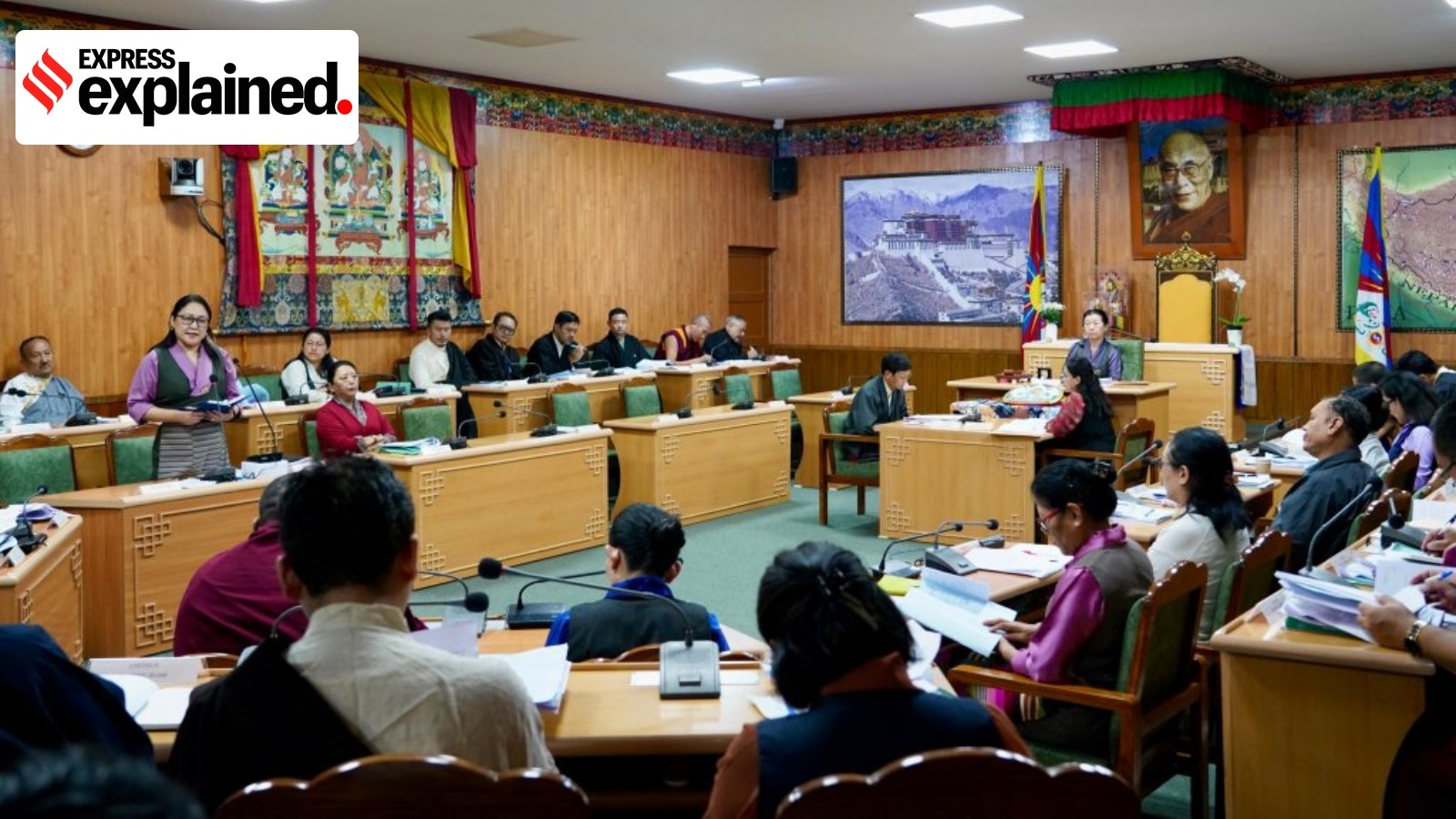
Tibetans living outside Tibet are voting to choose their leaders.
This is important because Tibet is controlled by China, and these elections help Tibetans in exile have a say in their own governance.
The elections are in two parts: the first part is on February 1 to shortlist candidates, and the final part is on April 26 to choose the winners.
The leaders they elect will represent them in matters like human rights, education, and talking to other countries.
The elections also show that Tibetans want to keep their culture and identity alive, even though they are not in their own country.
India, where many Tibetans live, allows these elections to happen, which sometimes causes tension with China.

Tibetans in exile worldwide are voting in two phases to elect the Central Tibetan Administration (CTA) leadership and Parliament.
The preliminary election on February 1 will shortlist candidates, and the final election on April 26 will decide the winners.
Key candidates for Sikyong (political leader) include incumbent Penpa Tsering and Kelsang Dorjee Aukatsang (Kaydor).
The CTA has three branches: Executive, Legislative, and Judiciary, with the Parliament consisting of 45 members representing Tibet's traditional provinces and diaspora.
The elections are significant as they assert Tibetan political identity and governance for the diaspora, especially amid China's control over Tibet.
- Who
- Tibetans in exile worldwide
- What
- Elections for the Central Tibetan Administration (CTA) leadership and Parliament
- When
- February 1 (preliminary) and April 26 (final)
- Where
- Globally, with the CTA headquartered in Dharamshala, India
- Why
- To determine the political leadership and legislative composition of the Tibetan government-in-exile and assert Tibetan political identity
- Election Dates
- February 1 (preliminary) and April 26 (final)
- Voter Eligibility
- Tibetans in exile aged 18+ with Green Book contributions
- Registered Voters
- 91,000 worldwide
- Key Candidates
- Penpa Tsering, Kelsang Dorjee Aukatsang (Kaydor)
- CTA Branches
- Executive, Legislative, Judiciary
- Parliament Seats
- 45 (10 each for Ü-Tsang, Kham, Amdo; 10 for religious traditions; 5 for diaspora)
- Election Oversight
- Central Tibetan Election Commission
- Significance
- Assertion of Tibetan political identity and governance for diaspora