

Archive · 2 Aug 2025
FBI Redacts Trump's Name in Epstein Files, Prompting Scrutiny
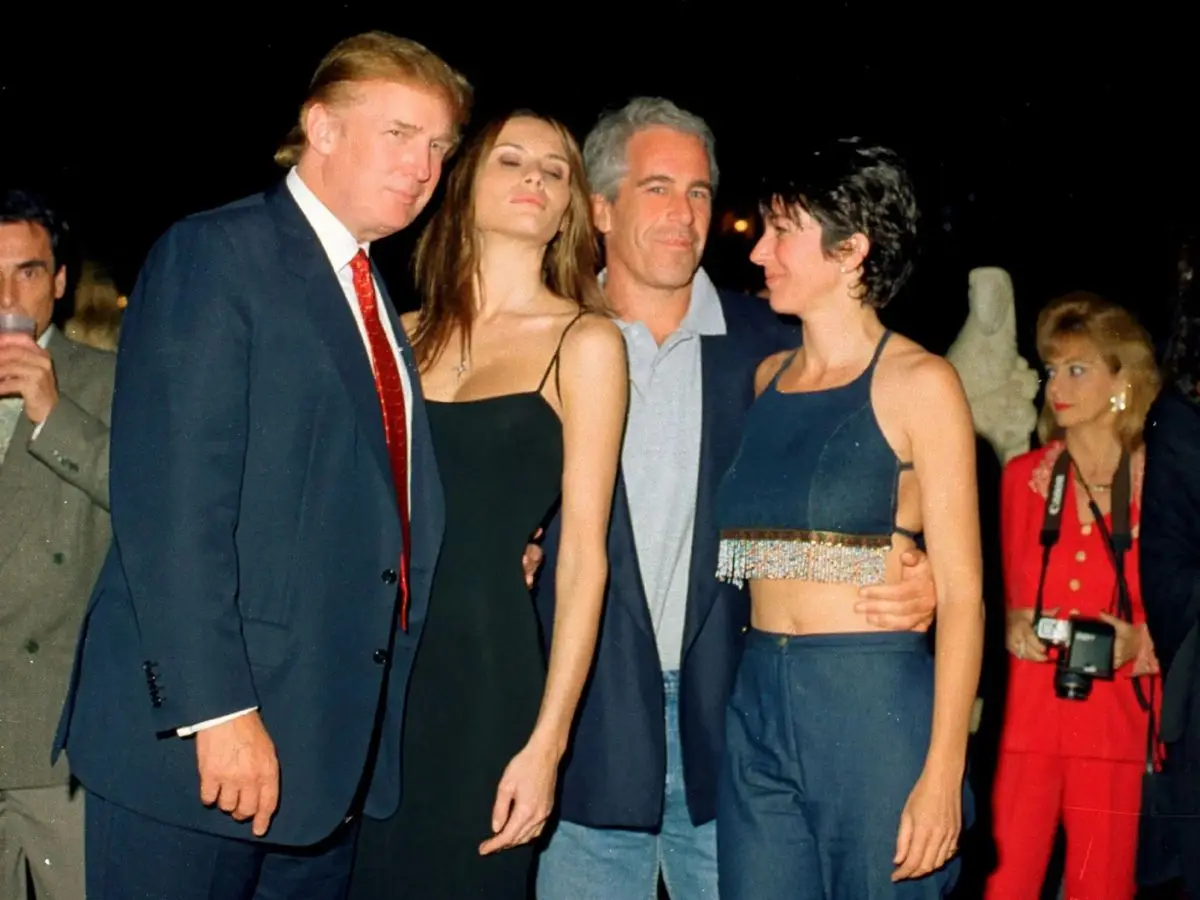
The FBI removed Donald Trump's name from some documents about the Epstein case.
A senator asked why this was done and if it was done for a specific reason.
The FBI reportedly used two rules to justify this.
One rule protects people's private information, and the other protects personal information in law enforcement records.
Because Trump was a private citizen when the investigation started, it was felt that releasing documents that could cause him embarrassment was not allowed.

The FBI redacted former President Donald Trump's name from Epstein-related documents.
Senator Richard Durbin questioned the FBI's decision to redact Trump's name.
Durbin inquired about why personnel were told to flag records mentioning Trump.
The Bloomberg report cites two exemptions used for the redaction of Trump's name.
Exemptions 6 and 7C were applied to protect personal privacy and personal information in law enforcement records.
- Who
- The FBI and Senator Richard Durbin were involved.
- What
- The FBI redacted Donald Trump's name from Epstein-related documents.
- When
- Details are from a recent report.
- Where
- The redactions occurred in documents.
- Why
- The FBI cited privacy exemptions.
Concerns about Transparency
Protecting Privacy
Redaction Rationale
Concerns about Transparency
Some question the need for redactions, suggesting they may hide potentially relevant information or shield individuals from accountability.
Protecting Privacy
The redactions are necessary to protect personal privacy and personal information in law enforcement records.
- Subject
- Epstein Files
- Redaction
- Donald Trump's name
- Inquiry
- Senator Richard Durbin
- Exemption 6
- Unwarranted invasion of personal privacy
- Exemption 7C
- Personal information in law enforcement records