

Archive · 6 Jan 2026
Charles Ponzi's Scam Lives On
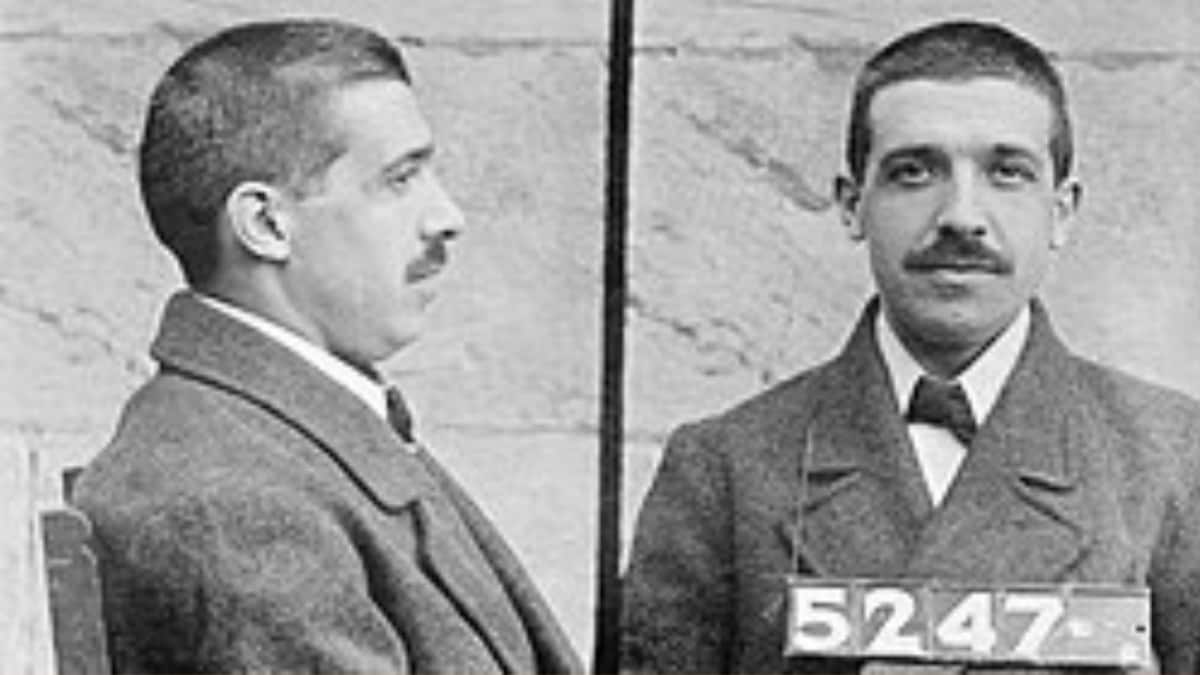
Charles Ponzi was a man who tricked many people into giving him their money by promising them huge returns quickly.
He used a method where he paid earlier investors with money from new investors, creating the illusion of a successful business.
This trick, now known as a Ponzi scheme, continues to be used by scammers today.
People are often tempted by the promise of easy money and ignore the risks, leading to financial losses.
Ponzi's story serves as a warning about the dangers of such schemes and the importance of being cautious with investments.

Charles Ponzi promised 50% returns in 45 days using International Reply Coupons (IRCs), but the scheme was unsustainable.
Ponzi paid early investors quickly to gain trust and attract more people, creating a psychological trap.
At his peak, Ponzi collected $250,000 a day and had around 40,000 investors, many of whom lost their life savings.
The scheme collapsed when it was exposed that the numbers did not add up, leading to Ponzi's arrest and the financial ruin of thousands.
Ponzi schemes continue today in various forms, such as crypto scams and fake investment clubs, relying on the same psychological tricks.
- Who
- Charles Ponzi, an Italian-born con artist who moved to the United States.
- What
- A financial fraud known as a Ponzi scheme, where returns are paid to earlier investors using money from new investors.
- When
- Charles Ponzi's scheme was active in the early 20th century, and the term 'Ponzi scheme' continues to be used for similar frauds today.
- Where
- The scheme originated in the United States, and similar scams continue to occur globally, including in India.
- Why
- Ponzi schemes exploit human psychology, promising easy money and playing on greed and hope, often leading to financial ruin for many.
- Name
- Charles Ponzi
- Birth Year
- 1882
- Birth Place
- Italy
- Death Year
- 1949
- Peak Daily Collection
- $250,000
- Number of Investors
- 40,000
- Promised Returns
- 50% in 45 days
- Scheme Basis
- International Reply Coupons (IRCs)