

Archive · 25 Jul 2026
Legal Challenge to Police Surveillance at Jantar Mantar
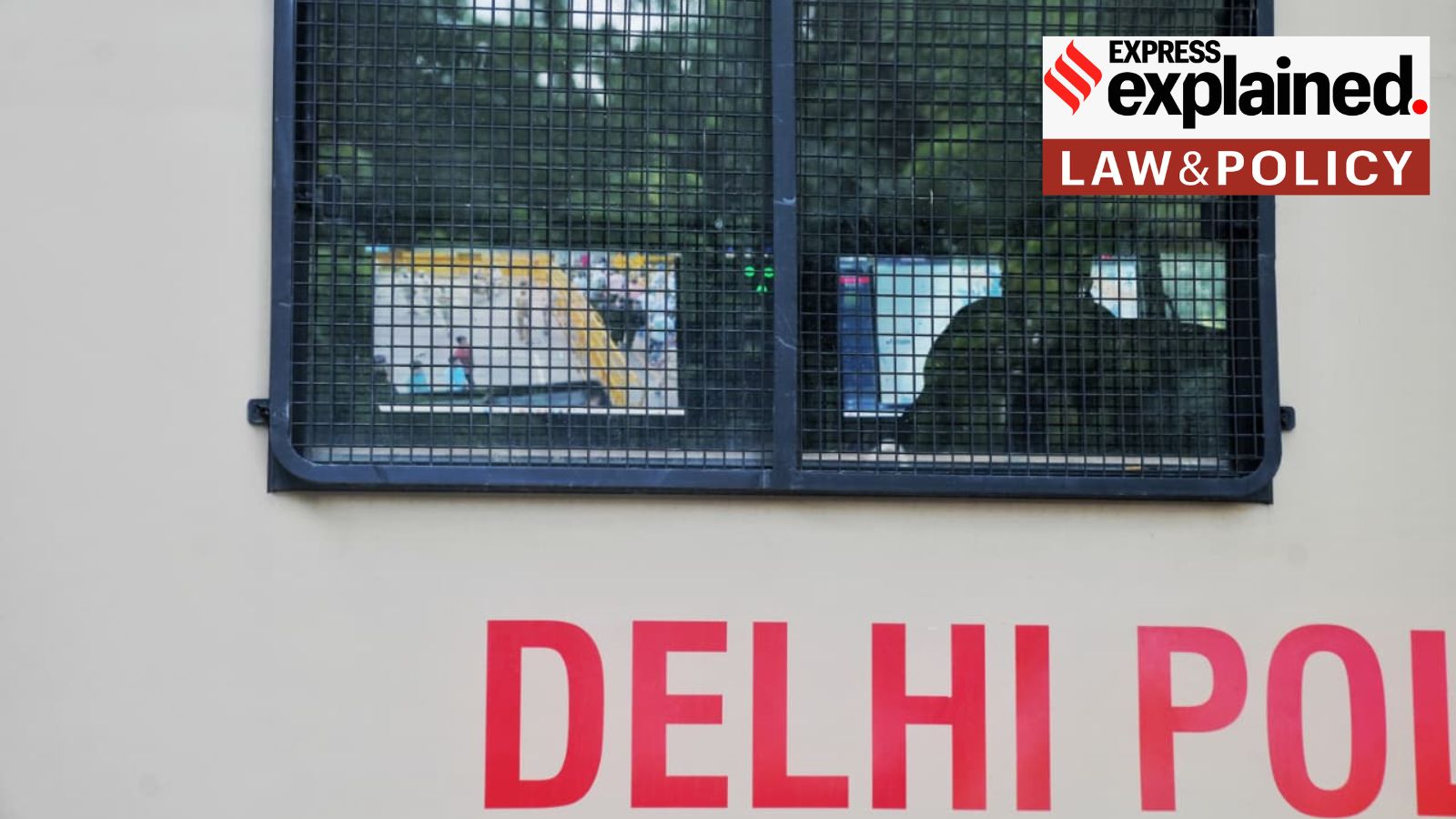
A former student leader has filed a legal challenge against the Delhi Police for using surveillance cameras and facial recognition technology to monitor protesters at Jantar Mantar.
The petition argues that this surveillance violates privacy rights, lacks legal authority, and is used to intimidate protesters.
The government defends the surveillance as a necessary measure for public safety.
The case highlights the lack of clear regulations on the use of such technology in India, contrasting with stricter laws in the European Union.

A PIL challenges Delhi Police's use of surveillance and facial recognition at Jantar Mantar.
The petition argues that the surveillance is unconstitutional and violates privacy rights.
The government defends the surveillance as a standard law-and-order measure.
India lacks a dedicated legal framework for regulating facial recognition technology.
The EU's Artificial Intelligence Act, 2024, provides stricter regulations on biometric surveillance.
- Who
- Aishe Ghosh, former Jawaharlal Nehru University Students’ Union president
- What
- Legal challenge to police surveillance and facial recognition technology at Jantar Mantar
- When
- Ongoing legal proceedings in the Delhi High Court
- Where
- Jantar Mantar, Delhi
- Why
- To address concerns over privacy rights and the legality of surveillance
Petitioner's Argument
Government's Defense
Surveillance Legality
Petitioner's Argument
The surveillance is unconstitutional and lacks statutory authority, procedural safeguards, or justification.
Government's Defense
Videography of protests is a standard law-and-order measure for public safety.
Privacy in Public Spaces
Petitioner's Argument
Privacy rights are violated even in public spaces, especially for vulnerable individuals like women.
Government's Defense
Privacy claims in public gatherings are moot as protesters and influencers also record and broadcast videos.
- Petitioner
- Aishe Ghosh
- Location
- Jantar Mantar, Delhi
- Technology Used
- Facial recognition and surveillance cameras
- Legal Basis
- Articles 14, 19, and 21 of the Indian Constitution
- Government's Stance
- Surveillance is necessary for public safety
- Global Parallel
- EU's Artificial Intelligence Act, 2024