11 months ago
GST Reforms Expected to Boost the Fertilizer Sector

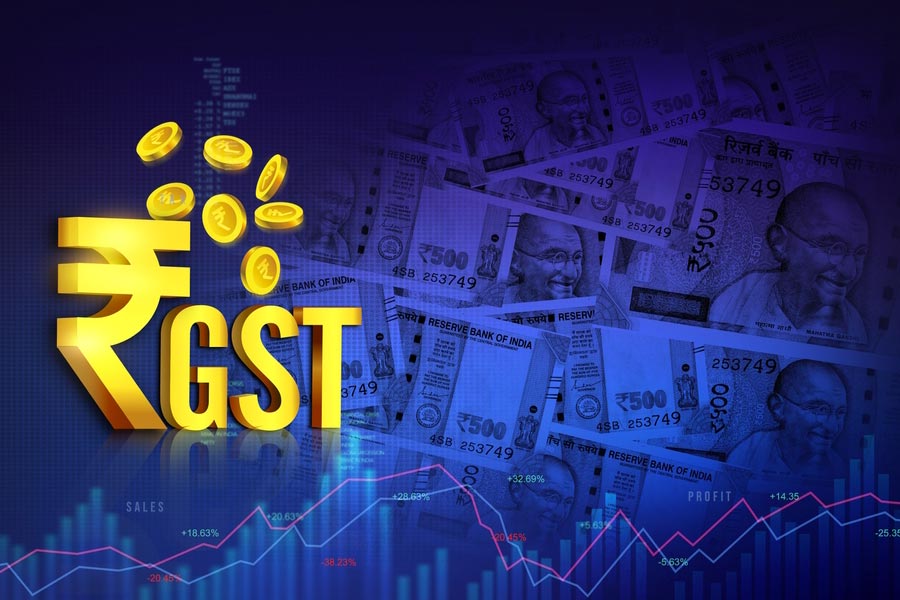
The government has changed the Goods and Services Tax (GST) rules for fertilizers.
This means that companies that make fertilizers will pay less for the things they need to make them.
Also, the GST on important nutrients has been lowered.
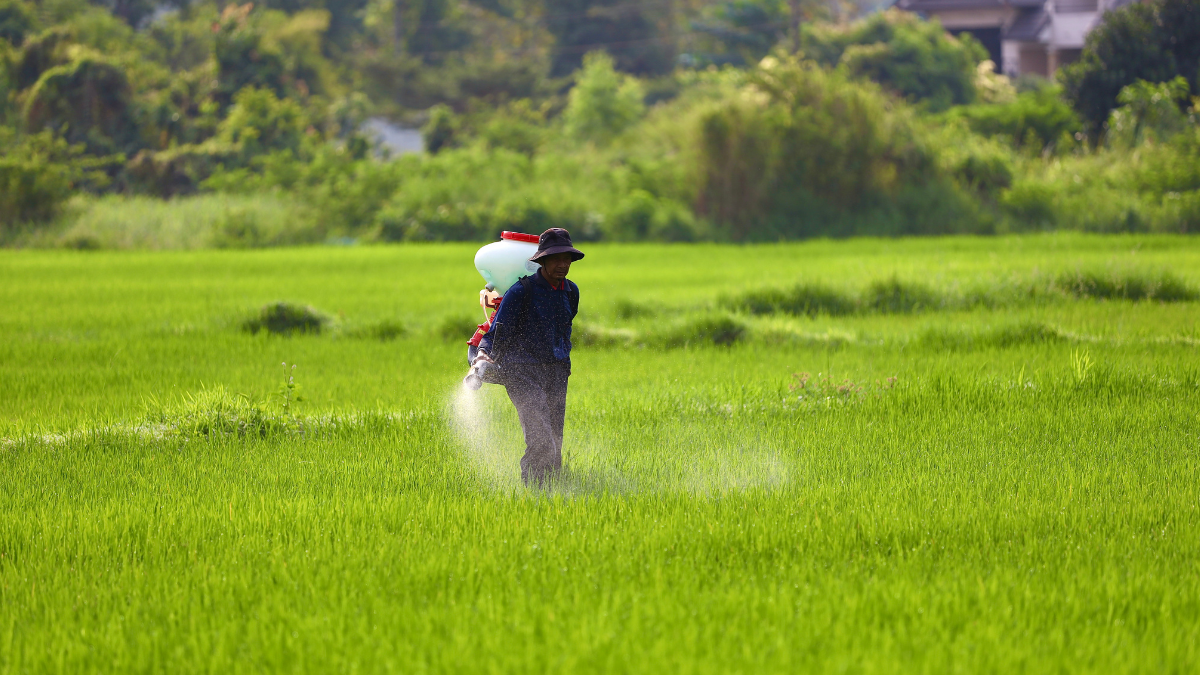
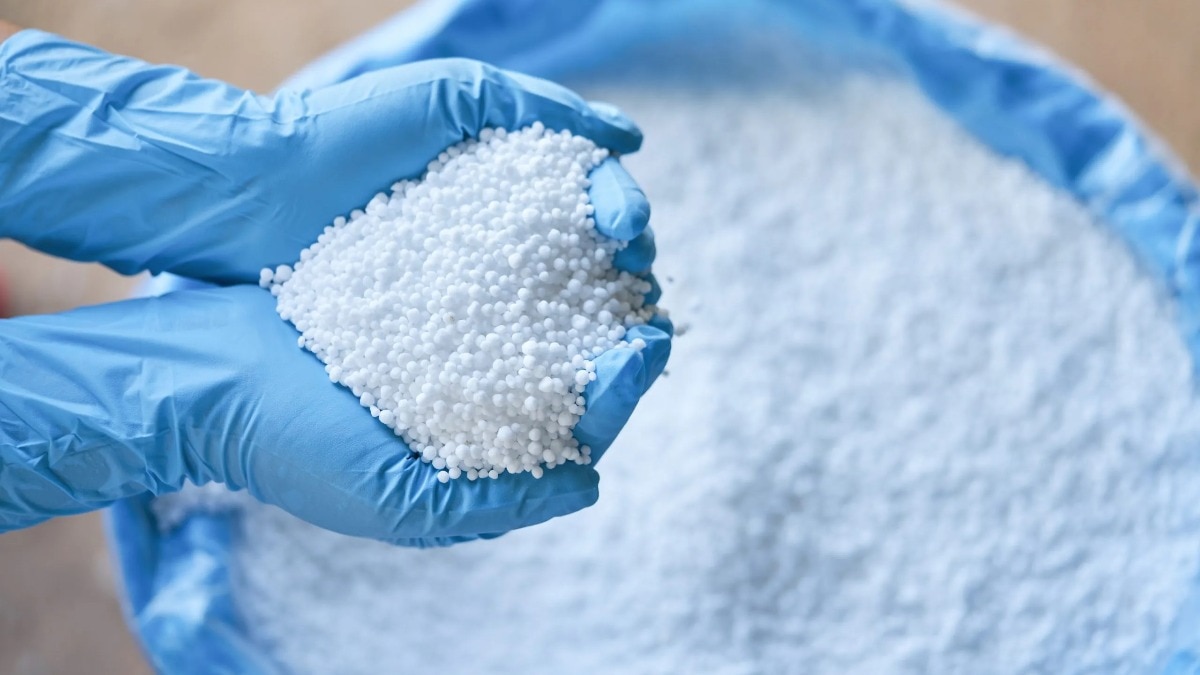
This should make fertilizers cheaper for farmers.
These changes are expected to help fertilizer companies make more fertilizers and will help farmers.
The aim is also to encourage farmers to use fertilizers in a balanced way so they can keep their soil healthy and it will align with government's mission for natural farming.

The GST rates for essential inputs have been reduced.
The GST reduction will encourage the domestic production of fertilizers.
Fertilizers will become more affordable for farmers.
The reduction will encourage PM-PRANAM Scheme to reduce chemical fertilizer use.
It will promote the ‘Balanced Use of Fertilizers’.
- Who
- National Fertilizers Limited (NFL), farmers, and fertilizer companies
- What
- India's GST reforms are expected to boost the fertilizer sector.
- Where
- India
- When
- The GST reforms have been implemented.
- Why
- Reduced costs for raw materials will encourage domestic production, and make fertilizers affordable to farmers.
Key facts
- GST Reduction
- From 18% to 5% on inputs (ammonia, sulfuric acid, nitric acid) and from 12% to 5% on micronutrients
- Beneficiary
- Fertilizer sector and farmers
- Impact on Production
- Encourages domestic fertilizer production due to reduced raw material costs
- Scheme
- PM-PRANAM (PM Programme for Restoration, Awareness Generation, Nourishment and Amelioration of Mother-Earth) to encourage sustainable farming
- Goal
- Promotes balanced fertilizer use
Quotes
Chief minister Mamata Banerjee
Chief Minister of West Bengal
“Funds for 100 days’ work, Awas Yojana, roads, Jal Swapno, and Sarva Shiksha Abhiyan have all been stalled.”
 telegraphindia.com
“The Centre has not spent a single penny for this relief — it has all come from state government coffers.”
telegraphindia.com
Bijoy Ghosh
a farmer from East Burdwan’s Khandoghosh
“The recent cut of seven to 12 per cent GST on fertilisers will not bring any relief to us until the government ensures adequate supply and prevents their sale at inflated prices above MRP (maximum retail price).”
telegraphindia.com
“The government must first monitor black marketing and ensure adequate supply according to the specific demand of each area.”
telegraphindia.com
Pradip Majumdar
the panchayat minister and agriculture adviser to chief minister Mamata Banerjee
“I completely agree with the farmers that reducing the GST will have no impact if the central government continues its step-motherly attitude towards fertiliser supply during peak seasons.”
telegraphindia.com
“Farmers are forced to buy non-essential fertilisers as a condition for receiving subsidised ones.”
telegraphindia.com
another farmer from East Burdwan
A farmer from East Burdwan
“We have no choice, as retailers flatly refuse to sell fertilisers unless we pay extra.”
telegraphindia.com
“They always claim they are forced to buy from the black market.”
telegraphindia.com
Soumen Sarkar
a potato farmer from Hooghly’s Arambagh
“A 50kg bag of fertiliser that we bought at₹1,800 last month now costs ₹1,950.”
telegraphindia.com
“So, even though GST has been reduced, it has no real impact on us.”
telegraphindia.com