Archive · 24 Nov 2025
Freebies' Impact on Elections: Bihar vs Delhi
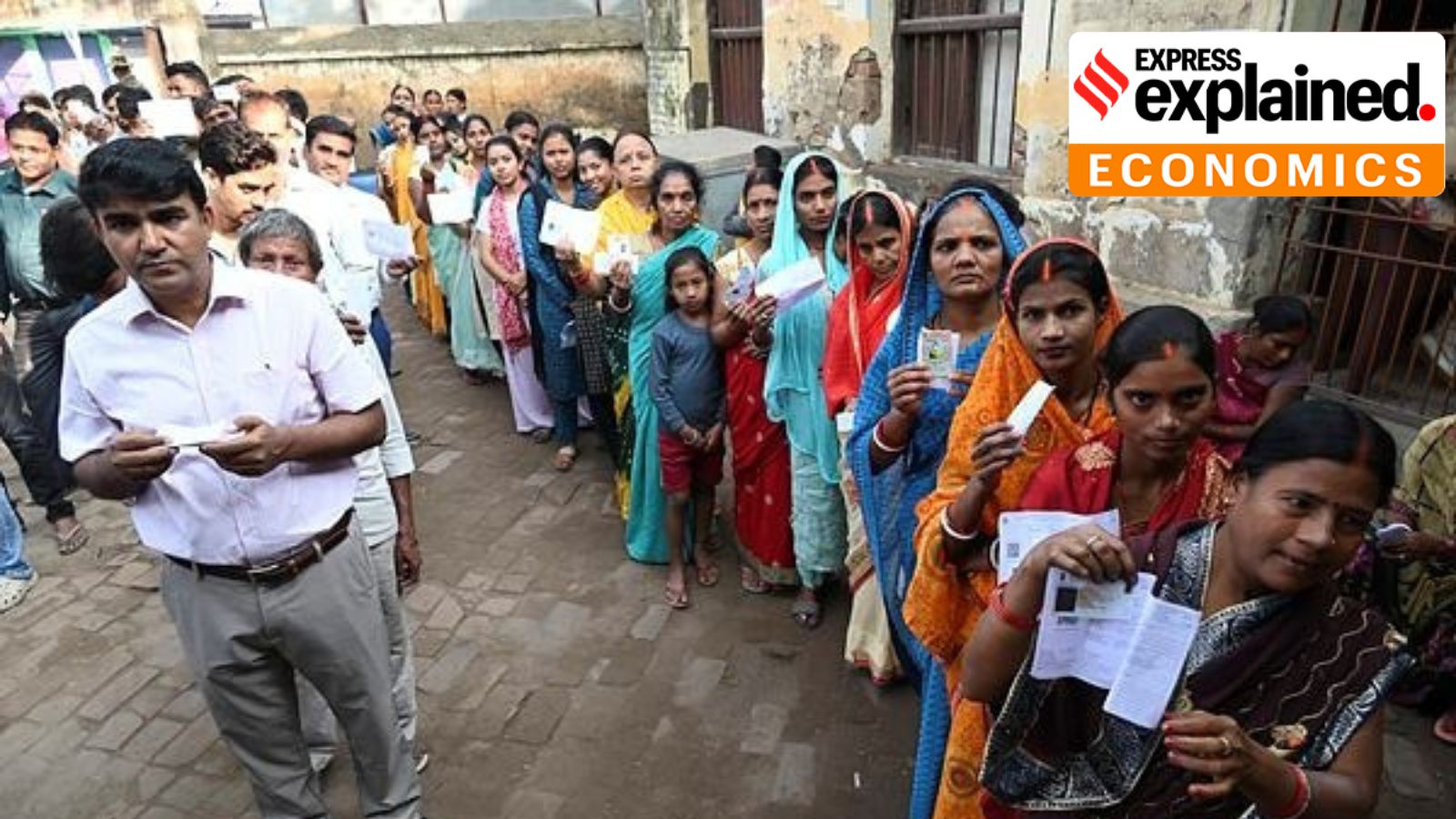
In the recent elections in Bihar and Delhi, political parties used targeted welfare measures, or 'freebies,' to attract voters.
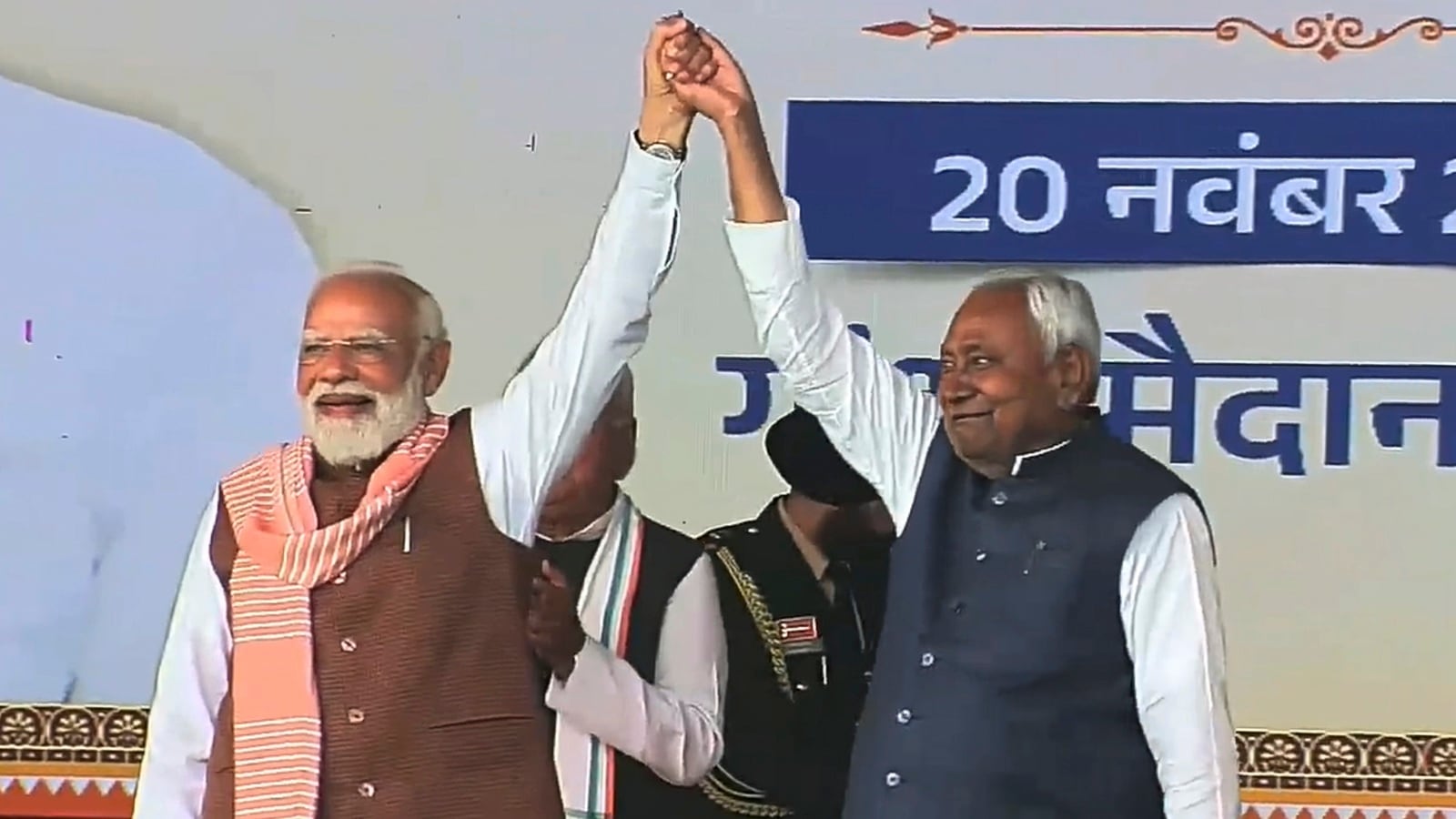
In Bihar, the ruling party offered benefits like free electricity and increased pensions, which seemed to help them win.
In Delhi, the same strategy didn't work as well for the opposition.
The article explains that while freebies can help poor voters, they might not be as effective in places where people are becoming more economically stable.
It also talks about how improving public services like schools and hospitals is important for long-term growth.
The writer suggests that for India to progress, political parties should focus on credible promises and planned development rather than just offering freebies.

Bihar's NDA government offered targeted benefits like free electricity and increased pensions, which appeared electorally rewarding.
Delhi's AAP promised benefits like monthly allowances for unemployed women and priests, but these did not yield significant electoral gains.
Targeted welfare measures can create a patron-client relationship, benefiting political parties in the short term but undermining long-term public goods.
Bihar's economic growth and reduction in multidimensional poverty improved the incumbent's credibility, aiding electoral success.
Delhi's economic prosperity and reduced inequality made voters less responsive to targeted welfare benefits.
- Who
- Political parties in Bihar and Delhi
- What
- Impact of targeted welfare measures (freebies) on election outcomes
- When
- Recent elections in Bihar and Delhi
- Where
- Bihar and Delhi, India
- Why
- To understand the effectiveness of targeted welfare measures versus public goods in electoral success and long-term economic impact
- Bihar's Multidimensional Poverty Reduction
- 18.13 percentage points between 2015-16 and 2019-21
- Bihar's Per Capita NSDP (2022-23)
- Rs 53,478
- All-India Per Capita NSDP (2022-23)
- Rs 1,71,822
- Delhi's Urban MPCE
- 22% higher than national average
- Gini Coefficient Decline (2011-12 to 2023-24)
- 0.363 to 0.284
- Rural-Urban MPCE Gap (2011-12 to 2023-24)
- 83.9% to 69.7%
- Bihar's Regular Formal Workers (2005-2022)
- 2.13% to 3.23%
- Bihar's Economic Growth (2011-12 to 2023-24)
- 3.5 times increase