

Archive · 13 Sep 2025
India's Battery Recycling Revolution: A $3.5 Billion Green Opportunity
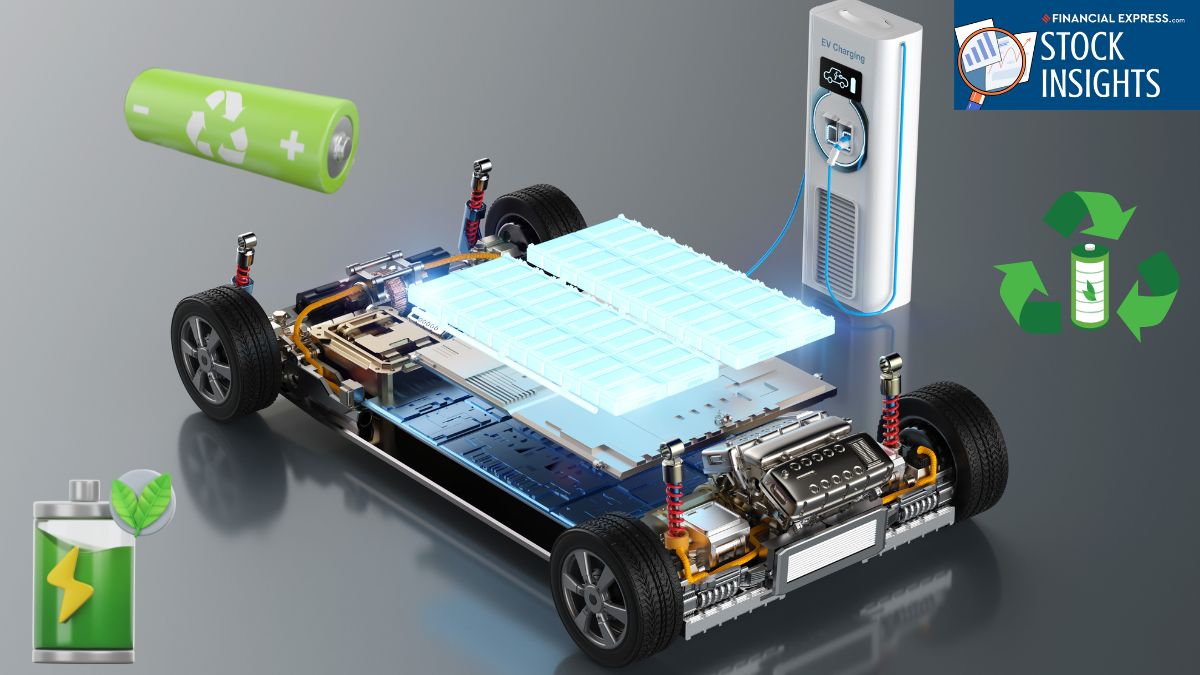
India's electric vehicle market is growing fast, but old batteries create a big trash problem.
To fix this, companies are setting up recycling plants.
These plants take apart old batteries and reuse the materials.
The government has rules to make this happen, creating a USD 3.5 billion business and thousands of jobs.
Several companies like Gravita India and Exide are building these recycling facilities.
This helps the environment, cuts down on waste, and reduces the need to import materials.
It's like giving batteries a second life.

India's EV market growth necessitates a robust battery recycling industry to manage waste.
The Battery Waste Management Rules (2022) and EPR are driving the formalization of battery recycling.
The market could generate a USD 3.5 billion lithium-ion recycling economy by 2030.
Companies like Gravita India and Exide Industries are at the forefront of the recycling revolution.
Valuations for recycling companies currently trade at a premium, with market confidence high.
- Who
- Multiple companies, including Gravita India, Exide Industries, and Amara Raja, are leading the charge.
- What
- India is building a battery recycling industry to handle the growing EV battery waste.
- When
- The industry is developing now, with significant expansion expected by 2030.
- Where
- India.
- Why
- To address the environmental impact of EV batteries, capitalize on a USD 3.5 billion economic opportunity, and comply with new regulations.
- Potential Economy by 2030
- USD 3.5 billion
- Jobs Created
- Up to 41,000
- Companies Mentioned
- Gravita India, Pondy Oxides, NILE, Exide Industries, Amara Raja, Tata Chemicals
- Battery Waste Management Rules
- Implemented in 2022
- Exide Recycling Capacity
- 3,45,600 tonnes
- Gravita India recycling capacity by FY28
- 7 lakh MTPA