

Archive · 13 Jun 2025
New Quishing Fraud: Cybercriminals Use QR Codes to Steal Data
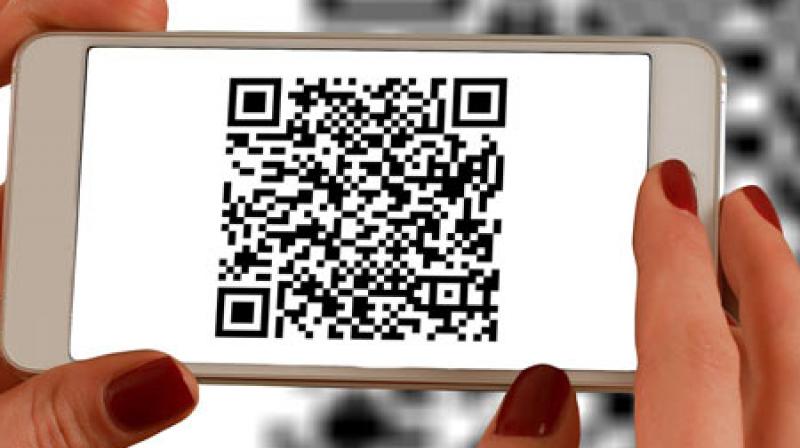
Imagine QR codes are like secret doors.
Criminals are putting up fake doors (QR codes) that look like they lead to something good, like a payment or a website.
But instead, these fake doors take you to a place where they can steal your information or put bad programs on your phone or computer.
Always check who sent the QR code before scanning, and be careful about entering your passwords or sharing personal info after scanning.
If you think you've been tricked, tell the cybercrime helpline right away!

The Union Ministry of Electronics and Information Technology (MeitY) issued a public alert about quishing.
Quishing uses QR codes to steal data or install malware.
Cybercriminals embed malicious QR codes in emails, messages, and ads.
Scanning a malicious QR code can lead to fake login pages or fraudulent payment gateways.
Officials urge verifying QR codes, avoiding those from unknown sources, and reporting fraud.
- Who
- Cybercriminals use quishing to trick users.
- What
- A phishing technique called quishing uses QR codes to steal sensitive data or install malware.
- When
- The Union Ministry of Electronics and Information Technology (MeitY) issued a public alert recently.
- Where
- The alert and related discussions are centered in Hyderabad.
- Why
- To steal sensitive data and install malware.
Cybercrime Officials
Criminals
Public Safety
Cybercrime Officials
Advocate for vigilance and awareness.
Criminals
N/A
- Threat Type
- Quishing (QR code phishing)
- Target
- Sensitive data and malware installation
- Method
- Malicious QR codes
- Primary Vector
- Emails, messages, ads, etc.
- Recommendation
- Verify QR codes before scanning; avoid unknown sources.
- Reporting
- National cybercrime helpline 1930 or www.cybercrime.gov.in.