

Archive · 17 Aug 2025
Himachal's Jodidara Tradition Fades in Modern Times
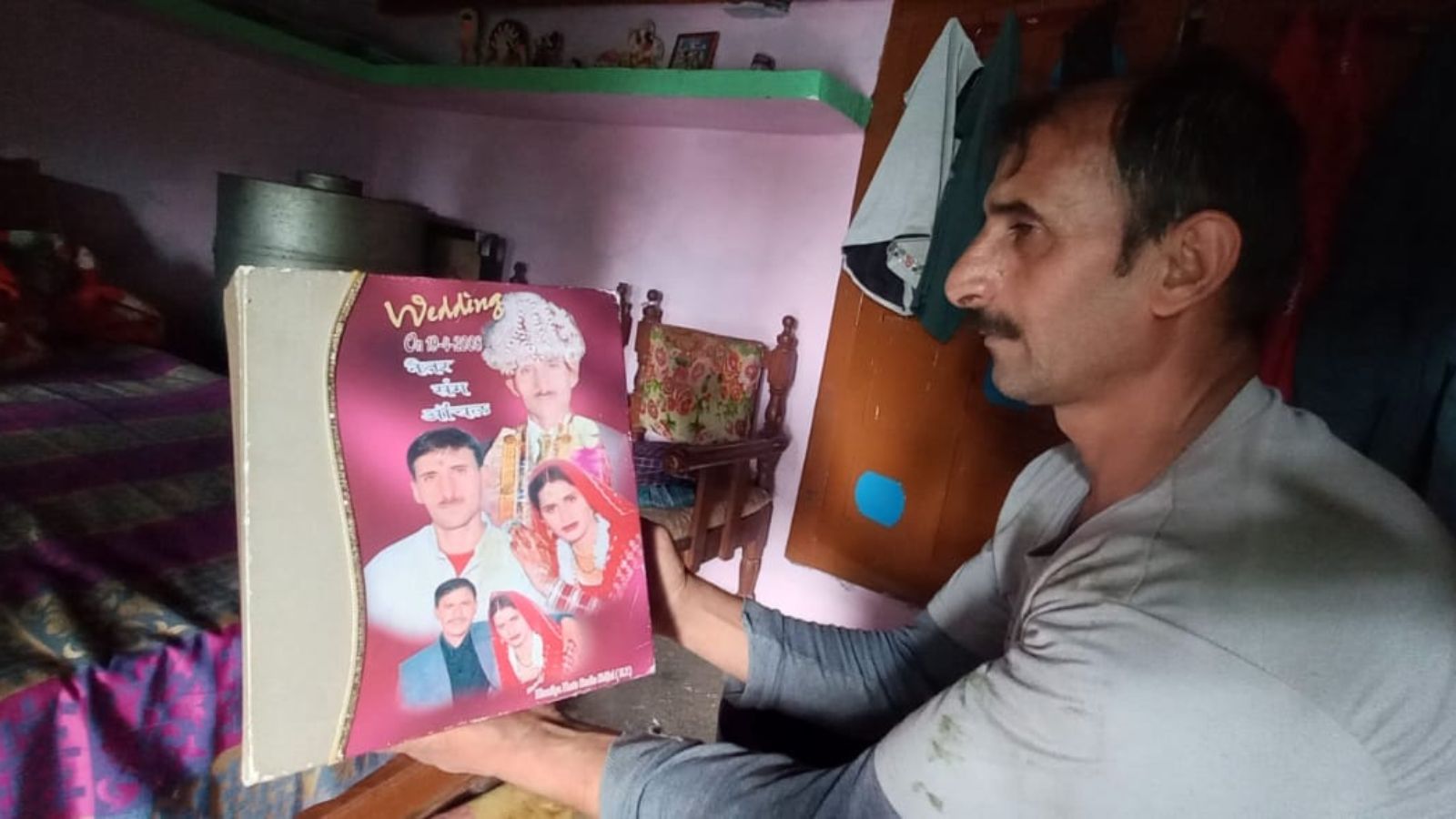
In a region of India, a tradition called Jodidara where brothers share a wife is becoming less common.
It was once a way to keep families together and prevent land from being split up.
But now, with people getting better jobs and moving away, the tradition is fading.
People are more likely to marry one person each, and Jodidara marriages are rare.
It seems this change is because of modern life, where people have more choices and opportunities outside their villages.

Jodidara, a form of fraternal polyandry, is declining in Himachal Pradesh's Trans-Giri region.
The tradition was historically practiced to prevent land division and maintain family unity.
Changing lifestyles, higher education, and job opportunities outside the region contribute to the decline.
Local leaders and residents acknowledge the shift away from Jodidara.
Mutual consent is seen as key to the success of Jodidara marriages.
- Who
- The Hatti community in the Trans-Giri region.
- What
- The decline of Jodidara, a fraternal polyandry tradition, in the Trans-Giri region of Himachal Pradesh.
- When
- The decline is ongoing, with recent years showing a sharp decrease in Jodidara marriages.
- Where
- Trans-Giri region of Himachal Pradesh, India.
- Why
- Due to changing lifestyles, increased education, and job opportunities outside the region.
Past Perspective
Present Perspective
Tradition vs. Modernity
Past Perspective
Jodidara marriages were a way to maintain family unity, prevent land fragmentation, and combat poverty.
Present Perspective
Modernization and outside influences are diminishing the practice.
- Tradition
- Jodidara (fraternal polyandry)
- Region
- Trans-Giri, Himachal Pradesh
- Community
- Hatti
- Purpose
- Prevent land division, maintain unity
- Decline Causes
- Changing lifestyles, education, jobs outside the region