

Archive · 18 Dec 2025
India Withdraws Quality Control Orders on Industrial Raw Materials
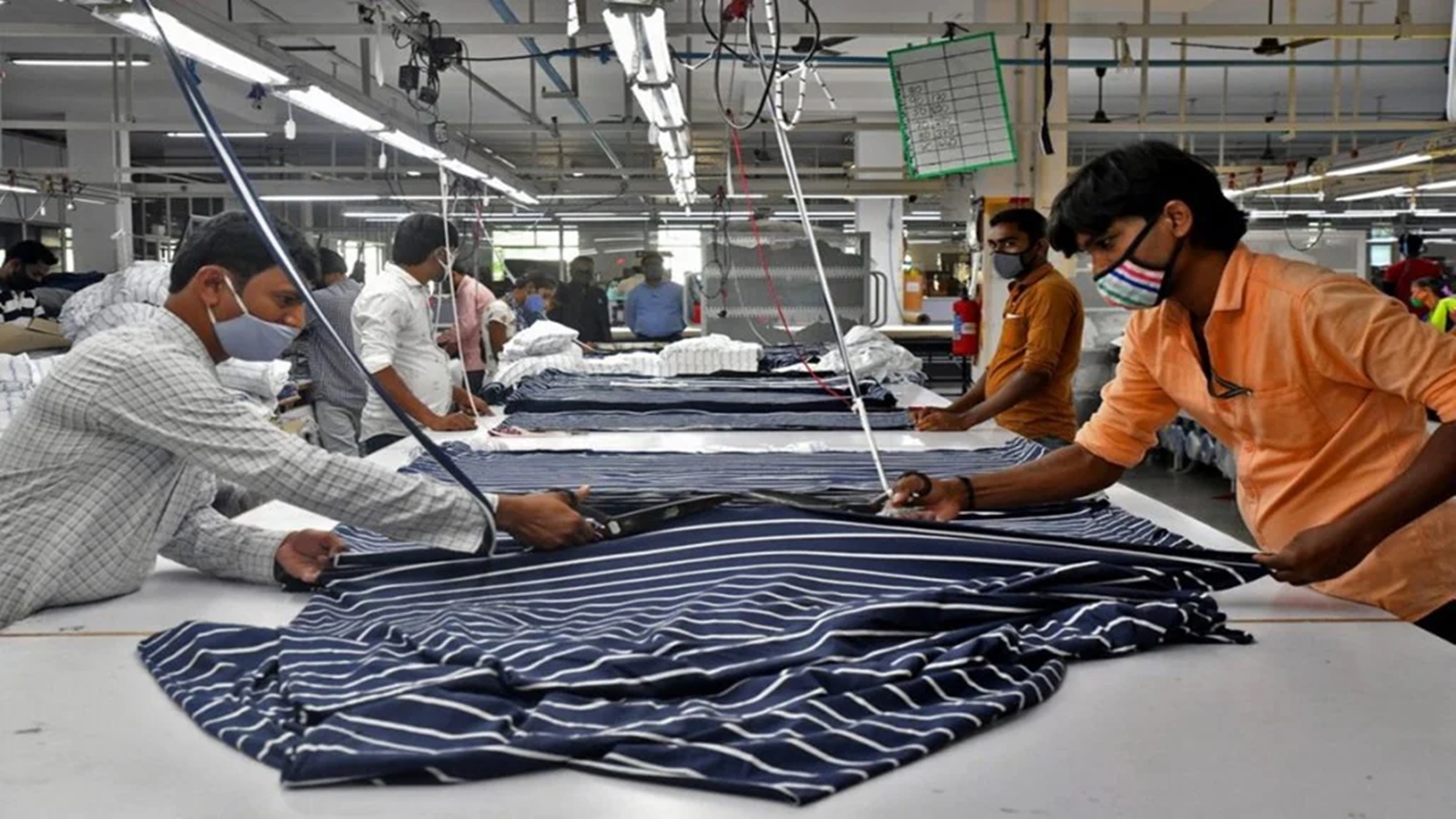
India has decided to remove some rules that made companies get special certificates for certain raw materials they use in manufacturing.
These rules, called Quality Control Orders (QCOs), were making it harder and more expensive for businesses to get the materials they need.
The government realized that these rules were not necessary for all materials and were making Indian products less competitive.
By removing these rules, the government hopes to help businesses, especially small and medium-sized ones, and make India a better place to manufacture goods.
The change also makes India's rules more like those in other countries, like the EU and the US, where similar materials are not regulated as strictly.

India has withdrawn QCOs on 20 industrial raw materials to reduce compliance costs and improve competitiveness.
The QCOs had grown from 70 a decade ago to 790 earlier this year, affecting a wide range of industrial inputs.
The withdrawal removes compulsory BIS certification for 14 chemicals and petrochemicals and 6 mining products.
The move aligns India's quality regulation with global practices, focusing on high-stakes products rather than bulk raw materials.
The decision is expected to benefit industries like textiles, plastics, engineering goods, and electronics assembly, particularly MSMEs.
- Who
- Indian government
- What
- Withdrawal of quality control orders (QCOs) on industrial raw materials
- When
- November 13
- Where
- India
- Why
- To reduce compliance costs, improve competitiveness, and align with global practices
- Number of QCOs
- 790 earlier this year, down from 70 a decade ago
- Products affected
- 14 chemicals and petrochemicals, 6 mining products
- Impacted industries
- Textiles, plastics, engineering goods, electronics assembly
- Global comparison
- EU and US focus on finished goods and safety-critical items
- Date of withdrawal
- November 13