

Archive · 16 Jan 2026
Cervical Cancer: Causes, Symptoms, and Prevention
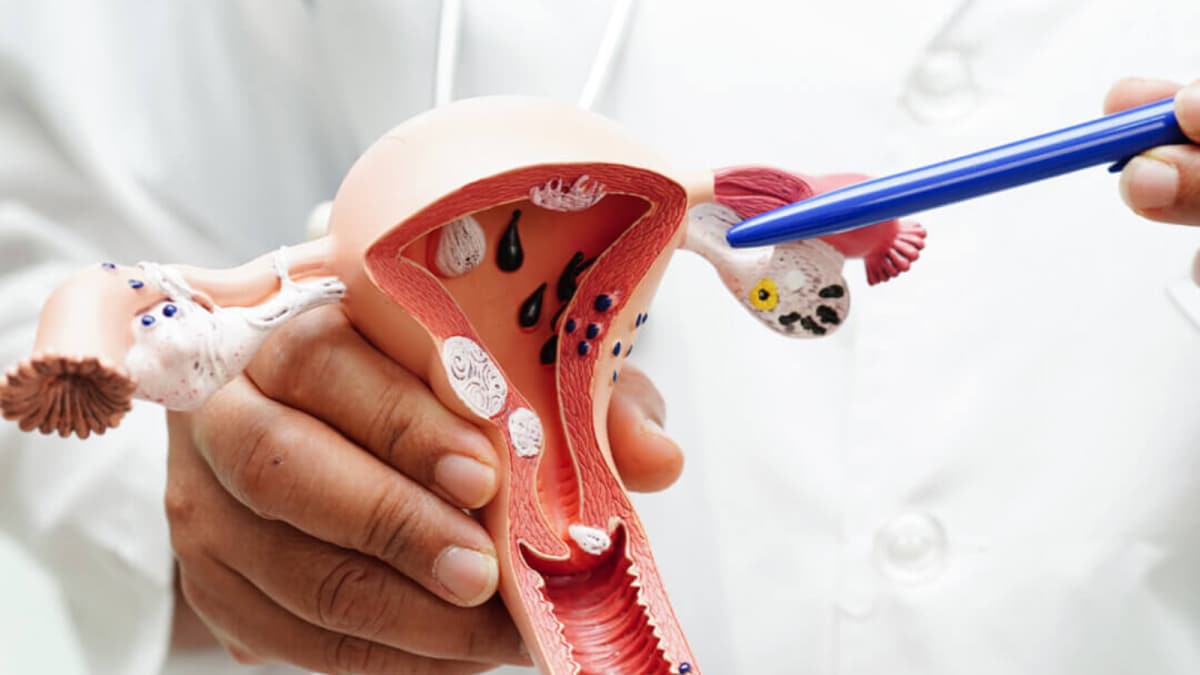
Cervical cancer starts in the cervix, the part of the uterus that connects to the vagina.
It's mostly caused by a virus called HPV, especially types 16 and 18.
Most HPV infections go away on their own, but some can cause changes in the cervix that lead to cancer over time.
Things like smoking, having many sexual partners, or not getting regular check-ups can make it more likely.
Early signs include unusual bleeding, different vaginal discharge, or pain in the pelvis.
The good news is that cervical cancer can be prevented with vaccines and regular screenings like Pap smears.
If caught early, it's very treatable.
Women should pay attention to their bodies and see a doctor if they notice any unusual changes.

Cervical cancer is primarily caused by persistent HPV infections, especially types 16 and 18, and is highly preventable with early detection.
Risk factors include early sexual activity, multiple sexual partners, smoking, weakened immune systems, and lack of routine screening.
Early symptoms may include abnormal vaginal bleeding, unusual discharge, pelvic pain, and pain during intercourse.
Regular Pap smears and HPV testing can identify precancerous changes before they become invasive cancer.
HPV vaccination, combined with routine screening, is the strongest defense against cervical cancer.
- Who
- Women, particularly those with risk factors like early sexual activity, multiple partners, smoking, and weakened immune systems
- What
- Cervical cancer, a preventable form of cancer originating in the cervix
- When
- Cervical cancer develops slowly over years, offering a window for early detection and intervention
- Where
- Global issue, with the article focusing on awareness and prevention in India
- Why
- Due to persistent HPV infections, especially high-risk types 16 and 18, and other risk factors
- Primary Cause
- Persistent HPV infection, especially types 16 and 18
- Risk Factors
- Early sexual activity, multiple sexual partners, smoking, weakened immune system, prolonged oral contraceptive use, lack of screening, family history
- Early Symptoms
- Abnormal vaginal bleeding, unusual discharge, pelvic pain, pain during intercourse, longer/heavier periods, persistent lower back or leg pain
- Prevention Methods
- HPV vaccination, regular Pap smears, HPV testing
- High-Risk Groups
- Women with irregular screening histories, weakened immunity, or persistent HPV infections
- Treatment Outlook
- Highly treatable if detected early