

Archive · 10 Aug 2025
Dining Plates: Is Your Crockery Vegetarian-Friendly?
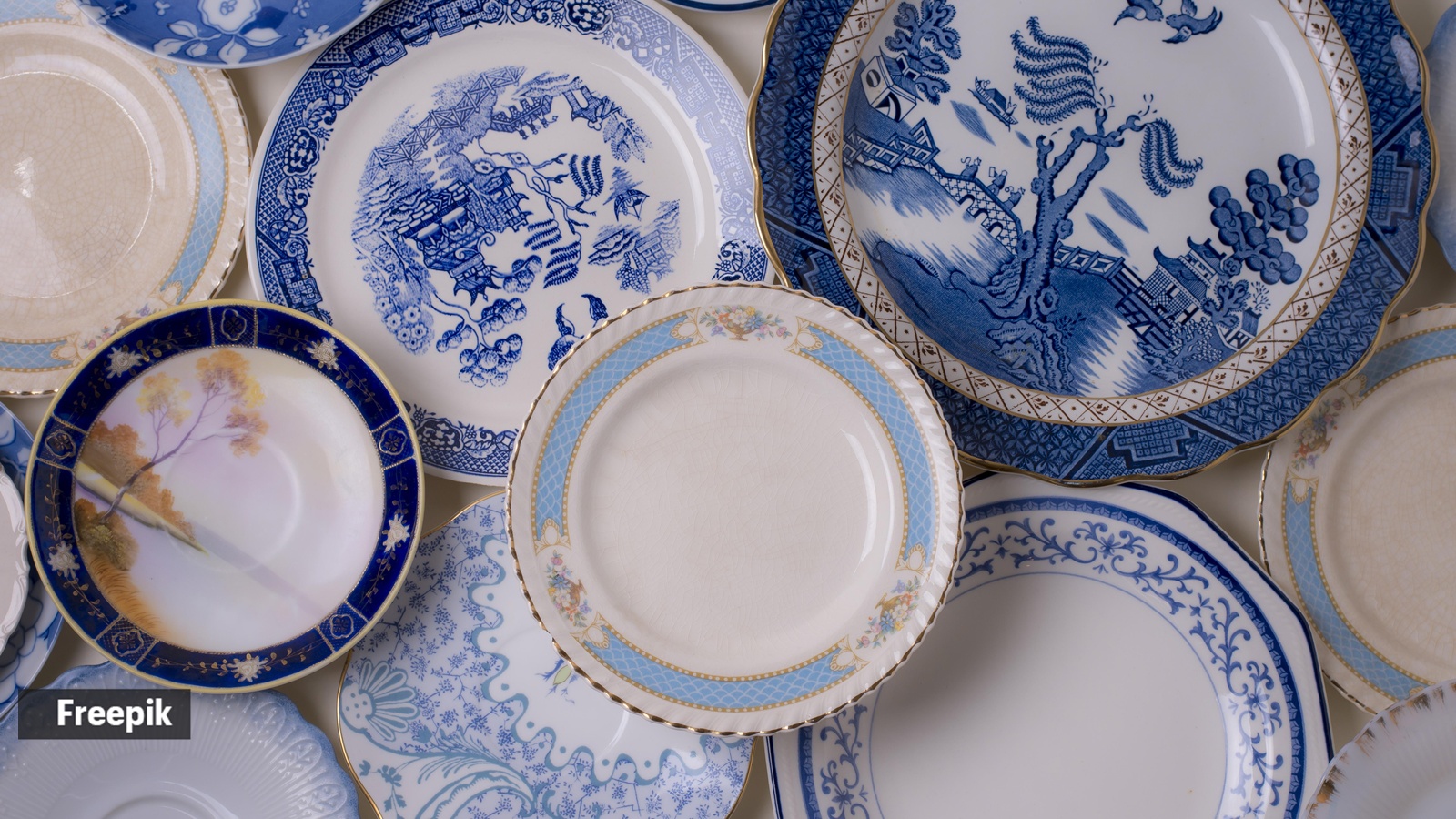
Have you ever thought about what your plates are made of?
Some plates, like bone china, use ground-up animal bones to make them strong and pretty.
This is okay for some people.
But if you're vegetarian or vegan, or if you avoid animal products for religious reasons, you might not want to use these plates.
Luckily, there are many other types of plates, like porcelain or glass, that are made without any animal products.
These plates are just as good, and they let you enjoy your food without going against your beliefs!

Some crockery, particularly bone china, contains animal-derived materials.
Bone china uses bone ash, typically from cow bones, for its whiteness and strength.
Vegetarians, vegans, and those with specific religious beliefs may object to bone china.
Alternatives include porcelain, stoneware, ceramic, recycled materials, and bamboo composites.
Choosing vegetarian-friendly crockery aligns dining habits with personal values.
- Who
- Vegetarians, vegans, and people with certain religious beliefs may want to avoid bone china.
- What
- Some crockery contains animal-derived materials, like bone ash.
- When
- The use of bone ash in porcelain dates back to the 1700s.
- Where
- England is where the idea of bone ash in porcelain originated.
- Why
- To align their dining habits with their values and avoid animal products.
Consumers who avoid animal products
Manufacturers & Users of Bone China
Ethical Considerations
Consumers who avoid animal products
Bone china, made with animal bones, conflicts with ethical or religious principles.
Manufacturers & Users of Bone China
The use of bone ash does not impact the product's aesthetic quality.
- Main ingredient in Bone China
- Bone ash (usually cow)
- Bone ash purpose
- Achieving whiteness, translucency, and finish
- Alternatives to bone china
- Porcelain, stoneware, ceramic, recycled materials, bamboo composites
- Origin of bone china
- England (1700s)