

Archive · 29 Oct 2025
Indian Army General Discusses 'Decade of Transformation' and Future Warfare
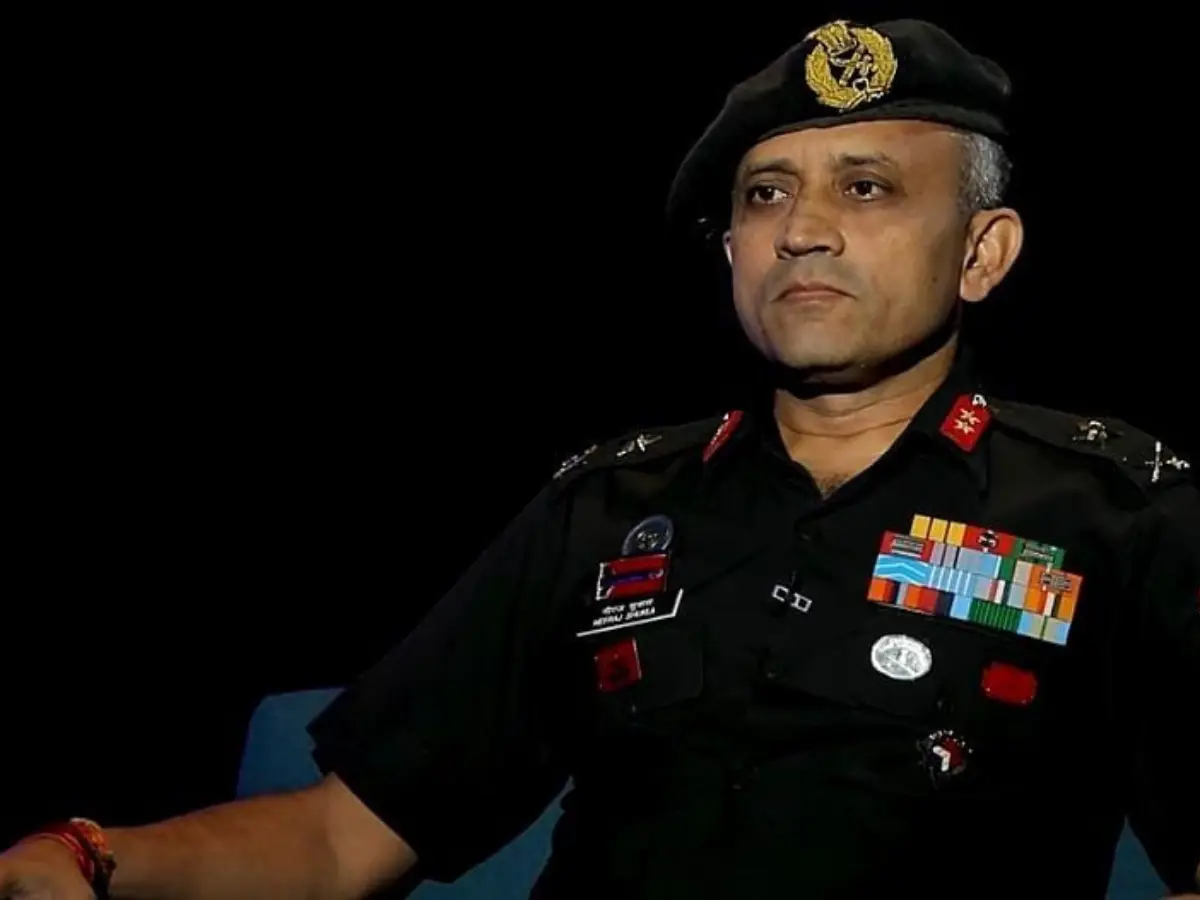
The Indian Army is going through a big upgrade called the 'Decade of Transformation' to become a modern army by 2047.
Think of it like upgrading a video game to have better graphics and features.
They are focusing on using more technology, like artificial intelligence and robots, and making sure India can build its own important tools, like a navigation system called NavICor, so they don't have to rely on other countries.
Wars are also changing, becoming more about technology and less about large groups of soldiers fighting close up.
They are also preparing for threats from above, like drones, and are working with universities to invent new defense technologies.
This makes the army stronger and helps India grow safely.

The Indian Army is undertaking a 'Decade of Transformation' to modernize and align with India's vision of 'Viksit Bharat' by 2047.
A key self-reliance initiative is the NavICor Indian Regional Navigation Satellite System (IRNSS), with plans to cover areas from East Africa to the Malacca Strait.
The character of future warfare is evolving rapidly due to the fusion of technologies like AI, robotics, cyber, and space, leading to multi-domain operations.
The army is focusing on indigenization, with a significant majority of military platform orders and ammunition production now sourced from Indian firms.
Initiatives include technological development through partnerships with academic institutions and a focus on counter-drone measures and adapting to a three-dimensional battlefield.
- Who
- Major General Neeraj Shukla, Additional Director General of Strategic Planning, Indian Army
- What
- Outlined the Indian Army's 'Decade of Transformation' initiative, focusing on self-reliance, technology infusion, and adapting to the changing character of warfare, including the development of indigenous navigation systems and strategies for multi-domain operations.
- When
- The 'Decade of Transformation' began last year, with the 'Year of Reforms' ongoing.
- Where
- India, with specific mention of regional coverage for the NavICor system extending from the East Coast of Africa to the Malacca Strait, and partnerships with institutions like IIT Kanpur and IIT Madras.
- Why
- To align the Indian Army with India's vision of 'Viksit Bharat' by 2047, enhance national security through modernization and indigenization, and prepare for future conflicts characterized by technological fusion and multi-domain operations.
Traditional Warfare
Evolving Warfare
Focus of Conflict
Traditional Warfare
Primarily focused on land, air, and sea domains with massed troops.
Evolving Warfare
Expanding to include cyber, space, electromagnetic spectrum, cognitive warfare, and multi-domain operations with non-contact kinetic capabilities.
Technological Reliance
Traditional Warfare
Less dependent on advanced, fused technologies.
Evolving Warfare
Heavily reliant on the fusion of AI, machine learning, robotics, gene technology, and space-based assets.
Threat Perception
Traditional Warfare
Primarily concerned with horizontal threats (length and breadth).
Evolving Warfare
Includes significant threat from the vertical dimension (aerial threats like drones) and complex hybrid/fifth-generation warfare.
- Speaker
- Major General Neeraj Shukla, ADG-Strategic Planning, Indian Army
- Key Initiatives
- Decade of Transformation, Year of Reforms, NavICor (IRNSS), Chanakya Defence Dialogue, Young Leaders Forum ('Veer Yuva')
- Focus Areas
- Self-reliance, technology infusion, space domain, jointness, system processes, human resource development, force structuring, counter-drone measures
- Future Warfare Characteristics
- Fusion of AI, machine learning, robotics, gene technology, space, cyber; non-contact kinetic; multi-domain operations; increased threat from aerial vertical
- Self-Reliance in Defence
- 90% of military platform orders given to Indian firms in last four years; 90% of ammunition produced domestically; increased military sales by 350%
Sources

Navy Chief: Maritime Security Now a Dynaxic Challenge in Fluid World
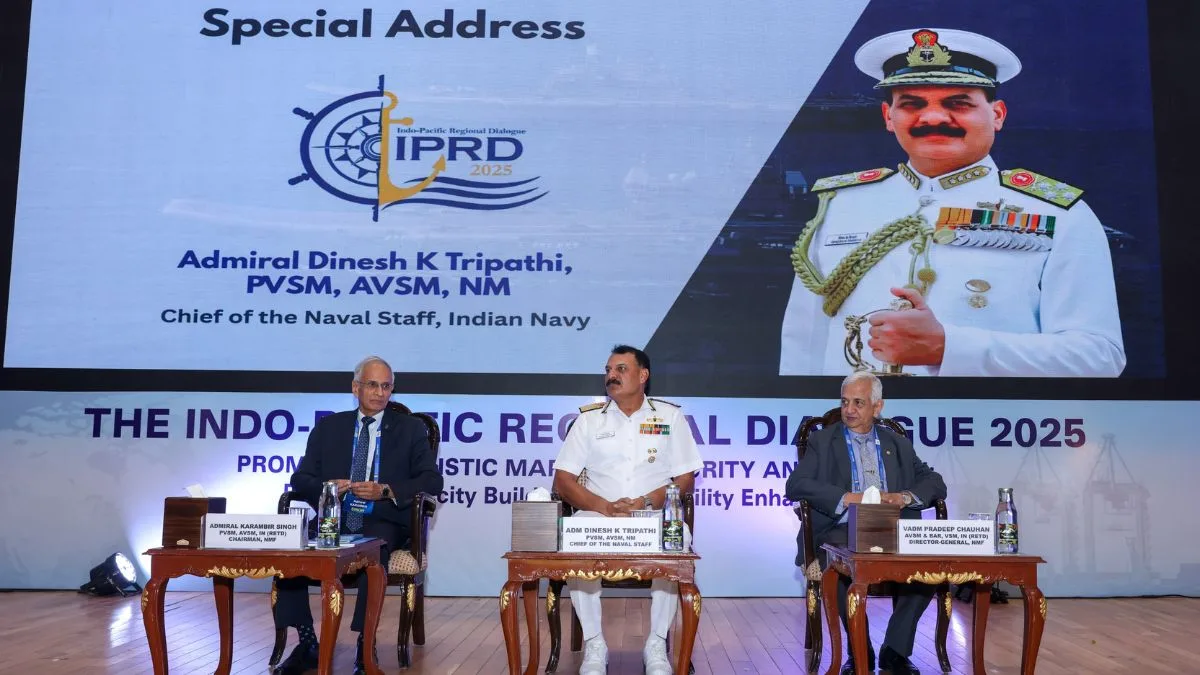
Indian Navy hosts 7th Indo-Pacific Regional Dialogue on promoting holistic maritime security and growth
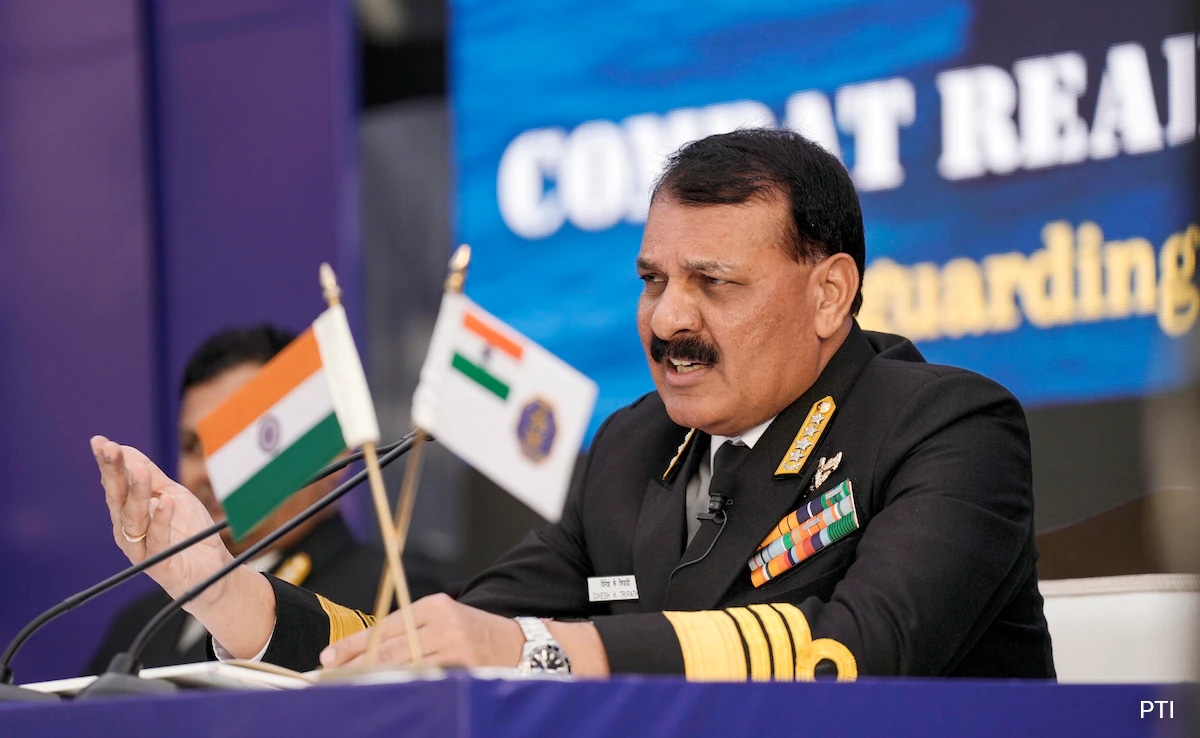
Maritime Security Is 'Dynaxic', Not Just Threat Control: Navy Chief

We’re ready in last 2-3 yrs, more than ever, to break new ground with India: German envoy
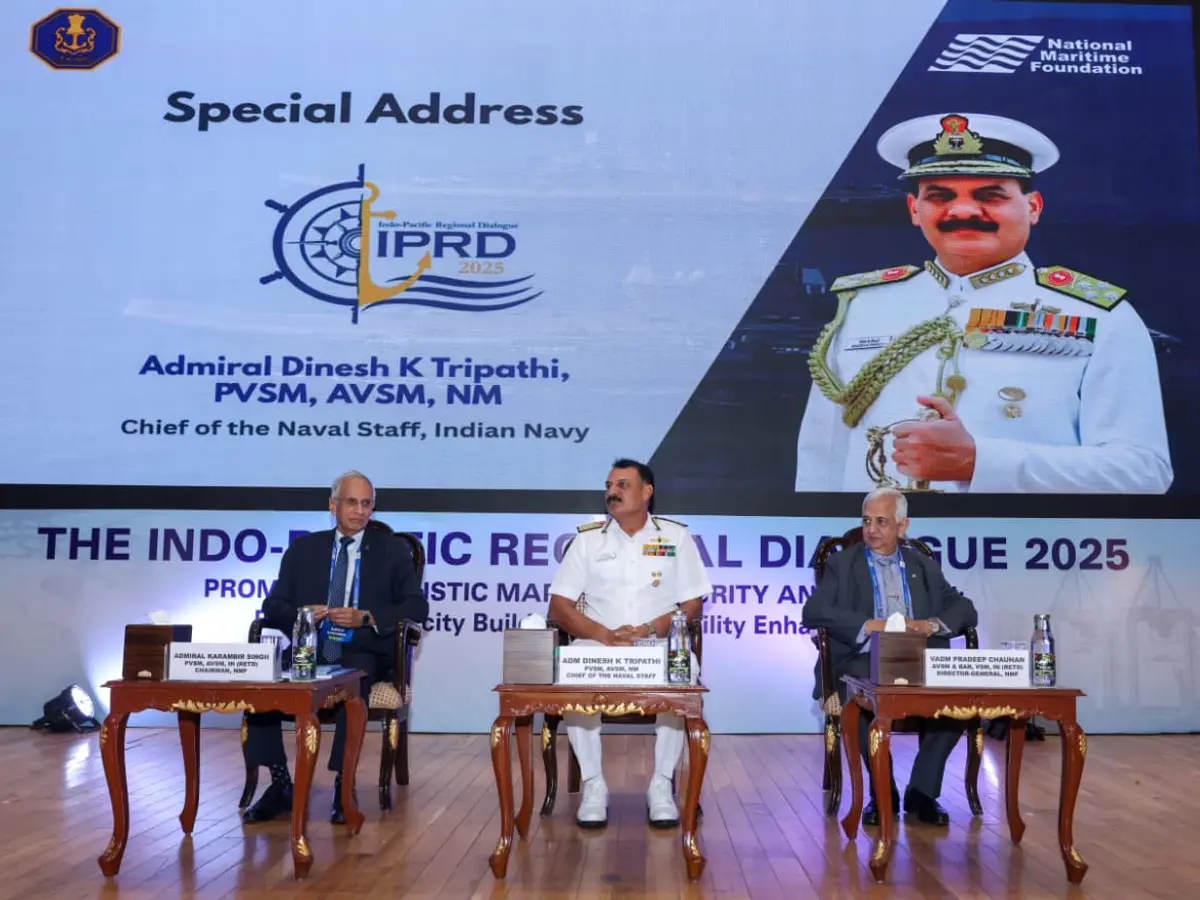
India pushes trust as anchor for Indo-Pacific security at key New Delhi forum

Maritime security can’t be confined to threat containment, says Navy Chief