

Archive · 23 Jan 2026
Arctic Race: Russia, China, US Vie for Control
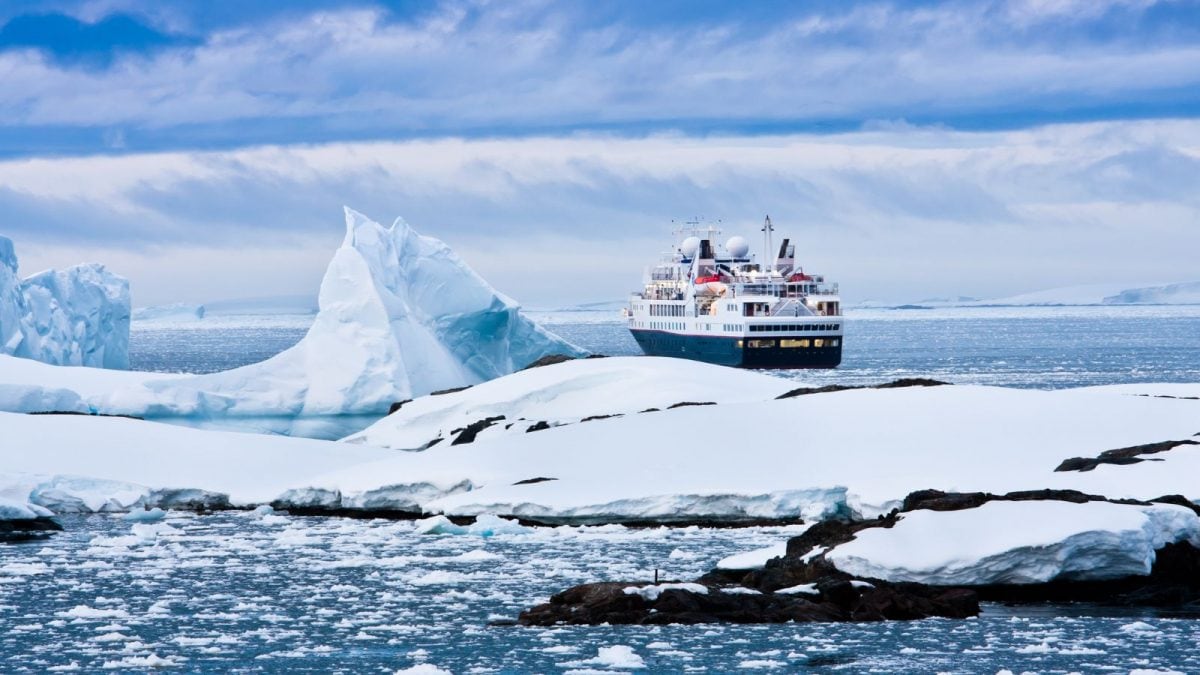
The Arctic is a cold place at the top of the world.
It's getting warmer faster than other places, which is melting the ice.
This is opening up new paths for ships and showing where there might be valuable things like minerals.
Russia, China, and the United States all want to be in control of this area.
Russia already has a big presence there.
China is getting more involved, and the United States is worried about being left behind.
They all want to use the new shipping routes and get the resources.
But there are also risks, like harming the environment and making the area more dangerous.

The Arctic is warming four times faster than the global average, opening new shipping routes and exposing resources.
Russia dominates the Arctic with significant land control, population, and military presence.
China is expanding its Arctic involvement, aiming to become a 'polar power' by 2030.
The United States is concerned about falling behind in the Arctic and has expressed interest in Greenland for its strategic and resource value.
The Northern Sea Route and Northwest Passage are becoming more accessible, increasing shipping activity and strategic importance.
- Who
- Russia, China, and the United States
- What
- Competition for control and resources in the Arctic
- When
- Ongoing, with increased focus in recent years
- Where
- The Arctic region, including the Northern Sea Route and Northwest Passage
- Why
- Melting ice is opening new shipping routes, exposing resources, and increasing military access
- Arctic Warming Rate
- 4 times faster than global average
- Russia's Arctic Land Control
- Half of all Arctic land
- Russia's Arctic Population
- Two-thirds of Arctic's population
- Russia's Arctic GDP
- Two-thirds of the region's GDP
- China's Arctic Goal
- Become a 'polar power' by 2030
- US Arctic Concern
- Strategic competition and resource access
- Northern Sea Route Cargo
- 37 million tonnes in 2025
- Northwest Passage Through-Sailings
- 41 in 2023