Archive · 24 Sep 2026
Harvey Weinstein Sentenced to 15 Years After New York Retrial
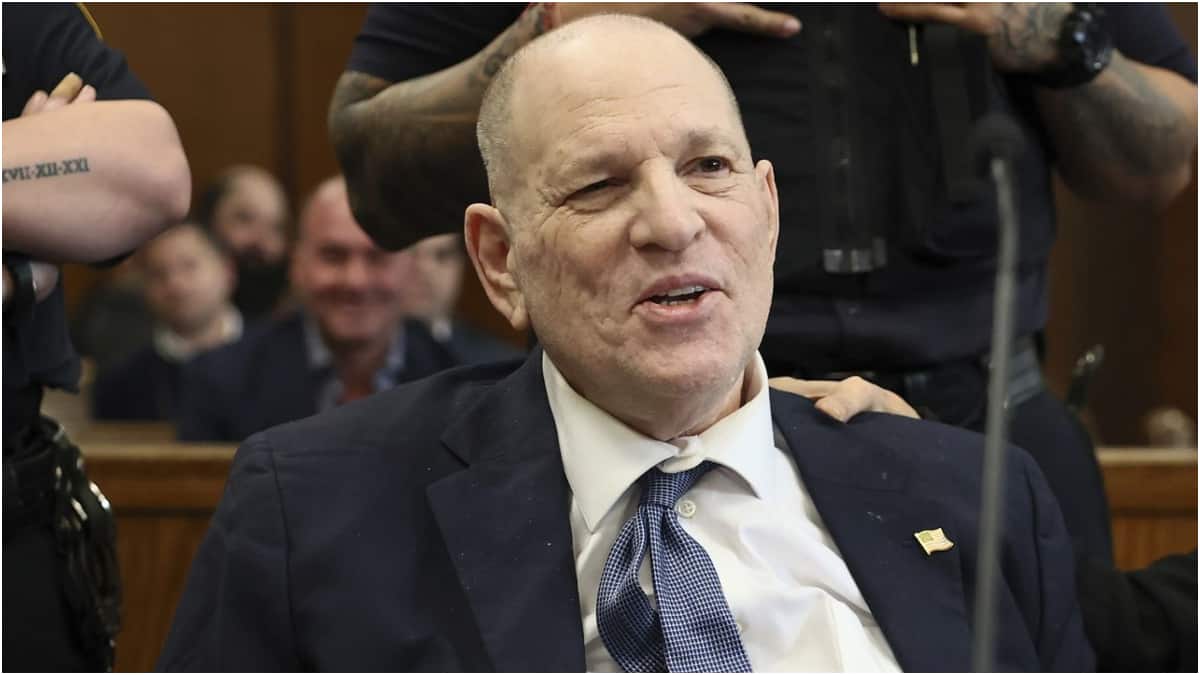
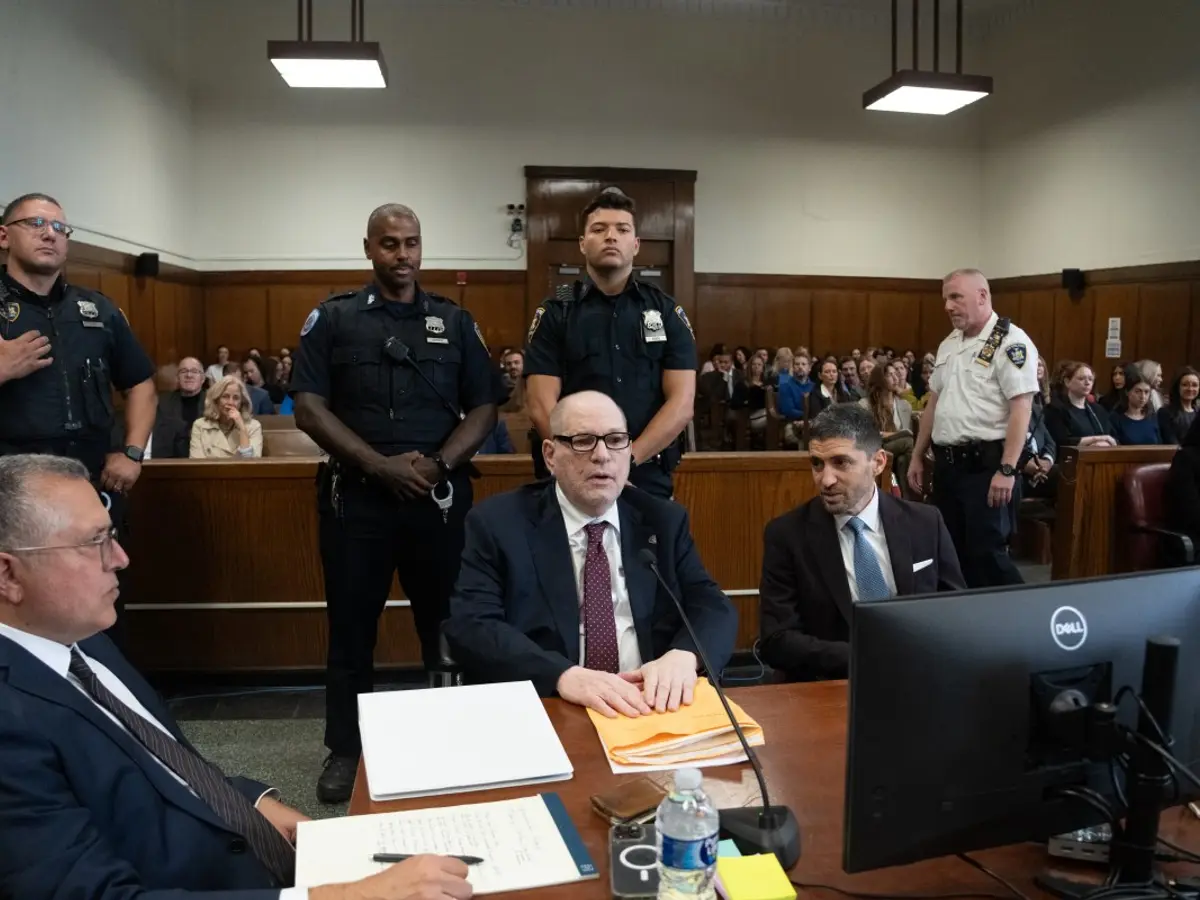
Harvey Weinstein was sentenced to 15 years in prison in New York.
The sentence followed his conviction for sexually assaulting Miriam Haley in 2006.
Haley said the assault happened at Weinstein’s Manhattan apartment.
Weinstein denied sexually assaulting anyone and said some encounters were consensual.
His first New York conviction and 23-year sentence were overturned because the court found problems with the trial.
A new jury later convicted him again in Haley’s case.
That jury acquitted him in a separate case involving Kaja Sokola and did not decide the allegation involving Jessica Mann.
A later trial involving Mann ended without a unanimous verdict, although one report said prosecutors later dropped that charge.
Weinstein is also serving a separate sentence in California.

Harvey Weinstein was sentenced to 15 years in New York for the first-degree criminal sexual act conviction involving Miriam Haley.
The conviction concerned Haley’s account of a 2006 assault at Weinstein’s Manhattan apartment.
New York’s highest court overturned Weinstein’s original 23-year conviction in 2024, citing prejudicial trial testimony.
At the 2025 retrial, jurors convicted Weinstein in Haley’s case, acquitted him regarding Kaja Sokola, and initially deadlocked on Jessica Mann’s rape allegation.
Weinstein continues to face a separate California sentence, while reports differ on the final status of the unresolved New York charge involving Mann.
- Who
- Harvey Weinstein and Miriam Haley were central to the conviction; Jessica Mann and Kaja Sokola were involved in separate allegations.
- What
- Weinstein received a 15-year sentence after being convicted of first-degree criminal sexual act involving Haley.
- When
- The sentence was imposed on Wednesday, September 23, after a 2025 retrial; a later Mann proceeding occurred in May 2026.
- Where
- The case was heard in New York, and the alleged assault occurred at Weinstein’s Manhattan apartment; a separate case is in California.
- Why
- Prosecutors accused Weinstein of using his influence to sexually abuse women, while Weinstein denied non-consensual conduct.
Prosecution and Accusers
Weinstein’s Defense
Nature of the conduct
Prosecution and Accusers
Prosecutors said Weinstein used his Hollywood position and power to sexually abuse women. Haley said the assault had a devastating and lasting effect on her life and sense of security.
Weinstein’s Defense
Weinstein denied sexually assaulting or raping anyone, maintained his innocence, and argued that sexual encounters with accusers were consensual.
Sentencing
Prosecution and Accusers
Prosecutors sought a 20-year sentence, and the judge imposed 15 years for the Haley conviction.
Weinstein’s Defense
Weinstein’s lawyers requested a substantially shorter sentence, citing his age, cancer, congestive heart failure, kidney problems, and use of a wheelchair.
Original trial and retrial
Prosecution and Accusers
Prosecutors pursued a new trial after New York’s highest court overturned the original conviction because testimony about allegations outside the charges had prejudiced the proceedings.
Weinstein’s Defense
The overturned conviction demonstrated that the original trial process was legally flawed; Weinstein’s defense continues to challenge the latest sentence and deny non-consensual conduct.
- New York sentence
- 15 years in prison
- Convicted charge
- First-degree criminal sexual act involving Miriam Haley
- Alleged incident
- A 2006 assault at Weinstein’s Manhattan apartment
- Original conviction
- A 23-year sentence imposed in 2020 and overturned in 2024
- 2025 retrial
- Guilty in Haley’s case, acquitted in Kaja Sokola’s case, and no verdict initially reached on the Jessica Mann allegation
- Mann allegation
- A later trial ended in a hung jury; one report said prosecutors subsequently dropped the charge, while earlier accounts said another trial remained uncertain
- California case
- A separate 16-year sentence followed Weinstein’s 2022 rape and sexual assault conviction; an appeals court later ordered resentencing