Archive · 13 Nov 2025
Lancet Study Reveals Global Surge in Childhood Hypertension
Imagine that the tubes in your body that carry blood are getting squeezed too hard, and that’s called high blood pressure.
A big study looked at kids all around the world and found that twice as many kids have high blood pressure now compared to 20 years ago.
This is happening because more kids are overweight, eating lots of unhealthy food like fast food, and not moving their bodies enough.
They also spend a lot of time with screens, which can be stressful.
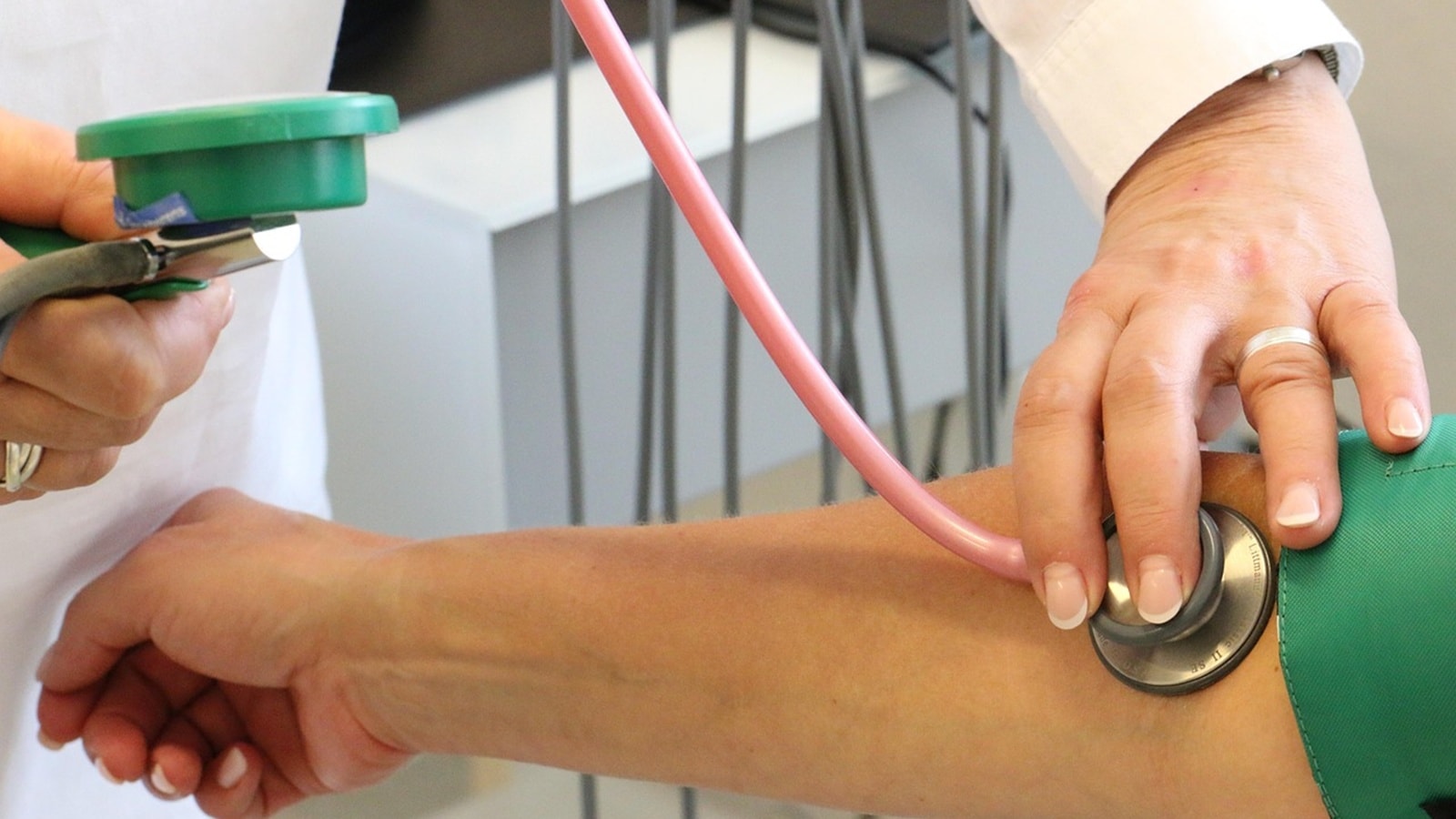
Sometimes, doctors only see high blood pressure when kids are in their office, but it might be normal at home, making it tricky to know for sure.
To help stop this, we need to make sure kids are screened often, eat healthier foods, and get more exercise.
Doing these things can help keep their bodies healthy as they grow up.

Child and adolescent hypertension rates have nearly doubled globally between 2000 and 2020, affecting 114 million young people.
Obesity is a primary driver, with obese children having eight times the hypertension prevalence of healthy-weight children.
Lifestyle factors including poor diet, sedentary behavior, stress, and irregular sleep are key contributors to rising hypertension.
The study highlights potential underdiagnosis due to masked hypertension and variations in measurement methods (in-office vs. out-of-office).
Improved screening, prevention efforts, and standardized measurement protocols are crucial to control childhood hypertension and prevent future health complications.
- Who
- Researchers from Zhejiang University School of Medicine and The Usher Institute, University of Edinburgh, as published in The Lancet Child and Adolescent Health.
- What
- A significant global increase in hypertension among children and adolescents, nearly doubling between 2000 and 2020, driven by factors like obesity and lifestyle choices.
- When
- Between 2000 and 2020, with findings highlighted in a recent Lancet study.
- Where
- Globally, with specific mention of the WHO South-East Asia Region (SEAR) and implications for lower-middle-income countries like India.
- Why
- Increased rates of obesity, poor dietary choices, sedentary lifestyles, stress, irregular sleep, and the impact of lifestyle healthcare epidemics contribute to the rise in hypertension.
Challenges in Diagnosis
Diagnostic Recommendations
Prevalence Estimates
Challenges in Diagnosis
Relying solely on in-office blood pressure measurements may underestimate the true prevalence of hypertension in children and adolescents.
Diagnostic Recommendations
Including out-of-office assessments like ambulatory or home blood pressure monitoring provides a more accurate prevalence estimate, indicating higher rates of sustained hypertension.
Underdiagnosis
Challenges in Diagnosis
Masked hypertension, where high blood pressure is not detected during routine checkups, affects a significant portion of young people globally.
Diagnostic Recommendations
Standardized BP measurement protocols are needed to improve diagnostic consistency and comparability across different healthcare settings, especially in regions like SEAR.
White-Coat Hypertension
Challenges in Diagnosis
White-coat hypertension is more prevalent in lower-middle-income countries, potentially leading to misclassification of hypertension.
Diagnostic Recommendations
Enhanced data collection efforts are necessary to better capture the true burden of childhood hypertension, particularly in regions where out-of-office monitoring is underutilized.
- Global Prevalence Increase
- Child and teen hypertension nearly doubled between 2000 and 2020.
- Affected Population
- 114 million young people worldwide by 2020.
- Prevalence Rate Shift
- From 3.2% in 2000 to over 6.2% by 2020.
- Key Driver
- Obesity; 19% of obese children have hypertension.
- Contributing Factors
- Poor diet, sedentary lifestyle, stress, irregular sleep, fast food access.
- Study Scope
- Meta-analysis of 96 studies, 443,000+ children in 21 countries.
- Masked Hypertension Prevalence
- Affects 9.2% of children and adolescents globally.