

Archive · 16 Sep 2026
Supreme Court Keeps Delhi Protest Violence Panel Intact
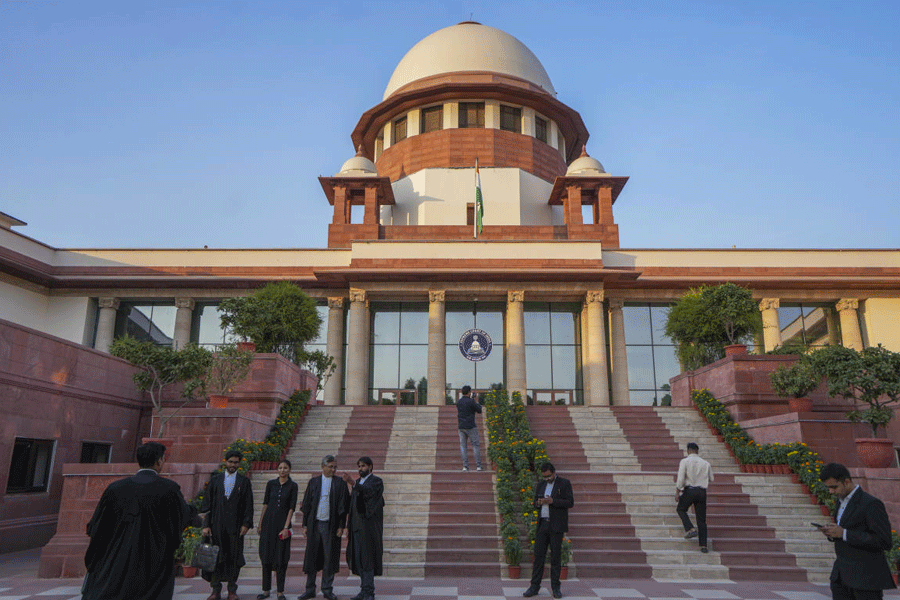
The Supreme Court decided that the committee investigating violence during student protests should stay unchanged.
Some lawyers said one committee member might not be neutral because of an alleged personal connection.
The Court said those concerns were based on guesses and were raised before the investigation had properly begun.
It said the committee must work fairly, transparently, and without supporting either side.
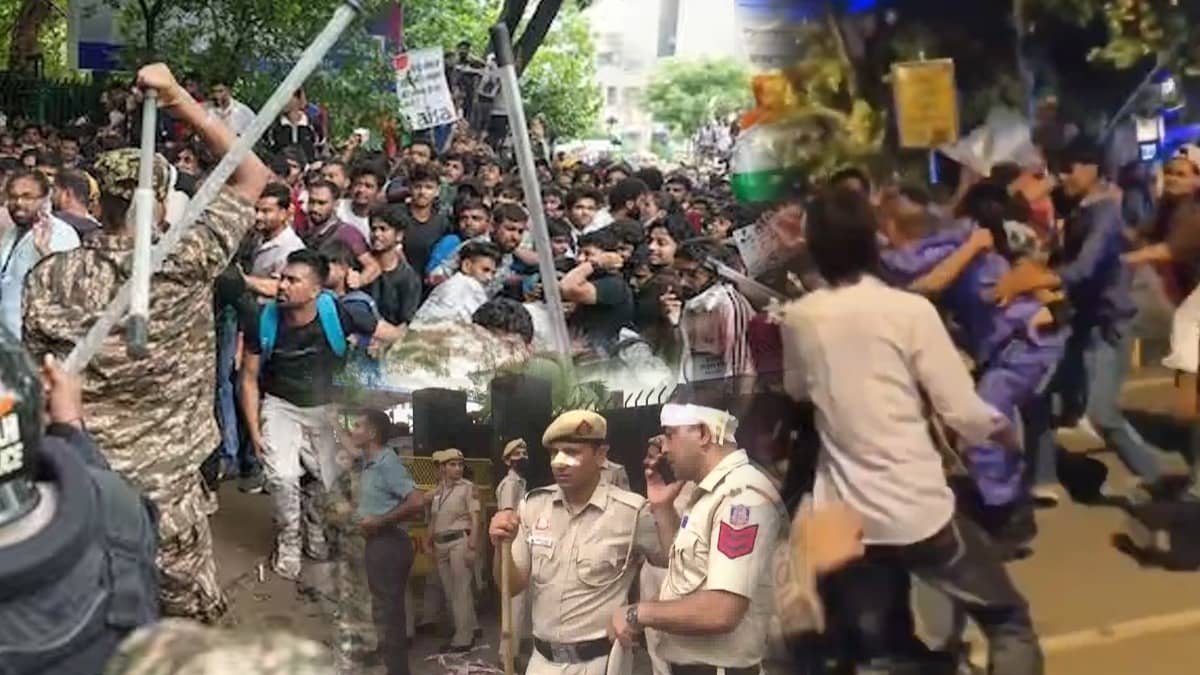
The committee will investigate claims about police force, pellet guns, targeted violence, and harassment of female protesters.
It will also examine violence and property damage by protesters or security personnel.
People who share evidence, especially vulnerable witnesses, should have their identities protected.
The Court said an online portal could help people submit evidence confidentially.
It also ordered police to protect a 14-year-old protester and her family after reported threats.
The committee must begin its work and report its findings to the Court.

The Supreme Court declined to reconstitute the five-member HPEC investigating alleged police excesses during Delhi’s CJP student protests.
The bench called objections to a panel member’s alleged conflict of interest conjectural and premature.
The HPEC will examine pellet-gun use, targeted violence, harassment of female protesters, and violence or property destruction by either side.
The Court ordered confidentiality and protection for vulnerable witnesses and allowed for a separate online evidence-submission portal.
Delhi Police must assess threats against a 14-year-old protester and her family, provide protection, investigate the allegations, and file a status report before October 9.
- Who
- The Supreme Court bench led by Chief Justice of India Surya Kant, the HPEC, petitioners seeking its reconstitution, protesters, security personnel, and Delhi Police.
- What
- The Court refused to reconstitute the HPEC and directed it to investigate alleged police excesses and violence connected with the CJP protests.
- When
- The order was dated September 10 and uploaded on September 16; the next hearing is scheduled for October 9. The committee was constituted on August 18.
- Where
- Delhi, including Jantar Mantar and the route of the march to Parliament.
- Why
- The Court said objections to the panel were based on conjecture and preconceived notions made before the HPEC had begun its inquiry.
Petitioners’ Concerns
Court and Government Position
Panel reconstitution
Petitioners’ Concerns
Prashant Bhushan and Gopal Sankaranarayanan argued that a former northeastern-state police chief on the panel could have a conflict of interest because of an alleged friendship with a high functionary who might face investigation.
Court and Government Position
The Supreme Court refused reconstitution, describing the objections as conjectural, premature, and based on preconceived notions before the inquiry began.
Committee neutrality
Petitioners’ Concerns
The petitioners sought changes to address concerns about the panel’s independence before its investigation proceeded.
Court and Government Position
The Court said the HPEC was created to assist it through a fair, transparent, and dispassionate inquiry, not to advance either party’s cause.
Scope of alleged wrongdoing
Petitioners’ Concerns
The allegations include excessive police force, pellet-gun use, targeted violence, and harassment of protesters.
Court and Government Position
The inquiry will also examine violence against security personnel and excessive violence or property destruction by either side.
- Committee chairperson
- Former Supreme Court judge Justice R Subhash Reddy
- Committee members
- Ravi Shankar Jha, Shalinder Kaur, Rishi Kumar Shukla, and L R Bishnoi, alongside the chairperson
- Inquiry scope
- Pellet-gun use, targeted violence, harassment of female protesters, and excessive violence or property destruction by either side
- Witness safeguards
- Vulnerable witnesses’ identities and evidence must remain confidential; a separate online portal may be created
- Court assistance
- Senior Advocate Monika Gusain and Advocate C Solomon will assist the Court and act as independent arbiters
- Child-safety order
- Delhi Police must assess threats against a 14-year-old protester and her family, provide protection, investigate, and submit a status report
- Committee duties
- The HPEC must appoint a member secretary and submit its first report at the earliest
Sources
NEET UG Paper Leak: Supreme Court Declines to Reconstitute HPEC Probing CJP Protest Violence

SC Refuses To Reconstitute Panel On Delhi Protest Violence
Supreme Court refuses panel reconstitution in CJP protest case, calls allegations conjecture
