

Archive · 1 Jun 2025
Lab-Grown Bat Models Advance Pandemic Research
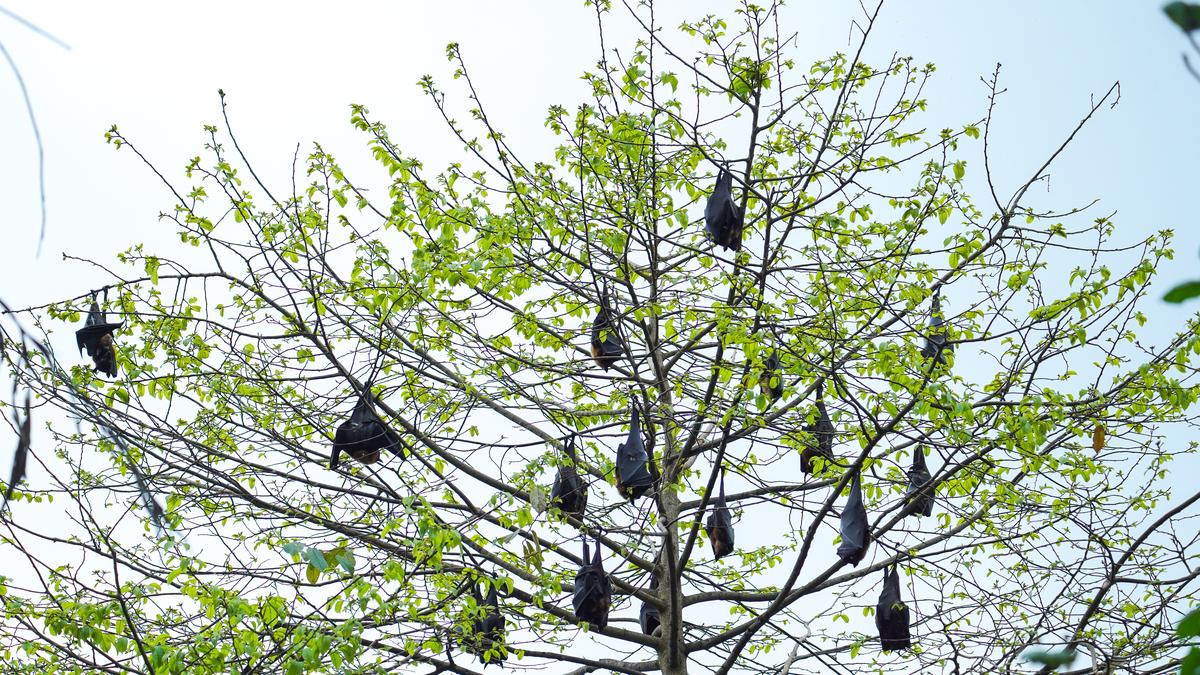
Scientists are growing tiny, lab-made bat organs and cells to understand how bats handle viruses.
These models help researchers study how viruses affect different bat species.
The research shows that some viruses that are harmless in bats can become deadly in humans.
The new models can help scientists discover new viruses and test potential treatments.
They will also assist in tracking viruses and predicting outbreaks, preparing for future pandemics.
This technology is especially helpful for India, which has a lot of bat diversity and has experienced outbreaks of diseases carried by bats.

Researchers created bat organoids and immortalized cell lines to study bat viruses.
Organoids from five Asian and European bat species were developed, including lung and intestinal models.
These models revealed species and organ-specific vulnerabilities to viruses like MERS-CoV and SARS-CoV-2.
The research isolated previously unknown viruses using fecal samples from wild bats.
These tools can support monitoring, research into emerging viruses, and improve pandemic preparedness.
- Who
- Researchers developed lab-grown bat organoids and cell lines.
- What
- New research has created bat organoids and immortal cell lines to study bat biology and viruses.
- When
- Research published in Science and PLoS Biology.
- Where
- Asia, Europe, Central and South America, and India.
- Why
- To understand how bats coexist with viruses and improve pandemic preparedness.
- Research Focus
- Bat organoids and cell lines
- Key Finding
- Species-specific vulnerability to viruses
- Bat Species Studied
- Five Asian and European species and Seba’s short-tailed bats
- Viruses Tested
- SARS-CoV-2, MERS-CoV, influenza A, and others
- Goal
- Improve pandemic preparedness