

Archive · 25 Jul 2025
Sudhir Kakar: Pioneer of Indian Psychoanalysis
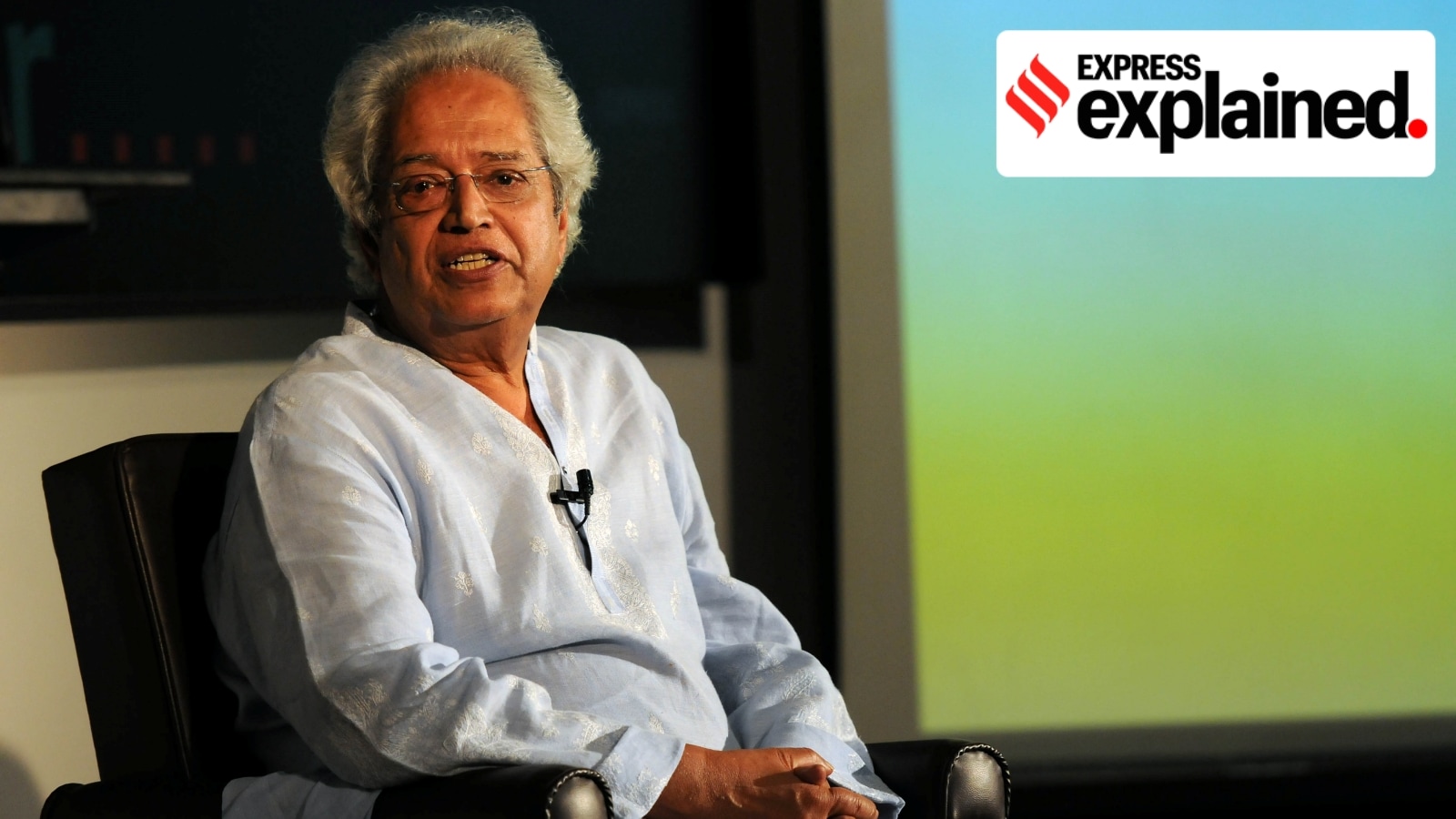
Imagine a doctor who helps people understand their minds, but in India!
Sudhir Kakar was like that.
He thought that the way people in India think and feel is different from people in other places.
He looked at old stories and family traditions in India to understand how people's minds work.
He came up with new ideas, like the "Ganesha Complex," which is a different way of looking at how boys grow up, compared to ideas from other places.
His work helps doctors in India better understand their patients by considering their culture and stories.

Sudhir Kakar, considered the father of Indian psychoanalysis, integrated Indian culture into psychoanalytic theory.
Kakar believed that Western psychoanalytic theories didn't fully resonate with Indian psychological realities.
He introduced concepts like the "Ganesha Complex," drawing from Indian myths and familial structures.
Kakar's work highlights how collective fantasies shape the unconscious mind in India.
His ideas have influenced clinical settings, acknowledging the impact of culture and identity on the self.
- Who
- Sudhir Kakar, a psychoanalyst.
- What
- Sudhir Kakar's contributions to Indian psychoanalysis, adapting Freudian concepts to Indian culture.
- When
- Kakar was born in 1938 and passed away in the prior year.
- Where
- India
- Why
- To create a culturally relevant form of psychoanalysis for India, recognizing the influence of cultural context on the psyche.
Western Psychoanalytic Tradition
Kakar's Indian Psychoanalysis
Focus on universality vs. Cultural Context
Western Psychoanalytic Tradition
Emphasizes universality of psychoanalytic theories.
Kakar's Indian Psychoanalysis
Acknowledges cultural differences in psychological realities.
- Field
- Psychoanalysis
- Key Figure
- Sudhir Kakar
- Nationality
- Indian
- Concepts Introduced
- Ganesha Complex
- Influences
- Indian myths, folklore, and cinema
- Impact
- Shaped clinical practices in India