

Archive · 6 Jan 2026
Asia's Cities Reshape Global Urban Landscape
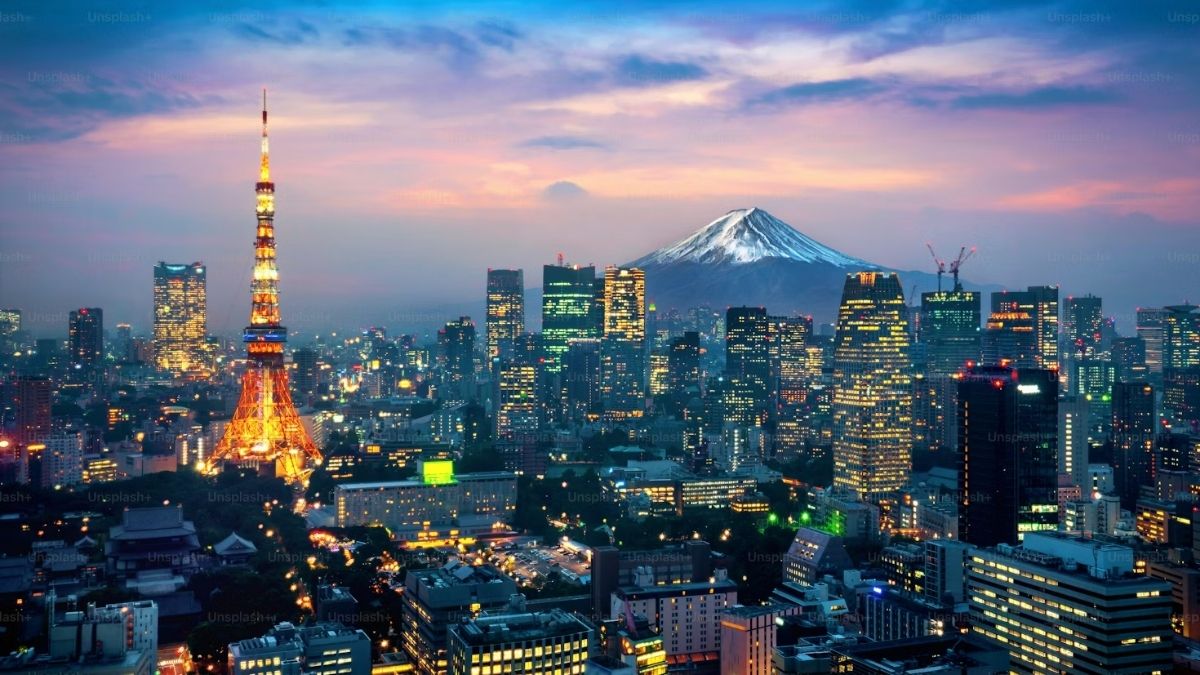
Asia's cities are growing really fast.
Jakarta is now the biggest city in the world with 42 million people.
Dhaka is next with 37 million.
By 2050, Dhaka will be the biggest.
Tokyo, which was the biggest in 2000, is now third and will keep getting smaller.
Many people are moving to big cities from smaller ones, especially in countries like China and India.
This is making big cities even bigger.
There are now 33 megacities, and 19 of them are in Asia.
Small cities are losing people because everyone is moving to the big cities.
This is important because it affects how we plan cities for the future.

Jakarta is the most populous city in 2025 with 42 million inhabitants, pushing Tokyo to third place.
Dhaka is expected to overtake Jakarta as the world's largest city by 2050.
Nine out of the ten most populous cities in 2025 are in Asia, with Cairo being the only exception.
Tokyo's population is projected to shrink to 31 million by 2050.
Rapid urbanization in Asia's emerging economies is outpacing established urban hotspots like Tokyo.
- Who
- United Nations, urban planners, citizens of Asia's emerging economies
- What
- Rapid urbanization and population growth in Asia's cities
- When
- 2025 and projections for 2050
- Where
- Asia, particularly Jakarta, Dhaka, Delhi, Shanghai, Guangzhou, Manila, Kolkata, Seoul, Cairo, and Karachi
- Why
- Migration to big cities and unique infrastructural challenges requiring sustainable solutions
- Most Populous City in 2025
- Jakarta, Indonesia (42 million inhabitants)
- Second Most Populous City in 2025
- Dhaka, Bangladesh (37 million inhabitants)
- Projected Most Populous City by 2050
- Dhaka, Bangladesh
- Top 10 Cities in 2025
- Nine out of ten are in Asia
- Tokyo's Population in 2025
- 33.4 million inhabitants
- Projected Tokyo Population in 2050
- 31 million inhabitants
- Global Urban Population in 2025
- 45% of the world's 8.2 billion people
- Number of Megacities in 2025
- 33 (19 in Asia)