

1 week ago
Indian Craft Chocolates and Luxury Mithai Compete for Gifting
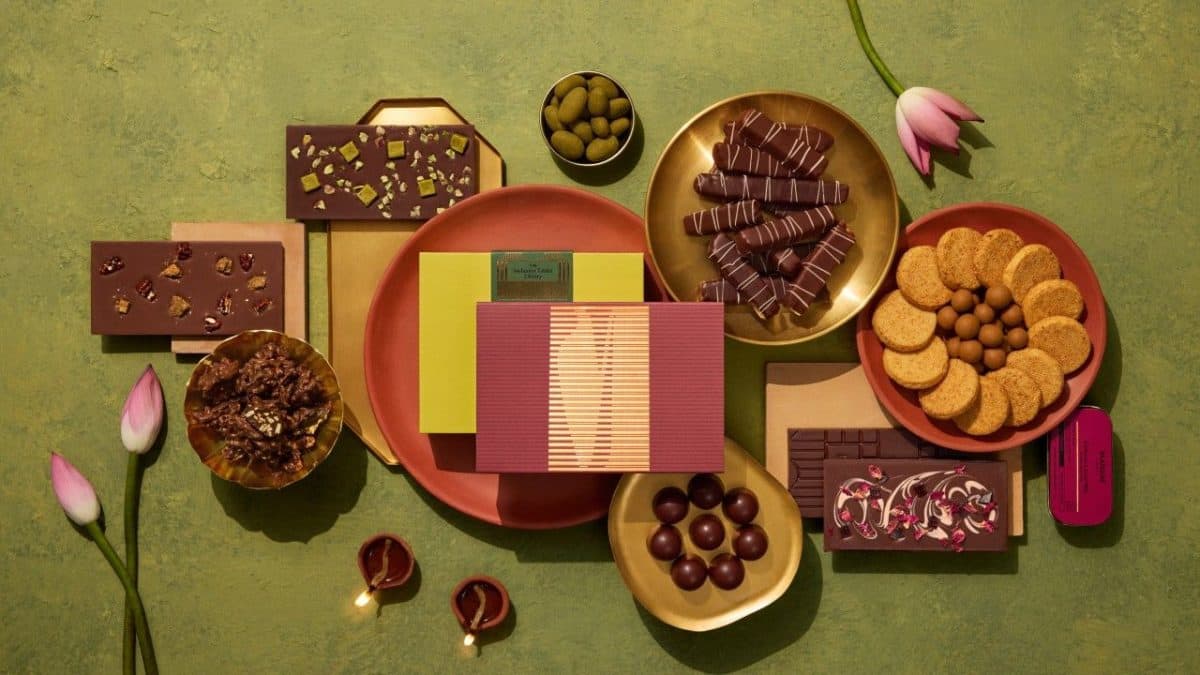
In India, people are buying more fancy chocolates and fancy traditional sweets.
These treats are often bought as gifts, so chocolate makers and mithai makers are competing for some of the same customers.
Some businesses are also mixing the two, such as making chocolate versions of Indian sweets.
Manam and Khoya say their customers spend similar amounts on average.
Many orders are gifts, especially around Diwali.
Experts say online shopping is helping smaller brands reach more people.
They also expect packaged sweets and premium treats to keep growing.

India’s chocolate market is worth about Rs 24,000 crore and has grown roughly 10% annually; its luxury segment is growing about 17%.
Premium chocolate makers and luxury mithai brands increasingly court the same affluent consumers and gifting budgets.
Manam’s average store spend is about Rs 1,800, while Khoya’s average order value is about Rs 1,750; gifting drives much of both businesses.
Bombay Sweet Shop combines mithai and chocolate in products such as a patissa-inspired chocolate bar and dark chocolate kaju katli.
Industry observers expect growth to continue, supported by e-commerce and a shift toward packaged, branded mithai.
- Who
- Craft chocolate makers, luxury mithai brands, and affluent consumers in India.
- What
- Premium chocolate and luxury mithai are growing and competing for customers, especially in gifting, while some brands combine the two.
- Where
- India, including brands operating from Hyderabad, Delhi, Mumbai, and Kochi.
- When
- The change has become more visible over the past five years.
- Why
- Growing interest in premium products and gifting, alongside e-commerce and the move toward packaged, branded mithai.
Direct competition
Broader gifting competition
How chocolate and mithai compete
Direct competition
Khoya founder Sid Mathur says luxury mithai and craft chocolate compete for the same customers and budgets.
Broader gifting competition
Manam founder Chaitanya Muppala says mithai is a more direct competitor, while the broader competitive set includes anything giftable.
What is changing at Diwali
Direct competition
Traditional mithai remains associated with customary celebrations and pujas.
Broader gifting competition
Muppala describes Diwali as a continuum that includes mithai, desserts, and baked goods, rather than a festival led by one category.
Key facts
- India chocolate market
- About Rs 24,000 crore; annual growth of roughly 10% in recent years, according to NielsenIQ.
- Luxury chocolate segment
- About Rs 4,500 crore and growing at roughly 17%, according to NielsenIQ.
- Premium mithai prices
- Average selling prices in tracked modern-trade and e-commerce channels rose 40% over the last year; mithai overall rose around 10%.
- Manam average store spend
- Around Rs 1,800.
- Khoya average order value
- About Rs 1,750.
- Gifting share
- Gifting accounts for more than 60% of Manam’s business, rising to about 80% around Diwali; Khoya says nearly 90% of revenue comes from gifting.
- Bombay Sweet Shop gifting
- Corporate gifting contributes around 25–30% of yearly sales, rising to 40–45% during Diwali.
Quotes
Chaitanya Muppala
Founder of Manam Chocolate and CEO of Distinct Origins.
“There’s definitely a premiumisation happening both in chocolates and mithai.”
 firstpost.com
“It’s not one category that leads Diwali anymore.”
firstpost.com
Sources
Related news
Gold-Foil Modaks Priced ₹27,000 Per Kg Attract Nashik Devotees

Karan Ahuja Builds Cococart’s Premium Confectionery Range
India’s Artisanal Ice Cream Market Embraces Premium, Innovative Flavours
Chef Shares Chocolate Mawa Modak Recipe for Ganesh Chaturthi 2026

How C. Krishniah Chetty Is Redefining Modern Luxury
