

Archive · 27 Jul 2026
PM Surya Ghar 2.0 to Link Subsidies to Generation
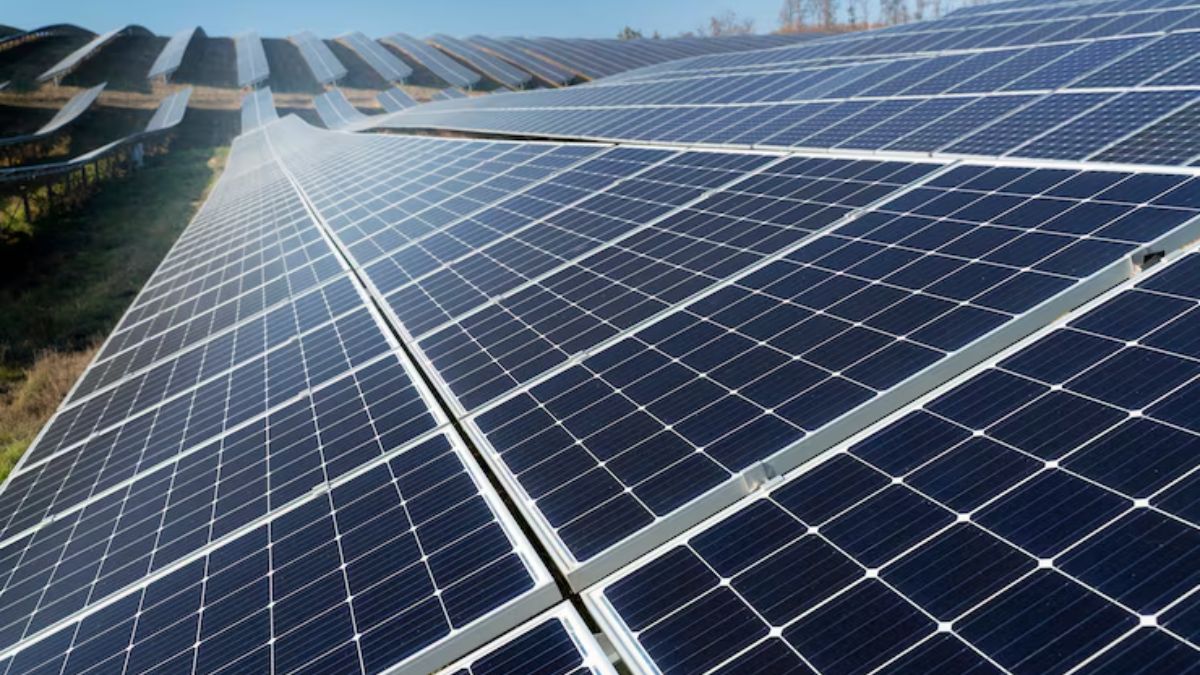
The government is planning to update the PM Surya Ghar scheme, which helps people install solar panels on their roofs.
Right now, the subsidies are based on how many panels you install.
The new plan will focus more on how much electricity the panels actually produce, how well they work over time, and whether they include battery storage.
This means people might get more support if their solar systems are more efficient and reliable.
The government will also look at ways to make solar energy more affordable and accessible, especially for lower-income households.
They will consider using AI to check the quality of the installations and ensure everything works as it should.
The goal is to make solar energy a better option for both consumers and the electricity grid.

The PM Surya Ghar scheme is being redesigned to link subsidies to actual electricity generation and battery storage.
Proposed changes include generation guarantees, AI-based quality checks, and differentiated financial assistance.
Consultations on batteries, hybrid inverters, equipment interoperability, DISCOM readiness, and regulatory changes are expected to take place over the next 20 days.
Consumer adoption is strong with a payback period of 5-6 years but may weaken if it exceeds 7 years.
Battery storage will be central to the redesigned scheme to manage daytime power exports and grid challenges.
- Who
- The Ministry of New and Renewable Energy (MNRE) and stakeholders in the solar energy sector.
- What
- Redesign of the PM Surya Ghar scheme to link subsidies to actual electricity generation and battery storage.
- When
- Policy paper expected within 10-15 days, followed by consultations over the next 20 days.
- Where
- India, focusing on residential rooftop solar installations.
- Why
- To deepen rooftop solar adoption, ensure long-term performance, and create a self-sustaining market.
Proponents of Performance-Based Subsidies
Supporters of Existing Subsidy Structure
Subsidy Structure
Proponents of Performance-Based Subsidies
Support a shift to performance-based subsidies linked to actual electricity generation, battery storage, and lifecycle maintenance.
Supporters of Existing Subsidy Structure
Prefer the current subsidy structure based on installed capacity to ensure widespread adoption.
Financial Assistance
Proponents of Performance-Based Subsidies
Advocate for differentiated financial assistance based on household income, location, and services provided to the grid.
Supporters of Existing Subsidy Structure
Favor uniform financial assistance to simplify the process and ensure equitable access.
Technology and Regulation
Proponents of Performance-Based Subsidies
Push for AI-based quality checks, generation guarantees, and mandatory service periods to ensure long-term performance.
Supporters of Existing Subsidy Structure
Argue that excessive regulation could deter participation and increase costs for consumers.
- Current Scheme
- Provides central financial assistance for residential rooftop solar installations based on installed capacity.
- Proposed Changes
- Link subsidies to actual electricity generation, battery storage, lifecycle maintenance, and service delivery.
- Expected Timeline
- Policy paper expected within 10-15 days, followed by consultations over the next 20 days.
- Key Focus Areas
- Batteries, hybrid inverters, equipment interoperability, DISCOM readiness, and regulatory changes.
- Consumer Adoption
- Strong with a payback period of 5-6 years, but may weaken if it exceeds 7 years.
- Battery Storage
- Central to the redesigned scheme to manage daytime power exports and grid challenges.
- Quality and Performance
- Shift from installation-centric to asset-performance model with generation guarantees and digital solar passports.