

Archive · 27 Jul 2026
US-Iran Deterrence Failure: A Crisis of Controlled Hostility
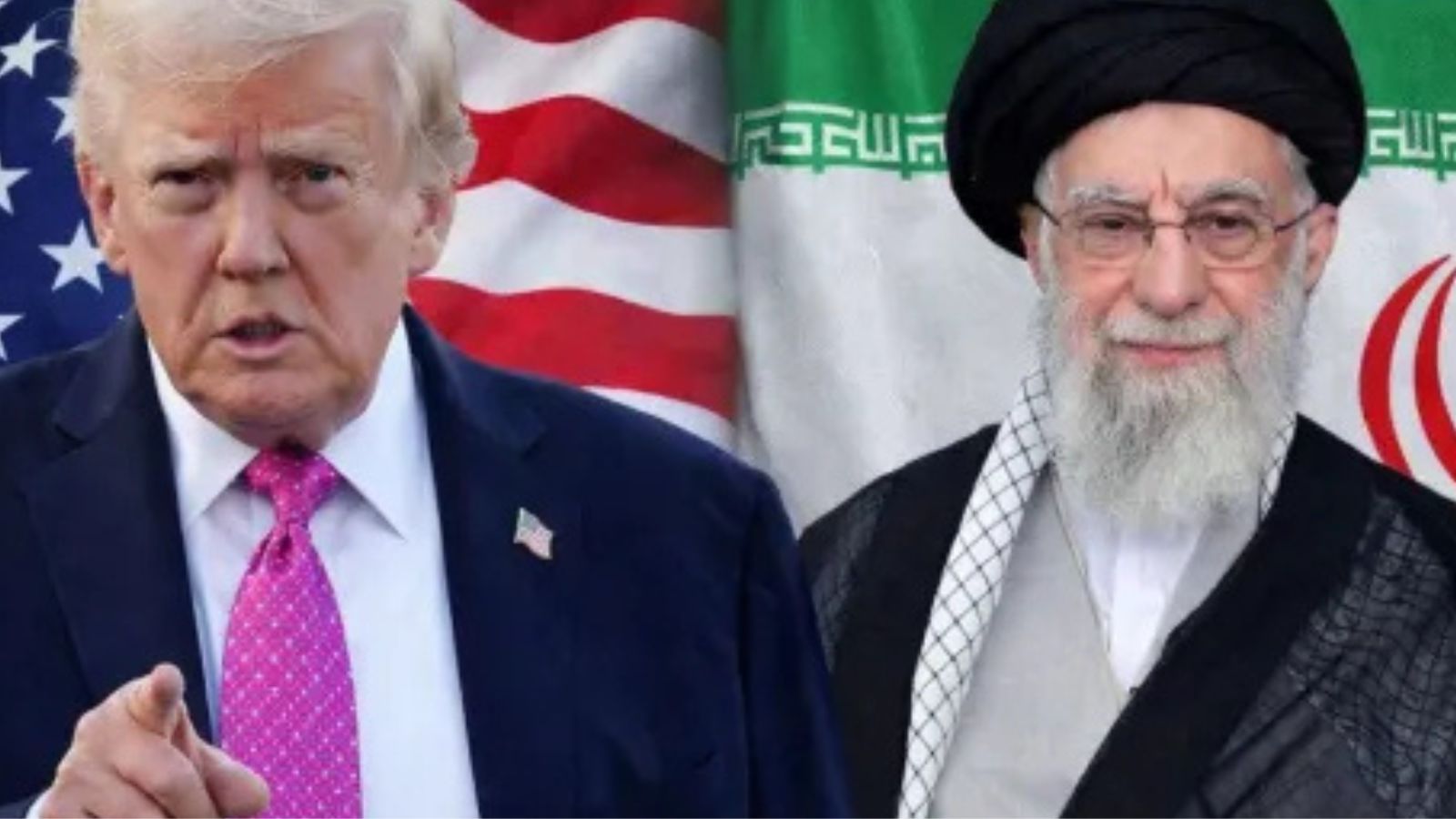
The United States and Iran have been rivals for a long time, but they have managed to avoid direct war through a system called deterrence.
This means each side knows the other will retaliate if attacked, so they avoid fighting.
However, this system is breaking down.
The US sees Iran's military buildup as a threat and wants to maintain its influence in the Middle East.
Iran, on the other hand, sees US actions as attempts to control and overthrow its government.
Both sides have different goals for the region, and new technologies are making it harder for the US to dominate.
This is leading to a crisis where the old rules of avoiding war are no longer working, and the risk of direct conflict is increasing.

US and Iran have a long history of rivalry but have avoided direct war through deterrence.
The US views Iran's military buildup and nuclear ambitions as threats to regional stability.
Iran sees US sanctions and military presence as attempts at containment and regime change.
Both sides have different visions for the Middle East, leading to a struggle for regional dominance.
The diffusion of military technologies is reducing the US's ability to dominate, contributing to the crisis of deterrence.
- Who
- United States and Iran
- What
- Failure of deterrence mechanisms leading to conflict
- When
- Ongoing, with recent escalations
- Where
- Middle East, particularly the Persian Gulf
- Why
- Competing visions for regional order and the diffusion of military technologies
US Perspective
Iranian Perspective
Regional Power Dynamics
US Perspective
The US sees Iran's military buildup and nuclear ambitions as threats to regional stability and its own influence.
Iranian Perspective
Iran views US sanctions, military presence, and alliances as attempts at containment and regime change.
Regional Order
US Perspective
The US aims to maintain a Middle East order based on American power, Israeli might, and ties with Arab autocrats.
Iranian Perspective
Iran seeks to create a region where American influence is neutralized, and political power is held by anti-US states and movements.
- Key Players
- United States, Iran
- Conflict Type
- Struggle for regional dominance
- Deterrence Mechanism
- Failure due to changing calculus of costs and credibility
- Technological Impact
- Diffusion of military technologies reducing Western dominance
- Strategic Goals
- US: Maintain regional order; Iran: Neutralize US influence