

Archive · 25 Jan 2026
Takeaway Coffee Cups Leak Microplastics
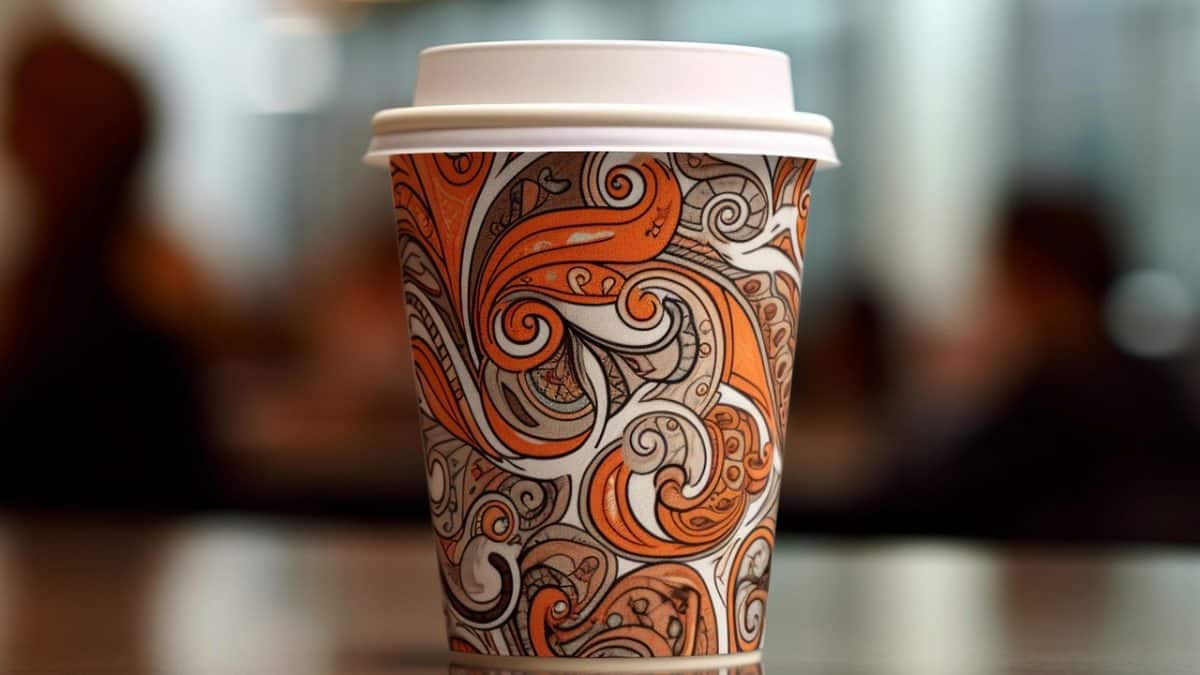
Drinking coffee from takeaway cups might be making you ingest tiny plastic pieces called microplastics.
A study found that hot coffee can cause these cups to release even more microplastics.
All-plastic cups release the most, while paper cups with plastic linings release fewer.
Over a year, drinking one hot coffee a day from an all-plastic cup could mean you ingest about 363,000 microplastic particles.
To stay safe, it's better to use cups made of stainless steel, ceramic, or glass.
If you must use a disposable cup, paper cups with plastic linings are a better choice.
Also, letting your coffee cool slightly before pouring can help reduce microplastic release.

Takeaway coffee cups release microplastics, with hot liquids increasing release by 33%.
All-plastic cups release more microplastics than paper cups with plastic linings.
Drinking one hot coffee a day from an all-plastic cup could result in ingesting 363,000 microplastic particles a year.
Microplastics are tiny plastic fragments found in the environment, food, water, and human bodies.
Using reusable cups made of stainless steel, ceramic, or glass can reduce microplastic exposure.
- Who
- Researchers and coffee drinkers
- What
- Microplastic release from takeaway coffee cups
- When
- Study published in the Journal of Hazardous Materials: Plastics
- Where
- Brisbane, Australia
- Why
- To understand the impact of microplastics from disposable coffee cups
- Microplastic particles per year
- 363,000 from all-plastic cups
- Temperature effect
- 33% increase in microplastic release with hot liquids
- Study location
- Brisbane, Australia
- Cup types studied
- All-plastic polyethylene cups and paper cups with polyethylene linings
- Microplastic size
- 1 to 5 millimetres
- Recommended alternatives
- Stainless steel, ceramic, or glass cups