

Archive · 30 Jul 2025
India's Cryogenic Triumph: How the US Ban Led to Space Autonomy
In the 1990s, the US tried to stop India from getting rocket engine technology, which is needed to get into high orbit.
This was to keep India from competing in space.
However, India decided to build its own engine, which took many years.
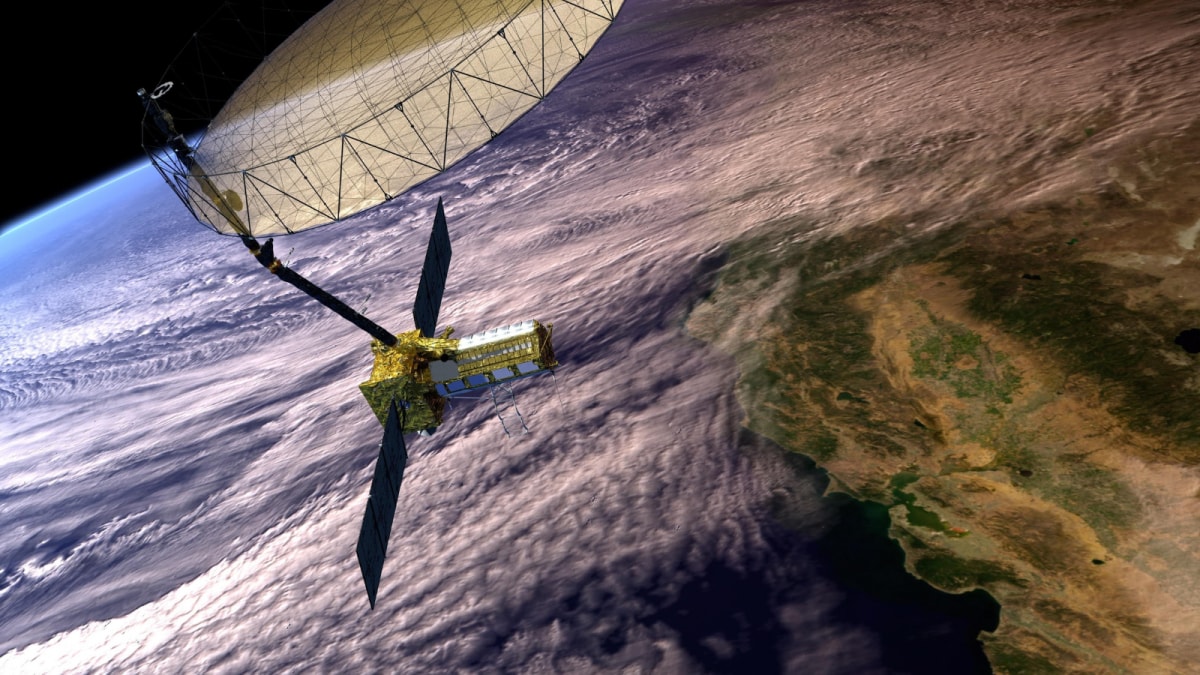
Now, India and the US are working together on a mission called NISAR, which will launch using India's engine.
This shows that India has become a major player in space technology and can now launch its own missions, and the US can no longer control its access to space.

India's cryogenic technology development was initially blocked by the US in the 1990s.
The US imposed restrictions due to the Missile Technology Control Regime (MTCR).
India developed its own cryogenic engine, the CE-7.5, after the initial denial.
The NASA-ISRO Synthetic Aperture Radar (NISAR) mission will launch using an Indian cryogenic engine.
The launch represents India's transition to a respected space partner, not a junior one.
- Who
- The mission involves NASA, ISRO (India's space agency), and India.
- What
- The launch of the NASA-ISRO Synthetic Aperture Radar (NISAR) satellite aboard a GSLV Mk II rocket.
- When
- The articles do not specify the exact launch date but state the launch is upcoming.
- Where
- The location of the launch is not specified in the articles.
- Why
- The US tried to limit India's access to space technology in the 1990s, but this effort led to India's development of its own technology.
US Perspective
India's Perspective
Control vs. Self-Reliance
US Perspective
The US sought to control access to space technology, especially cryogenics.
India's Perspective
India developed its own technology, overcoming restrictions.
- Mission
- NASA-ISRO Synthetic Aperture Radar (NISAR)
- Rocket
- GSLV Mk II
- Engine Type
- Cryogenic
- Technology Denial
- US blocked cryogenic technology transfer in the 1990s.
- Indian Engine
- CE-7.5
- Primary Objective
- Map Earth's ecosystems and monitor climate change