

Archive · 24 Jul 2025
China’s Mega-Dam in Tibet: Concerns for South Asia
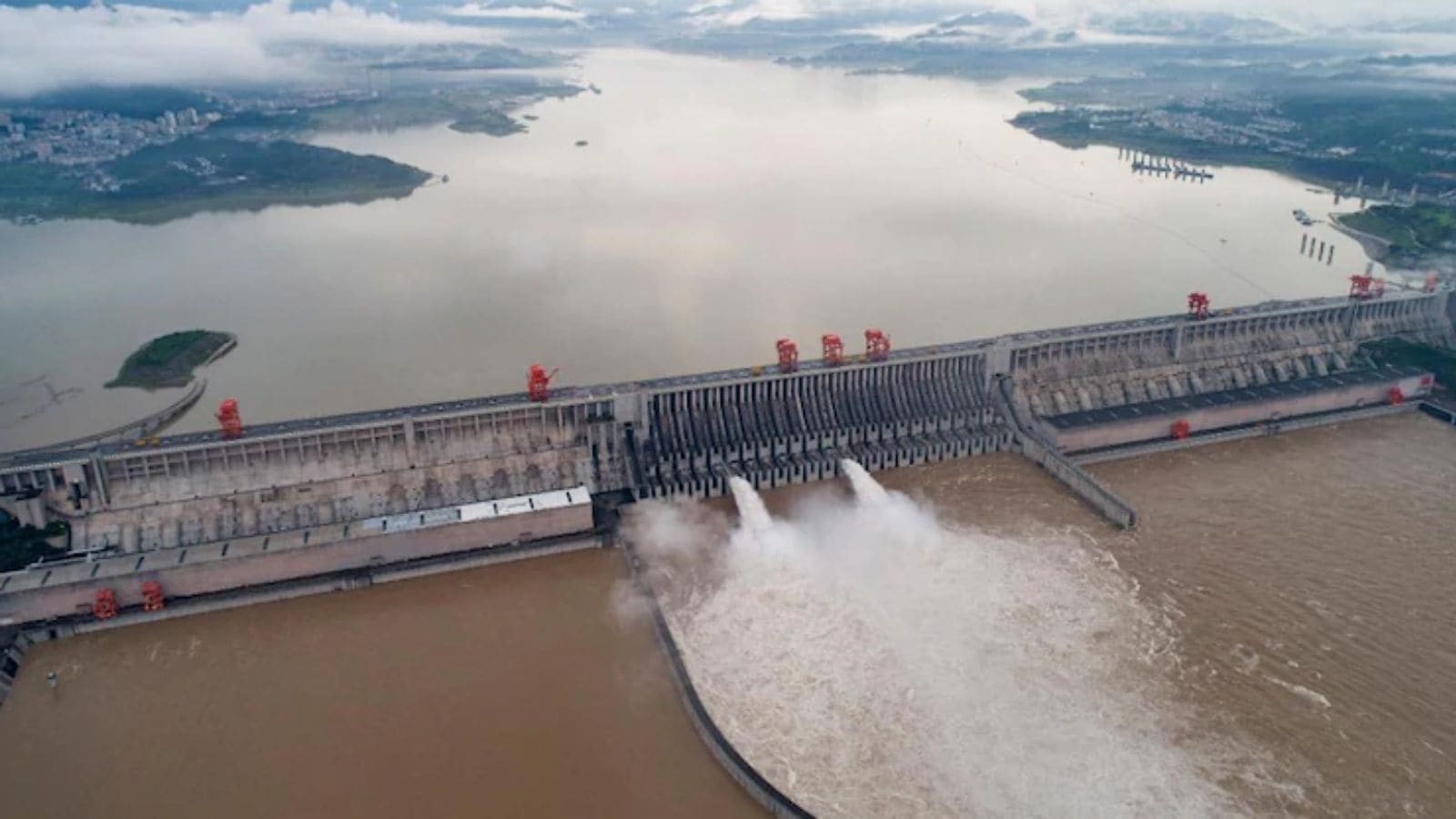
China is building a massive dam in Tibet on a river that flows into India and Bangladesh.
This dam will be the biggest in the world, generating a lot of clean electricity.
China says this will help them use less coal and boost the economy.
However, countries downstream of the river are worried.
They fear the dam could cause environmental problems or disrupt their water supply.
China claims the dam will actually help with flood control and promises to talk with other countries about the river's management.

China is constructing the Yarlung Tsangpo Hydropower Project in Tibet.
The $167 billion mega-dam will be the world's largest, generating 60 gigawatts.
The project is located at the "Great Bend" of the Yarlung Tsangpo River, known as Brahmaputra in India.
China says it will boost clean power and economic growth, aiming for carbon neutrality by 2060.
Downstream nations, like India and Bangladesh, express concerns about environmental and economic impact.
- Who
- China is building the dam, and it will impact downstream countries like India and Bangladesh.
- What
- China is constructing the Yarlung Tsangpo Hydropower Project, a mega-dam.
- When
- Construction was announced on July 19 by Chinese Premier Li Qiang.
- Where
- The project is in Medog County, Tibet, at the "Great Bend" of the Yarlung Tsangpo River.
- Why
- China aims to become carbon neutral by 2060, boost clean energy, and stimulate economic development.
China's View
India and Bangladesh's View
Impact on Downstream Nations
China's View
The dam will generate clean energy and help with flood control.
India and Bangladesh's View
The dam could cause environmental and economic damage to downstream nations.
- Project Name
- Yarlung Tsangpo Hydropower Project
- Location
- Medog County, Tibet
- River
- Yarlung Tsangpo (Brahmaputra)
- Cost
- $167 billion
- Capacity
- 60 gigawatts
- Annual Output
- 300 billion kilowatt-hours
- Downstream Concerns
- India and Bangladesh