Archive · 25 Sep 2026
Kedarnath Waste Surges as Pilgrim Numbers Strain Himalayan Management
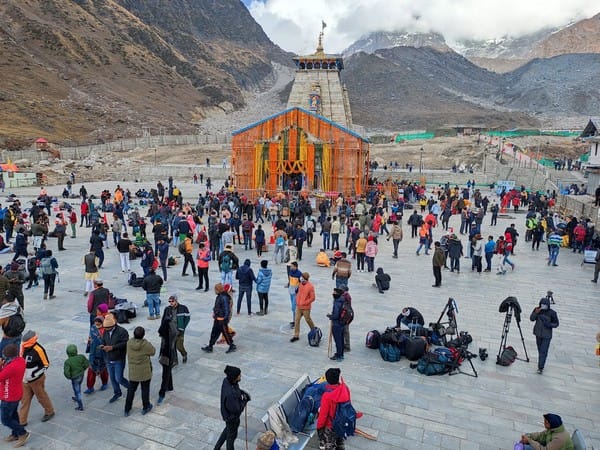
Kedarnath produced 50.30 tonnes of waste in only five months of 2026.
This was more than the total produced during any full pilgrimage season from 2023 to 2025.
The busiest waste month was May.
About 20 tonnes of the waste was plastic, and officials said most of it had been processed.
Waste is separated into plastic, organic material and animal waste.
Some waste is processed near Sonprayag, while organic waste is transported about 70 kilometres to Raintoli.
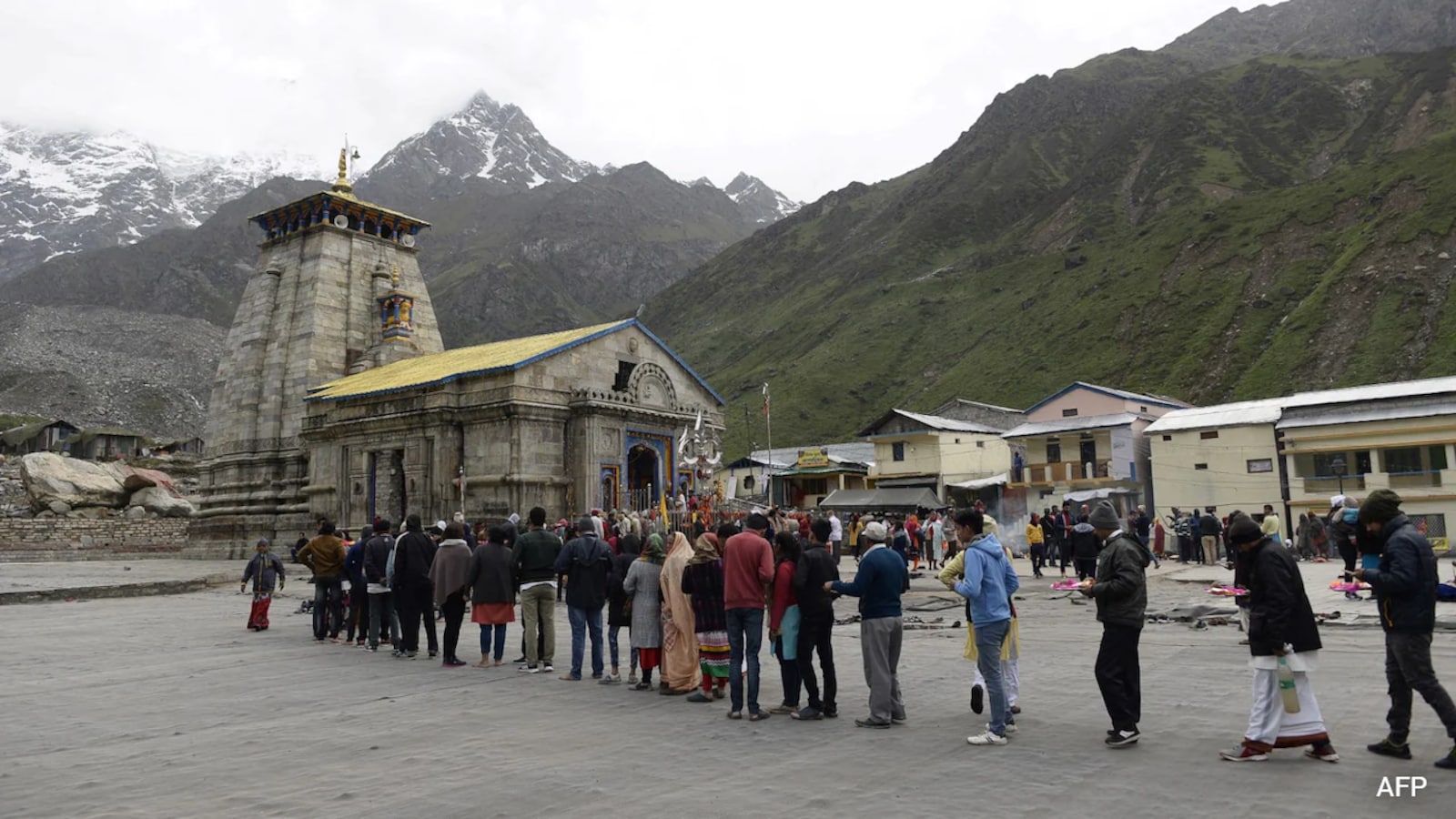
More than 15 lakh pilgrims had visited the shrine in 2026.
Large crowds make it harder to collect waste, manage sewage and keep people safe on the narrow mountain route.
Environmentalists warn that poorly handled plastic could harm snow, glaciers, water sources and the wider Himalayan ecosystem.

Kedarnath generated 50.30 metric tonnes of waste from April through August 2026, exceeding each full-season total from 2023 to 2025.
Monthly waste rose from 1.7 tonnes in April to 16.3 tonnes in May, then remained above 10 tonnes through August.
About 20 tonnes of plastic waste were generated, with 18.5 tonnes, or 92.5%, reportedly processed.
More than 15 lakh pilgrims visited Kedarnath in 2026, while peak-day crowds reportedly reached 30,000 to 38,000 despite a daily registration cap of 13,000 to 15,000.
Waste is segregated and transported for processing, but difficult Himalayan terrain, landfill reliance, sewage concerns and rising visitation continue to challenge management.
- Who
- The Kedarnath Nagar Panchayat provided the waste figures in response to an RTI query by activist Amit Gupta; environmental concerns were also raised by Chandan Nayal and other environmentalists.
- What
- Kedarnath generated 50.30 metric tonnes of waste between April and August 2026, including approximately 20 tonnes of plastic.
- When
- The waste figures cover April through August 2026; the pilgrimage began on April 22 and the temple doors are scheduled to close on November 11.
- Where
- Kedarnath Dham, on the Himalayan pilgrimage route in Uttarakhand, India.
- Why
- Waste has risen alongside large pilgrim numbers, while difficult terrain, limited access, narrow routes and ecological sensitivity make collection, transport and treatment difficult.
Civic waste-management measures
Environmental and capacity concerns
Current waste handling
Civic waste-management measures
The Nagar Panchayat says waste is segregated into plastic, organic and animal waste, 18.5 tonnes of plastic has been processed, and four landfills have been built over five years.
Environmental and capacity concerns
Critics say the rapid increase in waste and continued reliance on landfills could place significant pressure on the fragile Himalayan environment.
Visitor management
Civic waste-management measures
The administration has imposed a daily registration cap of around 13,000 to 15,000 pilgrims to manage the narrow trekking route.
Environmental and capacity concerns
Peak-day crowds reportedly reach 30,000 to 38,000, contributing to congestion, safety concerns and damaged barricades.
Plastic and infrastructure risks
Civic waste-management measures
Officials report that most of the plastic waste identified in 2026 had already been processed, and landfill capacity remains according to the Nagar Panchayat's figures.
Environmental and capacity concerns
Environmentalists warn that improperly disposed plastic and microplastics could darken snow, accelerate melting and enter freshwater systems; critics have also questioned whether sewage infrastructure can handle the floating population.
- Waste generated in 2026
- 50.30 metric tonnes from April through August
- Previous waste totals
- 32.58 tonnes in 2023, 26.10 tonnes in 2024 and 21.40 tonnes in 2025
- Peak monthly waste
- 16.3 metric tonnes in May 2026
- Plastic waste
- Approximately 20 tonnes generated; 18.5 tonnes processed and about 1.5 tonnes remaining
- Waste-processing routes
- Plastic and animal dung are processed near Sonprayag; organic waste is transported nearly 70 kilometres to Raintoli
- Pilgrim numbers
- More than 15 lakh visitors had arrived in 2026
- Landfill capacity
- The Nagar Panchayat reported 30,000 square feet of capacity, with 28,000 square feet remaining after four landfills were constructed
- Registration limit
- Approximately 13,000 to 15,000 pilgrims per day